
Are Steroids Bad For You?
Steroids in Sports: Performance Enhancement or Cheating?

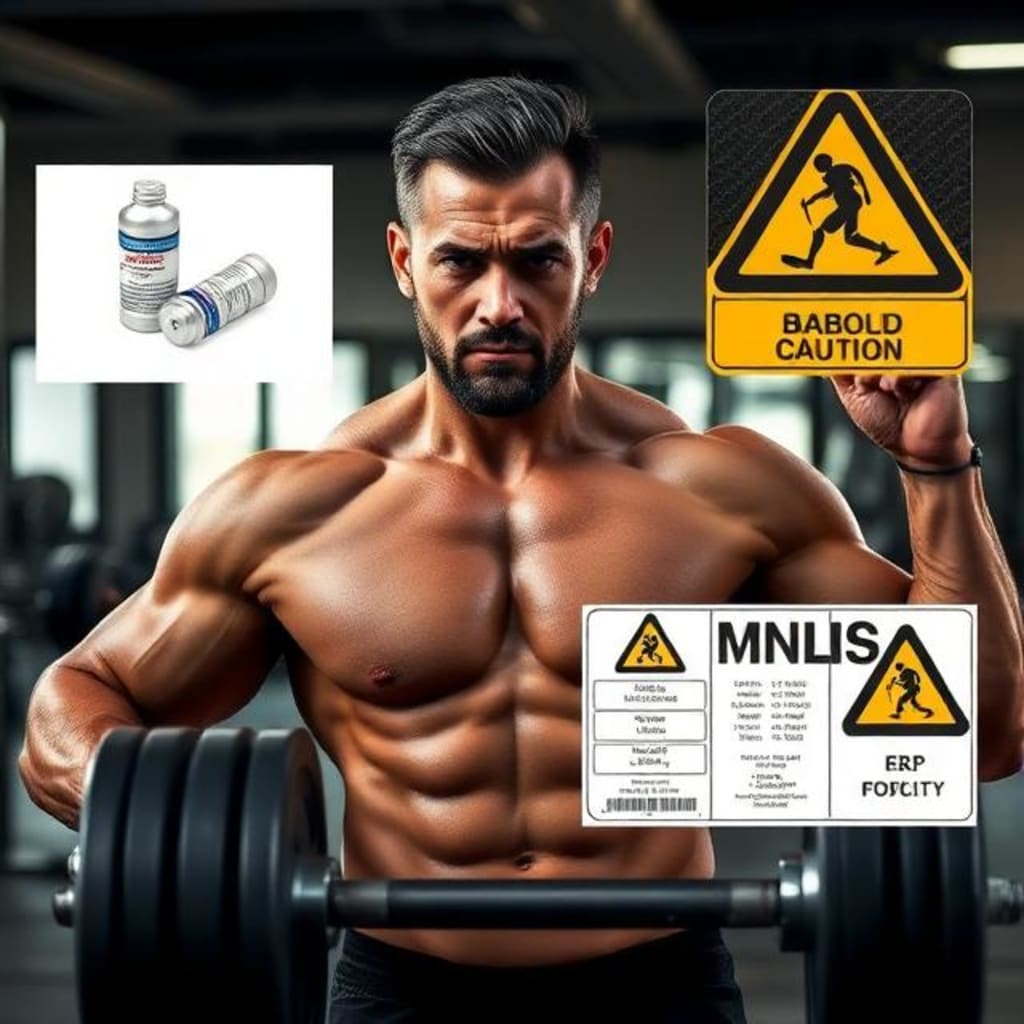
Are Steroids Bad For You?
Steroids have long been a subject of controversy, especially in sports, bodybuilding, and medical fields. They are synthetic substances designed to mimic the effects of testosterone, the primary male sex hormone responsible for muscle growth, strength, and secondary sexual characteristics. While steroids can offer legitimate medical benefits, their misuse and abuse carry significant health risks. Understanding both sides—medical uses and potential dangers—is crucial to grasping whether steroids are truly "bad" for you.
What Are Steroids?Steroids are a broad class of organic compounds with a specific four-ring molecular structure. The term "steroids" often refers to anabolic-androgenic steroids (AAS), which are synthetic derivatives of testosterone. These compounds promote the development of male characteristics and muscle tissue. Medical steroids, like corticosteroids, are used to reduce inflammation and treat various conditions, including asthma, arthritis, and autoimmune diseases. However, when people refer to steroids in sports or bodybuilding contexts, they usually mean anabolic steroids meant to increase muscle mass and strength.
The Medical Uses of SteroidsSteroids have been invaluable in medicine for decades. Anabolic steroids prescribed by doctors can help patients with muscle wasting diseases, delayed puberty, hormone deficiencies, or recovery from severe illness or injury. In these contexts, steroids are used under strict medical supervision, with dosages carefully calibrated to minimize risks. When used appropriately, steroids can improve quality of life and health outcomes. However, the problem arises when individuals seek to enhance their physique or athletic performance through unsupervised or illicit use.
Why Do People Use Steroids?The primary reasons for steroid misuse include:
Enhancing athletic performance: Athletes and bodybuilders use steroids to increase strength, endurance, and muscle mass.
Improving physical appearance: Many individuals seek a more muscular or toned physique.
Peer pressure and societal influence: Media portrayals of ideal bodies can motivate misuse.
Shortcuts to success: Steroids can produce rapid gains, tempting users who want quick results.
While these motives may seem appealing, especially in competitive environments, they ignore the significant health risks involved.
The Risks and Side Effects of Steroid UseMisusing steroids, especially without medical supervision, can have serious short-term and long-term health consequences. These risks vary depending on dosage, duration, individual health, and whether other substances are involved.
Short-Term Side Effects
Acne and skin issues: Increased oil production leads to frequent breakouts.
Aggressive behavior and mood swings: Known as "roid rage," users may experience irritability and violent mood changes.
Sleep disturbances: Insomnia and restlessness are common.
Gynecomastia: Development of breast tissue in males due to hormonal imbalance.
Elevated blood pressure: Increased risk of cardiovascular problems.
Liver toxicity: Oral steroids can cause liver damage or tumors.
Long-Term Health Risks
Cardiovascular disease: Steroids can cause high blood pressure, abnormal cholesterol levels, and increase the risk of heart attacks and strokes.
Liver damage: Including cysts, tumors, and liver failure.
Hormonal imbalances: Suppression of natural testosterone production, leading to testicular shrinkage, infertility, and decreased libido.
Psychological effects: Depression, anxiety, and dependence.
Musculoskeletal issues: Premature closure of growth plates in adolescents, leading to stunted growth.
Increased risk of infections: Sharing needles or unsterile injection practices can transmit HIV, hepatitis B and C, and other infections.
The Psychological Impact of SteroidsOne of the less discussed but equally significant dangers is the psychological effect. Steroid abuse can lead to aggressive behavior, irritability, paranoia, and even psychosis. Dependence can develop, where users feel unable to stop despite adverse health effects. This psychological dependence is often driven by body image issues or the desire to maintain performance gains.
Steroids in Sports: Performance Enhancement or Cheating?The use of anabolic steroids to improve athletic performance has been a contentious issue for decades. While steroids can increase muscle strength and recovery speed, they also violate the principles of fair play. Most sports organizations ban steroid use, conducting drug testing to deter athletes from using performance-enhancing drugs (PEDs). Athletes caught using steroids face suspensions, disqualification, and damage to their reputation.
Beyond ethics, steroid use can pose serious health risks, especially when taken in high doses or combined with other substances. The pressure to succeed and win medals sometimes drives athletes to the dangerous practice of doping, risking their health for short-term gains.
Legal Status and RegulationsIn many countries, anabolic steroids are classified as controlled substances, meaning they are illegal to buy, sell, or use without a prescription. Possessing or distributing steroids illegally can lead to hefty fines and imprisonment. Physicians may prescribe steroids for legitimate medical reasons, but misuse outside of medical supervision is criminal and dangerous.
The Dangers of Illicit Steroid UseIllegal steroids are often manufactured in unregulated laboratories, which can produce contaminated or impure products. Such products increase the risk of infections, overdose, and adverse reactions. Additionally, users often take doses much higher than medically recommended, amplifying health risks.
Are There Safe Ways to Use Steroids?Medical professionals advocate the cautious and supervised use of steroids when indicated for health reasons. For athletes and bodybuilders, there are safer alternatives:
Proper training and nutrition: A balanced diet and consistent workout routines are fundamental.
Legal supplements: Creatine, protein powders, and other legal supplements can support muscle growth.
Natural methods: Focusing on rest, recovery, and gradual progress.
Consultation with healthcare professionals: Before considering any performance-enhancing substances.
The Importance of Education and AwarenessPublic awareness campaigns about the dangers of steroid abuse are vital. Educating young athletes, coaches, and trainers can prevent misuse. Schools and sports organizations should promote clean sport ethics and discourage doping. Medical professionals must also be vigilant in identifying signs of steroid misuse and providing appropriate counseling.
Conclusion: Are Steroids Bad For You?The answer depends on the context. When used responsibly under medical supervision for legitimate health conditions, steroids can be beneficial and life-changing. However, the widespread misuse and abuse of anabolic steroids for performance enhancement or aesthetic purposes carry severe health risks. They can cause irreversible physical and psychological damage, and in extreme cases, lead to death.
The potential dangers far outweigh the short-term benefits for those who misuse steroids. The best approach is to prioritize natural training, proper nutrition, and healthful habits. If steroids are necessary for medical reasons, they should always be used under strict medical supervision. Ultimately, awareness, education, and responsible choices are key to avoiding the perilous pitfalls associated with steroid abuse. Remember, no shortcut is worth risking your health and future.
About the Creator
Enjoyed the story? Support the Creator.
Subscribe for free to receive all their stories in your feed.
Comments
There are no comments for this story
Be the first to respond and start the conversation.