
A novel medication has demonstrated remarkable efficacy in combating one of the most deadly types of cancer.
A novel medication for pancreatic cancer

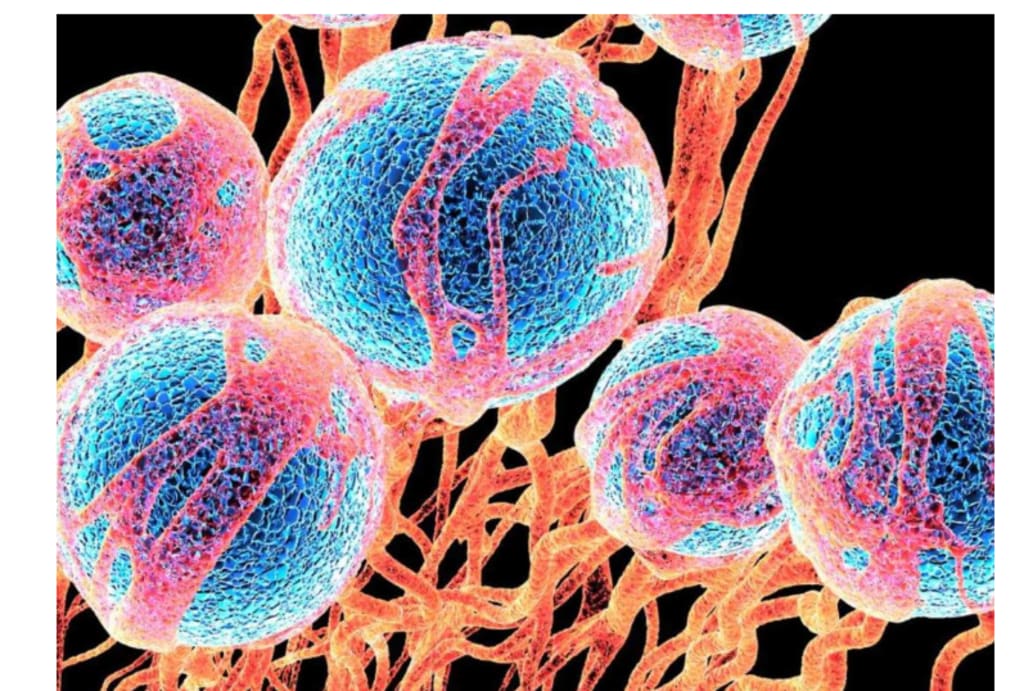
Precision medications, which target the precise genetic defect causing a tumour, have made more tumours curable in the last ten years. As the disease progressed, pancreatic cancer continued to be neglected and relied on treatment.
The distance is beginning to narrow. A single daily medication designed to block the defective growth signal responsible for the majority of malignant tumours was proven to help patients live significantly longer than chemotherapy in a large international trial.
An unrelenting illness
Few cancers are as merciless. According to one review of long-term survival data, the percentage of patients still alive five years after diagnosis remained pitifully low despite recent improvements, and the odds continue to decline as the cancer progresses.
The current study results garnered notice because of the sobering maths. After years of witnessing the disease's resistance to therapy, Dr. Zev Wainberg, a medical professor at the University of California, Los Angeles (UCLA), assisted in spearheading the effort.
"We've made incremental gains in treating pancreatic cancer for years," Wainberg remarked, referring to a field accustomed to tiny rather than significant advancements. The progress made by his team had been gradual and difficult to achieve.
The most difficult target
One hyperactive gene is responsible for a large portion of the disease's severity. Over 90% of pancreatic A gene known as KRAS remains in the on state, directing cells to continue proliferating.
Nobody could stop it even if they knew who was responsible. According to one assessment of the area, scientists viewed the protein as undruggable for decades since its surface was too smooth for conventional medications to cling to.
The structure of the protein, not a knowledge gap, was what impeded advancement. By attaching itself to the protein while it is activated, the more recent method avoids that. Not by making a pocket open that didn't exist.
A novel medication for pancreatic cancer
Daraconrasib, a medication taken as a tablet once daily, is at the heart of the trial. Instead of harming rapidly proliferating cells as chemotherapy does, It is a type of targeted therapy that directly targets the excessive growth signal.
Previous targeted medications could only bind to a single mutation. One medicine, one target. According to one paper, the abnormality only manifests at a few locations on the gene, leaving the majority of patients with nothing. This medication affects multiple people simultaneously.
The benefit is breadth. Since the medication is designed to inhibit the RAS protein, which is a member of the larger family to which the KRAS defect belongs, it can treat people whose tumours have multiple variants of the defect rather than just one specific subset.
Within the trial
Researchers conducted a sizable, controlled trial to see if the strategy held up. There were about 500 participants with advanced pancreatic cancer. They had all already completed one treatment cycle that was no longer effective.
Patients were randomly divided into two groups. At dozens of facilities across six nations, about half received the daily medication, while the remaining patients received the chemotherapy prescribed by their physicians. a real-world mixture rather than a little portion.
Nearly every volunteer had the most prevalent variant of the defective gene. This allowed the scientists to evaluate the medication head-to-head with the current standard of therapy against the mutations that predominate in pancreatic cancer.
Increasing survival time by double
The results were difficult for a field used to tiny steps. Compared to patients receiving chemotherapy, those using the tablet lived almost twice as long—typically 13 months as opposed to less than 7 months.
The same was true for the risk of mortality, which decreased by almost 60% over the trial. Prior to this study, no one had demonstrated that a medication targeting this type of mutation might significantly increase pancreatic cancer survival.
The cancer in the chemotherapy group usually began to grow again within four months prior to the pill. That stable period nearly increased to around seven months with daraxonrasib. months that families become aware of.
A more considerate approach
It wasn't just survival that needed to be improved. In fact, the new medication caused tumours to shrink more frequently—roughly one in nine individuals had their disease retreat, compared to nearly a third of those receiving chemotherapy.
In general, those who took it felt better. as well. Patients on the daily tablet maintained their daily quality of life longer than those receiving chemotherapy, and pain increased more gradually.
There were issues with the medication. Its own adverse effects, such as redness, nausea, and mouth sores, required close observation. However, overall, such issues were less severe than what chemotherapy usually causes.
Daraxonrasib's next steps
For the first time, a medication has demonstrated that targeting this infamous mutation directly can prolong the life of patients with advanced pancreatic cancer. This fact challenges a long-held belief about which malignancies can be treated with medication.
From this point on, concrete changes. If authorities approve the medication, physicians may prescribe a once-daily pill to patients who have it and it is now possible to test the same tactic earlier, before the cancer spreads.
The diagnosis of pancreatic cancer is still terrifying. Decades of difficult odds cannot be overcome by a single trial. However, the illness that was previously thought to be invincible has just revealed a glaring vulnerability, and scientists now have a means of taking advantage of it.
About the Creator
Enjoyed the story? Support the Creator.
Subscribe for free to receive all their stories in your feed.
Comments
There are no comments for this story
Be the first to respond and start the conversation.