
I'm Still Learning About Systemic Effects
For Judey Kalchik's "Race Card" Challenge


I'm still learning about the effects of systemic racism.
One of the mistakes I, like many white Americans, have made is believing we've come close to solving the embarrassing racial problems that have been plaguing our country since its inception. The mistake comes not from believing that many (though nowhere near all) Americans no longer discriminate on the basis of skin color, but in failing to understand the myriad of complicated issues arising from ever present layers of discrimination throughout our history.
To put it simpler, I thought once we stopped hating black people, all the problems that affected black people would be resolved. It sounds logical, doesn't it? After all, how can I, a person who loves a black man and thinks of him as a brother, be mixed up with any sort of racism? How could any decent human being?
I'm reminded of being introduced to rap music when I was twelve. Before then, I had only listened to gospel, pop, and some R&B. A kid who lived next door to me had a Sony Walkman (remember those?) and was bobbing his head to something good, I could tell. When I asked him what he was listening to, he jammed his headset over my head, and I was listening to "Bone Thugs N Harmony" for the first time. After that, rap music became my favorite music genre. For years.
After the initial joy came the first shock: Someone in the song said the "N" word. I didn't know, and thus didn't hear, there was a difference between "uh", and "er", all I heard was this offensive word. I pulled the headphones off and stared at my neighbor, who was black, aghast. How could he listen to something like that? He explained the difference while chuckling at my ignorance. I was still a little weirded out though. I remember thinking I could listen, but I'd be better off not rapping along.
Less than three years later, I was greeting black friends with that word.
Perhaps if I'd lived in a different neighborhood, I'd have received a well deserved slap to the head (or worse), but I didn't. The first time it slipped from my mouth, I was rapping along with Snoop, listening to, "Murdah was the case", a classic. Anyway I wasn't thinking, it came out, and I remember looking at the black friend I was with, sure that I was going to get a mouth full of fist, but he never flinched, he just rapped along with me.
At fifteen, I met Brian, one of my closest and dearest friends. By this time, I was rapping without fear, and had begun greeting black friends with a high five and the word. Brian and I were like brothers almost from the start. We worked at the same job, went to the same school, played basketball together, played video games with each other, liked the same movies and music, and yes, rapped together too.
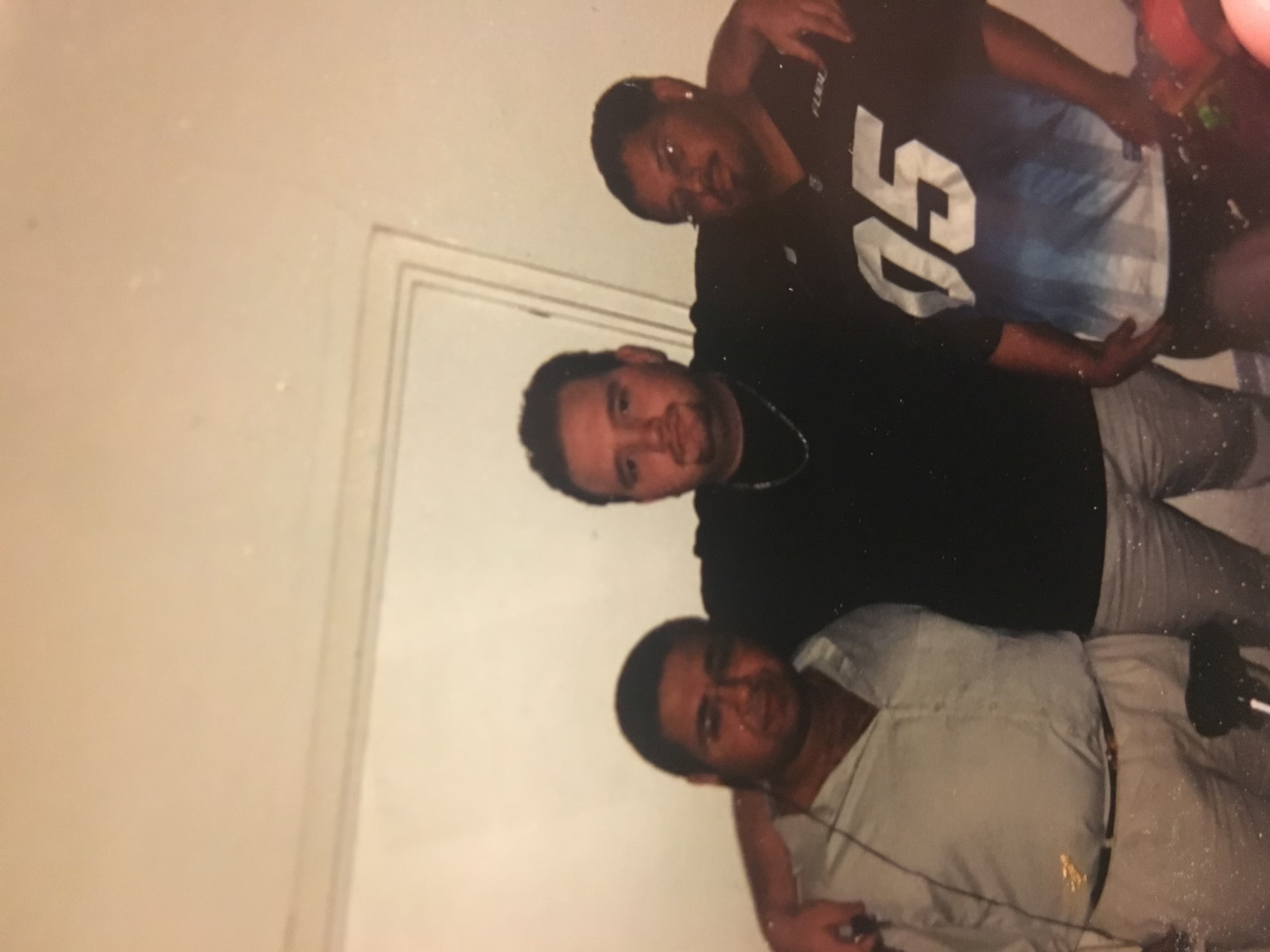
The only difference? Brian never said the 'N' word. Ever.
But he's black, I thought, thoroughly confused. He would rap the lyrics until it got to that word, and then he would either skip the word or replace it with something else, like brother or something else. I became uncomfortable saying it around him and others. But being the ignoramus that I was, it took me another five years before I understood why he didn't say it, and to stop saying it at all, even if I was alone in the car.
Right around twenty years old, I first heard the term, "systemic racism", from a documentary I was watching during Black History Month. I was immediately curious. What exactly is meant by that and why is it so important? At the time, google wasn't a thing, or if it was, I hadn't yet heard of it. I still used Yahoo to search for things, and even though the search results weren't great, I was determined to learn more.
The results I found shocked me to my core. This, despite the fact that I had been listeing to rap music for over six years. I was familiar with the songs that degraded and threatened police officers, that complained about injustices and what it was like being in the "system", but until I'd decided to look into it, I never really understood. Then all these statistics started crashing into my brain, and I realized that my brother's life was different than mine in a way I would never truly be able to understand. Sympathize, even empathize with, yes, but understand? No.
Suddenly, I realized there was a good reason Brian seemed so nervous if we were pulled over. It didn't matter who was driving. If we were pulled over, he was nervous. And that was only scratching the surface. There was so much I didn't know, so much that I took for granted every single day. I began reading about job and salary disparities, the realities of our prison system, conviction rates and length of sentencing, even housing and land ownership. I learned about redlining and other discriminatory lending practices.
I could go on, but there is too much to list in such a small bit of reading. The main thing I want to get across, is I began to understand the profound impact these things would have on black communities. These aren't issues that only affect a single generation. They affect black people today. It doesn't matter that redlining is illegal now, the damage has been done and it's lasting damage.
The most important thing I came to understand was this: Good people, decent people, men and women like me, contribute to these issues in some way, shape or form. I asked myself: Do I think cops are bad? Do I think the majority of bosses, coworkers, bank lenders, judges, lawyers and prosecuters are inherently racist? I don't. Then do I believe the majority of black people are somehow doing something to deserve this kind of treatment? Also no. So what gives?
The answer isn't simple, but it's there. It's hidden in our language, our movies, our music and entertainment. The way we dress, the way we speak, how we raise our children. It's ingrained in us from birth. Have you ever asked yourself why purity is associated with the color white? "Let Jesus cleanse your heart, and make it white as snow". Why, in almost every horror movie, do the most terrible things happen in the dark? Have you compared news headlines when they talk about black suspects versus whites? What about things we value as a society? Why do those things tend to lean more toward white values than black?
I'm not a genius, and I don't pretend to know all the answers. But I think they're worth discussing with an open mind and an open heart. I don't use the 'N' word because it's the one thing black people don't want me to say, and until we've fixed the systemic problems in this country, I think black people have a right to demand I don't say it.
Fixing it seems like a daunting task. Especially when I still don't know all the problems systemic racism has caused. But I am listening, and I am learning.
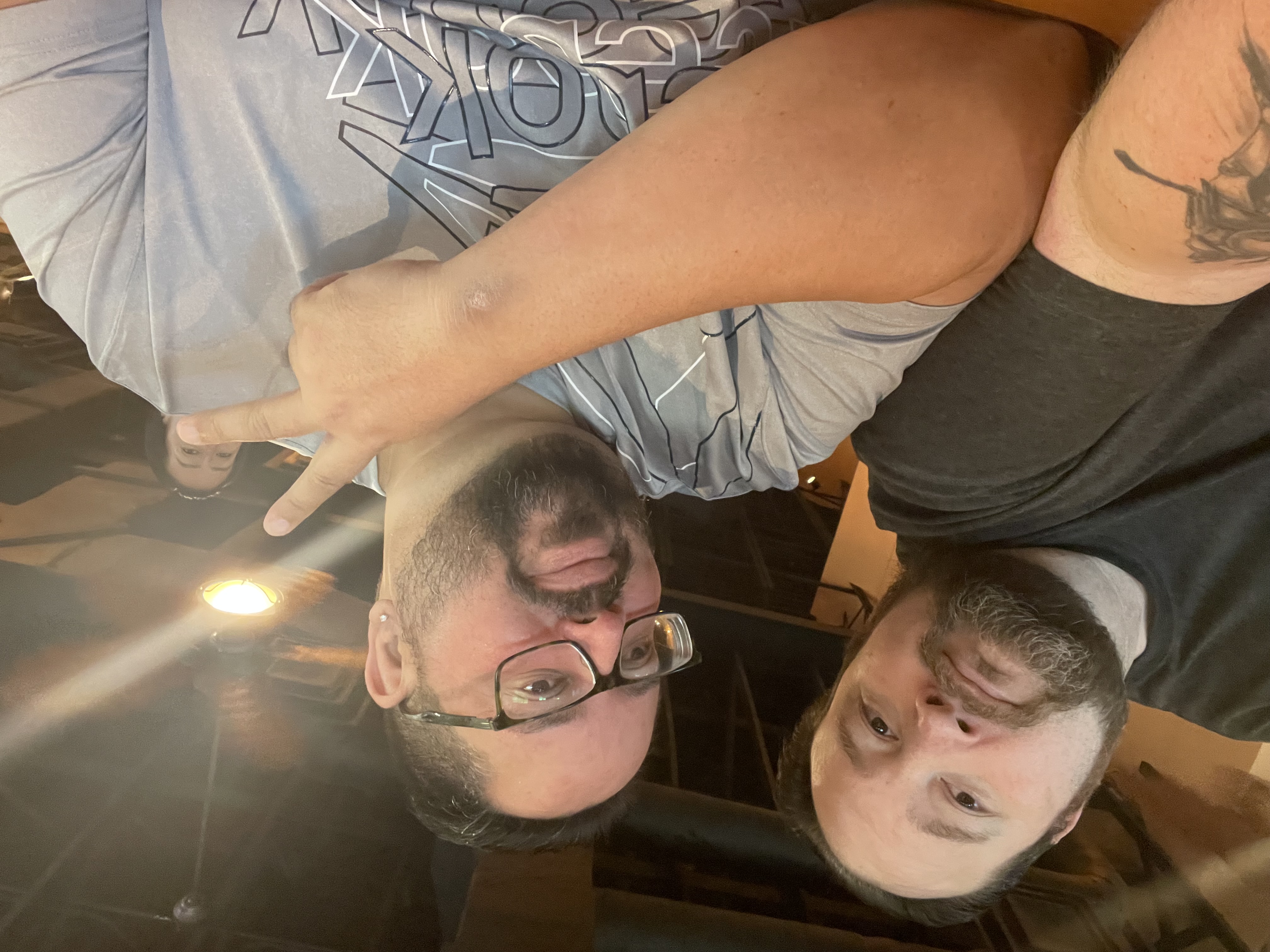
A/N: This autobiographic was written for Judey Kalchik's, "Race Card" Challenge. To learn more about this wonderful idea, please visit the link below:
https://vocal.media/history/join-the-hidden-conversation
About the Creator
Kenny Penn
Award-winning author of dark fantasy and horror. My supernatural thriller, Mississippi Wizards, releases on August 11.
More at: www.kennypenn.com
Subscribe to my Substack! https://www.substack.kennypenn.com
Enjoyed the story? Support the Creator.
Subscribe for free to receive all their stories in your feed. You could also become a paid subscriber, letting them know you appreciate their work.
Comments
There are no comments for this story
Be the first to respond and start the conversation.