
The New World Order
History, Conspiracy Theories, and the Fear of Global Control

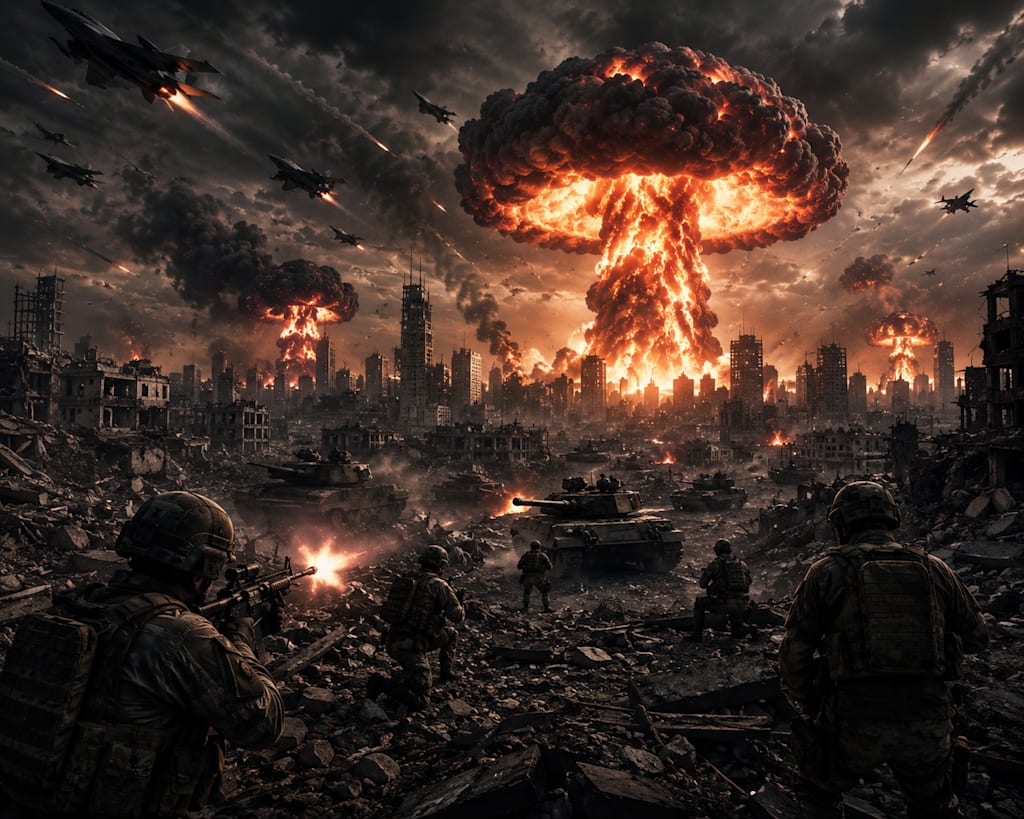
The New World Order
The term “New World Order” (NWO) has become one of the most controversial and widely discussed ideas in modern politics and conspiracy theories. Some people believe it simply refers to changes in global politics and international cooperation, while others claim it represents a secret plan by powerful elites to establish a one-world government. Over the decades, the phrase has appeared in political speeches, historical documents, conspiracy books, and popular culture, creating fear, debate, and fascination around the world.
The phrase “New World Order” existed long before modern conspiracy theories. During the 20th century, leaders such as Woodrow Wilson and Winston Churchill used the term to describe a new era of international cooperation after major wars. After World War I and World War II, global leaders wanted to prevent future conflicts by creating organizations that encouraged peace and diplomacy between nations.
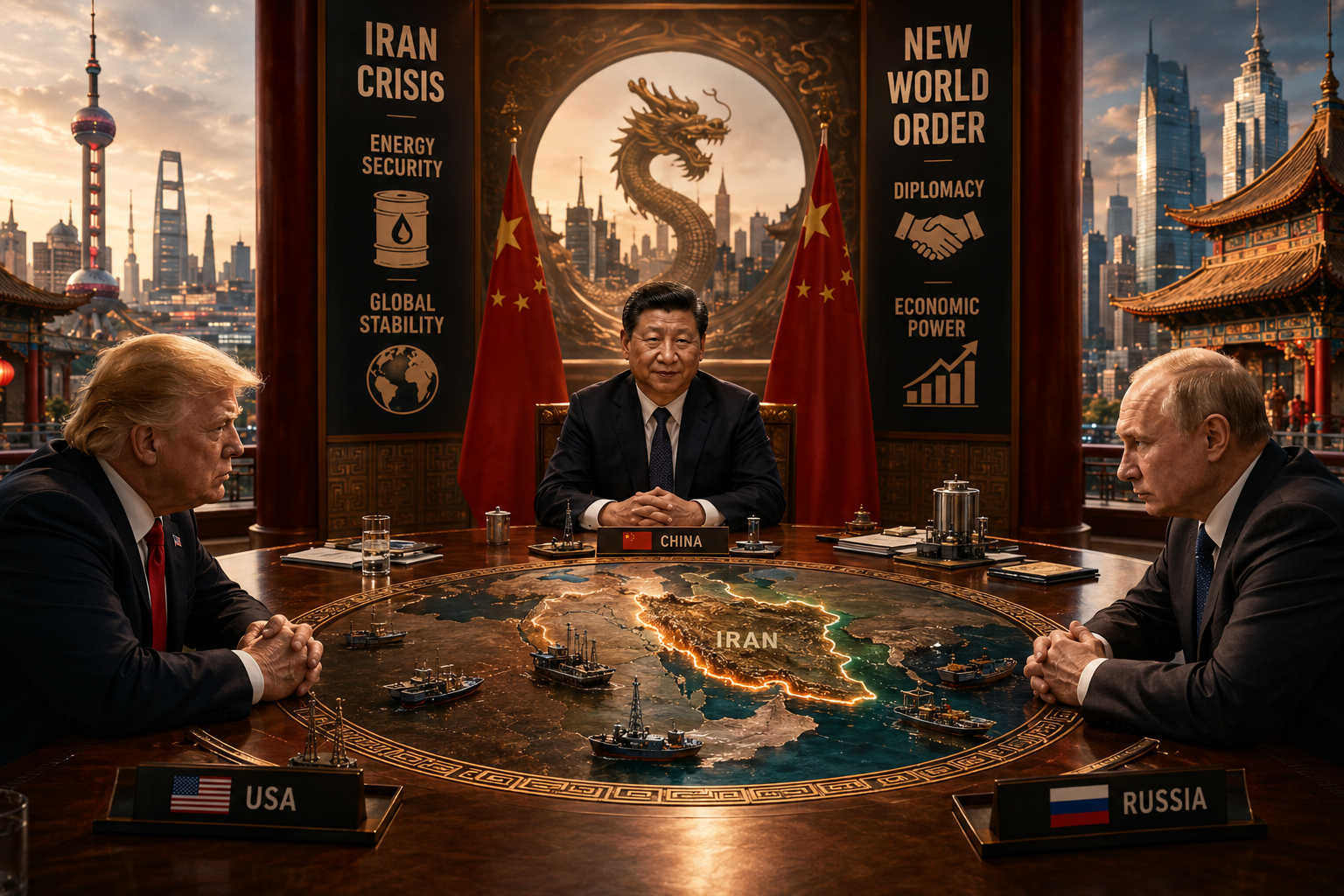
This vision led to the creation of international institutions such as the League of Nations in 1920 and later the United Nations in 1945. Organizations such as NATO and global trade agreements were also formed to maintain international stability, economic cooperation, and collective security. For many political leaders, the phrase “new world order” simply meant a more peaceful and organized international system after devastating wars.
However, conspiracy theories transformed the meaning of the term. During the Cold War, some right-wing political groups and religious extremists began claiming that powerful elites secretly planned to destroy national sovereignty and create a global dictatorship. These theories suggested that hidden organizations, wealthy bankers, secret societies, and political elites controlled governments from behind the scenes.
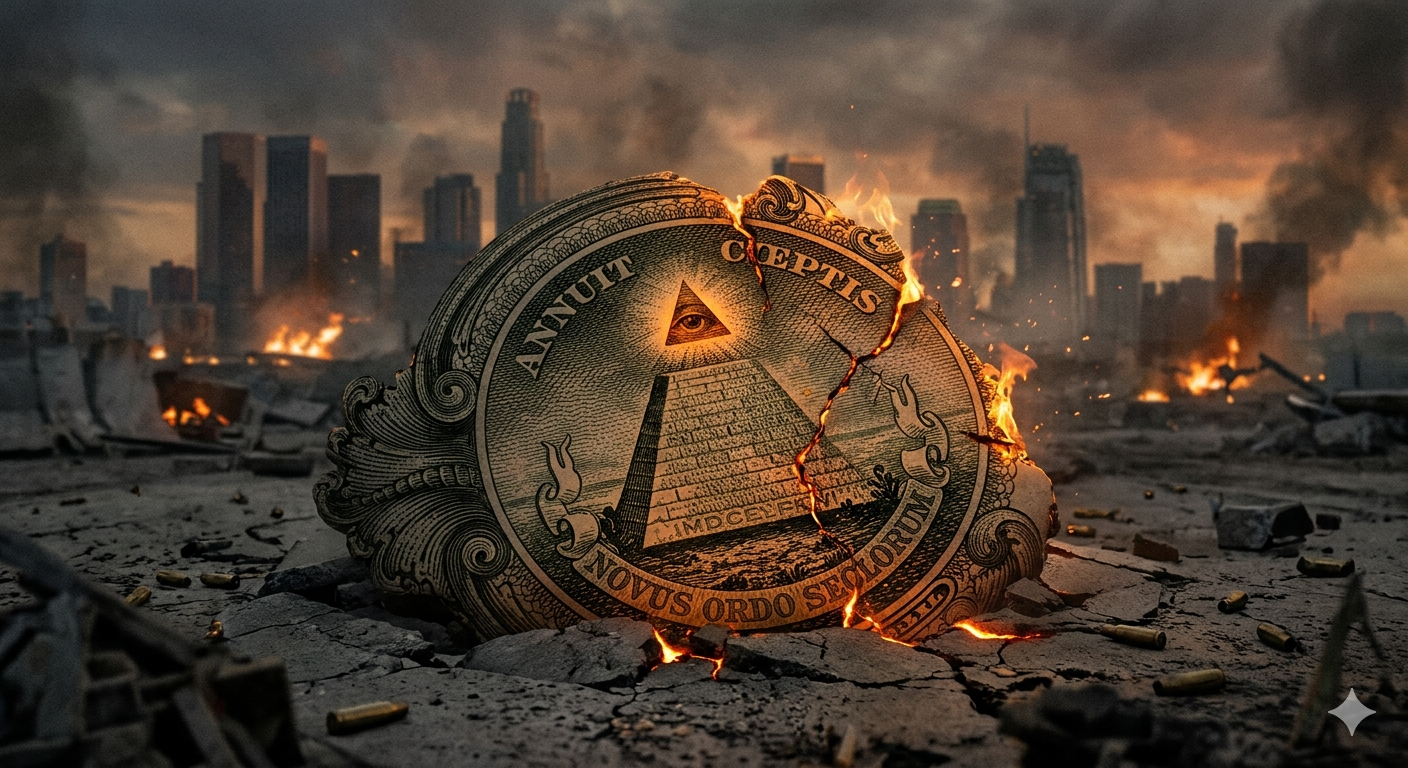
One of the earliest influences on modern New World Order conspiracy theories came from anti-communist fears during the “Red Scare” in the United States. Many people feared that communism could spread worldwide and create a centralized authoritarian government. Conspiracy theorists began linking organizations such as the United Nations to a supposed plan for global domination.
Groups like the John Birch Society strongly promoted anti-globalist conspiracy theories during the 1960s. They argued that international cooperation, global trade systems, and foreign alliances were secretly weakening national independence. According to these theories, world leaders were gradually creating a “One World Government.”
Another major influence came from writers such as Gary Allen and William Guy Carr, who published books claiming that hidden elites manipulated world events through secret organizations. These theories often included accusations involving the Illuminati, Freemasons, wealthy banking families, and political organizations. Many historians criticize these claims because they are usually based on speculation, misinformation, or antisemitic narratives rather than verified evidence.
The phrase became even more controversial after a speech delivered by U.S. President George H. W. Bush on September 11, 1990. In his speech about the post-Cold War world, Bush spoke about the possibility of a “new world order” based on international cooperation and peace after the collapse of the Soviet Union. However, conspiracy theorists interpreted his words differently. Many believed the speech confirmed secret plans for global control through international organizations.
During the 1990s and early 2000s, New World Order conspiracy theories spread rapidly through books, television programs, radio shows, and later the internet. The rise of social media made these theories even more popular because information—and misinformation—could spread worldwide within minutes.
Some conspiracy theorists believe that global crises such as wars, pandemics, economic recessions, and terrorism are intentionally used to increase government control and reduce personal freedoms. They claim that powerful elites use fear to introduce surveillance systems, digital currencies, and international regulations that could eventually weaken democracy and national sovereignty.
However, many political scientists, historians, and researchers reject these theories. They argue that global politics is far too complicated to be controlled by a single secret organization. Experts explain that international organizations such as the United Nations are not world governments but platforms where countries cooperate on issues such as peacekeeping, climate change, humanitarian aid, and global health.
Researchers also warn that extreme conspiracy theories can create fear, mistrust, and political extremism. Some studies show that belief in large conspiracies can increase political polarization and weaken trust in democratic institutions. In some cases, conspiracy theories have even inspired violence and extremist movements.
At the same time, discussions about globalization, international cooperation, and global governance remain important in modern politics. Climate change, cybercrime, pandemics, terrorism, and economic crises are global problems that require cooperation between nations. Supporters of international organizations argue that countries must work together to solve worldwide challenges.
Technology has also increased fears about control and surveillance. Artificial intelligence, digital tracking systems, facial recognition, and data collection by governments and corporations have created new debates about privacy and freedom. Some people believe these technologies could be abused in the future, which adds fuel to New World Order fears.
The New World Order remains both a political phrase and a cultural phenomenon. For some, it represents international cooperation and global peace. For others, it symbolizes fear of hidden power and loss of national independence. The term continues to appear in political debates, movies, documentaries, and internet discussions around the world.
In conclusion, the New World Order is one of the most debated and misunderstood concepts in modern history. While historical leaders used the phrase to describe international cooperation after global wars, conspiracy theories transformed it into a symbol of secret global control. Whether viewed as political reality or fictional fear, the idea reflects humanity’s ongoing concerns about power, freedom, and the future of the world.
About the Creator
Wings of Time
I'm Wings of Time—a storyteller from Swat, Pakistan. I write immersive, researched tales of war, aviation, and history that bring the past roaring back to life
Enjoyed the story? Support the Creator.
Subscribe for free to receive all their stories in your feed.
Comments
There are no comments for this story
Be the first to respond and start the conversation.