feature
Geeks featured post, a Geeks Media favorite.
SpongeBob Review
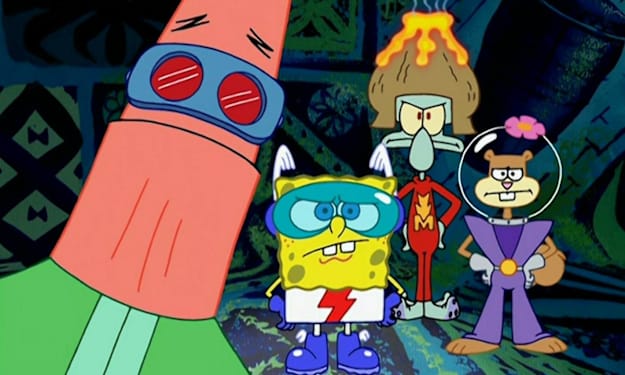
"Mermaid Man and Barnacle Boy V" stands as a quintessential highlight of the SpongeBob SquarePants series, masterfully blending the mundane frustrations of service industry life with the high-stakes absurdity of superhero tropes. The conflict ignites at the Krusty Krab, where a long-simmering resentment reaches its boiling point: Barnacle Boy, fed up with being relegated to the status of a permanent child sidekick, demands an adult-sized Krabby Patty instead of the demeaning kid’s meal he is habitually served. His earnest request to be addressed as "Barnacle Man" is met with cruel mockery from his peers, a moment of stinging rejection that serves as the catalyst for his dramatic shift toward villainy. Feeling alienated and diminished, Barnacle Boy turns his back on justice, seeking validation among the very foes he once fought by aligning himself with the sinister Man Ray and the enigmatic Dirty Bubble. This unexpected betrayal transforms the duo into a formidable trio of chaos, as they waste no time in throwing Bikini Bottom into a state of absolute disarray. The stakes are raised significantly, forcing an aging and overwhelmed Mermaid Man to recruit an unlikely team of defenders, drafting SpongeBob, Patrick, Squidward, and Sandy to fill the void left by his former comrades.
By Forest Green4 months ago in Geeks
SpongeBob Review
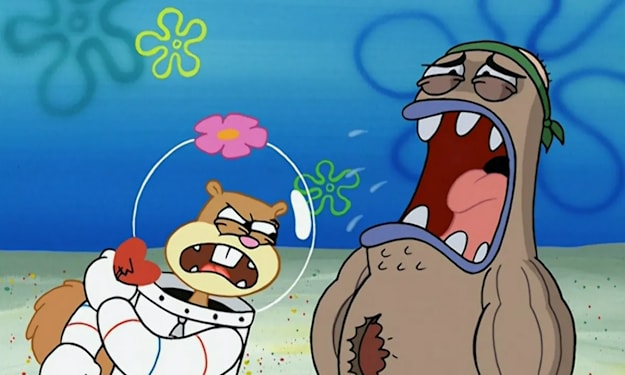
“Chocolate with Nuts” stands as a pinnacle of comedic timing and absurdity within the SpongeBob SquarePants canon, perfectly capturing the manic energy of its titular duo. The episode ignites when SpongeBob and Patrick stumble upon Squidward’s Fancy Living Digest, a catalyst that sparks their innocent, misguided ambition to transcend their blue-collar existence. Their quest for sophistication is not only endearing but serves as the bedrock for a narrative that balances social satire with the pure, unadulterated nonsense that made the early seasons so iconic.The journey begins with their misguided venture into the world of doorstep entrepreneurship as they attempt to sell chocolate bars to the denizens of Bikini Bottom. What follows is a masterful sequence of failed pitches and awkward interactions, most notably the recurring encounter with the terrifyingly intense "Chocolate Guy." This character’s visceral, screaming reaction every time the word "chocolate" is mentioned remains one of the most memorable running gags in television history, providing a stark contrast to SpongeBob’s relentless, wide-eyed optimism.
By Forest Green4 months ago in Geeks
Spongebob Review
"Krusty Krab Training Video" stands as a monumental achievement in television comedy, masterfully utilizing a meta-narrative structure that feels like a genuine relic of corporate instructional media. By adopting the aesthetic of a grainy, mid-90s training film, the episode creates an immersive experience that perfectly captures the mundane absurdity of Fast Food service, all while maintaining the manic, unpredictable energy that makes SpongeBob SquarePants such an enduring cultural phenomenon. The brilliance of the episode lies in its pacing, as it meticulously breaks down the duties of a fry cook into digestible, albeit ridiculous, segments. We are walked through the proper hygiene protocols, the importance of station maintenance, and the specific etiquette required when handling a customer’s order. It manages to be both a parody of corporate dry humor and a celebration of SpongeBob’s unyielding, almost religious devotion to his job at the Krusty Krab.
By Forest Green4 months ago in Geeks
SpongeBob Review
"Wet Painters" stands as a quintessential masterpiece of comedic tension and slapstick brilliance within the SpongeBob SquarePants canon, perfectly capturing the chaotic synergy between the titular sponge and his best friend, Patrick Star. The episode begins with a typical display of workplace incompetence at the Krusty Krab, as the duo’s clumsy enthusiasm leaves the establishment a disaster zone. Seeking to redirect their destructive energy, Mr. Krabs assigns them the precarious task of painting his living room, layering the request with a looming, ominous threat: the paint is supposedly permanent, and even a single speck on the wrong surface will lead to disastrous consequences for the pair. The narrative excels in its escalating suspense, shifting from a simple chore into a high-stakes heist movie as SpongeBob and Patrick meticulously coat the walls. Their hyper-vigilance creates a palpable sense of anxiety that keeps the audience hooked, as every movement becomes a potential catastrophe. This tension reaches a fever pitch when they commit the unthinkable by accidentally splattering paint onto Mr. Krabs’ most prized possession: his very first earned dollar. The panic that ensues is both hilarious and frantic, transforming the domestic setting into a battlefield of desperate, improvised cleaning attempts as they struggle to hide the evidence before their boss returns.
By Forest Green4 months ago in Geeks
SpongeBob Review
"Rock-a-Bye Bivalve" stands as a quintessential example of peak SpongeBob SquarePants humor, masterfully blending domestic satire with the show’s trademark surrealism. The episode begins with a chance encounter when SpongeBob and Patrick discover an abandoned baby scallop, whom they affectionately name Junior. This catalyst sets the stage for a delightful role-playing scenario where the duo dives headfirst into the responsibilities of parenthood, with SpongeBob donning the apron as the doting mother and Patrick clumsily stepping into the role of the breadwinning father. The comedic friction arises immediately from the contrast between their childlike enthusiasm and the exhausting reality of raising an infant. SpongeBob’s obsession with maternal care is hilariously over-the-top, involving obsessive cleaning and constant nurturing, while Patrick’s interpretation of a "working father" is a parody of 1950s tropes. Every morning, he leaves home—or rather, the rock—to go to "work," which merely consists of him sitting on his own front porch, completely oblivious to the fact that his "job" provides absolutely no income or support for his growing family.
By Forest Green4 months ago in Geeks
SpongeBob Review
"Krab Borg" stands as a quintessential example of SpongeBob SquarePants at the height of its comedic prowess, masterfully blending genuine suspense with the show's signature absurdist humor. The episode kicks off with a brilliantly atmospheric opening where SpongeBob, fueled by the late-night viewing of a terrifying sci-fi flick about a robotic uprising, finds his imagination spiraling into a fever pitch of paranoia. This relatable human anxiety is amplified through SpongeBob’s jittery animation and wide-eyed hysteria, setting the stage for a workplace dynamic that shifts from mundane fry-cooking to a tense, pseudo-thriller interrogation. As SpongeBob drifts into a state of total delusion, his perception of reality becomes hilariously distorted, leading him to scrutinize his boss, Mr. Krabs, with the intensity of a seasoned detective. The sight of Mr. Krabs—whose metallic-sounding claw and rhythmic clicking somehow convince SpongeBob that he has been replaced by a chrome-plated automaton—serves as the perfect catalyst for chaos. The episode cleverly toys with the audience’s expectations, keeping us guessing just enough to make SpongeBob’s increasingly frantic theories feel like a darkly comedic tragedy unfolding within the claustrophobic walls of the Krusty Krab.
By Forest Green4 months ago in Geeks
SpongeBob Review
The episode "Squilliam Returns" stands as a masterclass in comedic tension, perfectly capturing the deep-seated inferiority complex that defines Squidward Tentacles’ tragic existence. When his wealthy and effortlessly superior high school rival, Squilliam Fancyson, reappears, the narrative immediately shifts into a high-stakes farce. Squidward’s desperate, reflexive lie about owning a five-star restaurant is the inciting incident that serves as a painful reminder of his inability to be honest about his status, setting the stage for a chaotic chain of events designed to humiliate him. The frantic energy of the middle act is palpable as Squidward manages to manipulate Mr. Krabs into transforming the humble, grease-stained Krusty Krab into an establishment of high culture. Watching the iconic fast-food joint draped in velvet curtains and chandeliers is a surreal visual gag that underscores the absurdity of Squidward’s ruse. This segment excels at juxtaposing the gritty, blue-collar reality of Bikini Bottom’s most famous burger shack with the pretentious, fragile facade Squidward is desperately trying to assemble before his nemesis arrives.
By Forest Green4 months ago in Geeks
SpongeBob Review
The episode "No Weenies Allowed" stands as a definitive highlight of early SpongeBob SquarePants, masterfully capturing the show’s unique blend of surreal humor and character-driven slapstick. The narrative kicks off with an energetic karate duel between SpongeBob and Sandy at the beach, an encounter that serves as the perfect catalyst for their discovery of the Salty Spitoon. This establishment, framed as the most fearsome and impenetrable fortress of masculinity in Bikini Bottom, immediately sets the stage for a delightful exploration of insecurity and the lengths one will go to earn validation from the most intimidating of gatekeepers. When the duo arrives at the Spitoon, the bouncer—a hulking, scarred sailor fish—quickly distinguishes between the two, allowing Sandy immediate passage while coldly rejecting SpongeBob. This moment of rejection acts as the primary conflict, forcing our porous protagonist to confront his own self-perception as he attempts to prove his toughness. The bouncer’s dismissive attitude toward SpongeBob is classic comedic gold, highlighting the absurdity of a sponge trying to fit into a gritty, dive-bar environment filled with hardened criminals and brawlers.
By Forest Green4 months ago in Geeks
SpongeBob Review
In the iconic SpongeBob SquarePants episode "Can You Spare a Dime?", the narrative centers on a petty conflict that spirals into a complex study of workplace dynamics and personal boundaries. It all begins when Mr. Krabs, driven by his pathological greed, loses his very first dime earned and immediately points an accusatory finger at Squidward. Despite the lack of any substantial evidence, Krabs treats his employee with such profound disrespect that Squidward finally reaches a breaking point, resulting in him dramatically quitting his position with the arrogant assumption that he will effortlessly land a more prestigious career elsewhere. The humor in the episode takes a sharp, satirical turn as Squidward rapidly descends into a state of total financial ruin. His hubris is swiftly dismantled by the harsh reality of the job market, forcing him to drain his life savings until he is left destitute. With nowhere else to turn, Squidward resorts to moving into SpongeBob’s pineapple home, where he proceeds to live the life of a parasitic houseguest. His entitlement reaches new heights as he treats his neighbor not as a friend, but as a submissive servant, demanding that SpongeBob cater to his every whim and comfort.
By Forest Green4 months ago in Geeks
SpongeBob Review
The episode "As Seen on TV" serves as a quintessential exploration of SpongeBob’s boundless, yet often misguided, enthusiasm, centering on his desperate yearning for stardom after a fleeting, blink-and-you-miss-it appearance in a Krusty Krab commercial. The irony is palpable from the very first frame, as our protagonist is barely visible in the corner of the screen, eclipsed by the sheer spectacle of a mustard-squirting machine. Despite the minuscule nature of his contribution, SpongeBob instantly convinces himself that he has ascended to the ranks of global iconhood, effectively weaponizing his delusions of grandeur to alter the workplace atmosphere entirely. The catalyst for his insufferable ego trip arrives in the form of a confused elderly patron who mistakenly identifies SpongeBob as a mascot for a generic brand of cereal rather than the fry cook he actually is. Instead of correcting the record, SpongeBob embraces this bizarre mistaken identity with fervent intensity, viewing it as the ultimate validation of his burgeoning celebrity status. This moment of clarity for the audience—seeing just how little the world actually cares about his commercial debut—stands in stark contrast to the heightened reality SpongeBob constructs within his own porous mind.
By Forest Green4 months ago in Geeks
SpongeBob Review
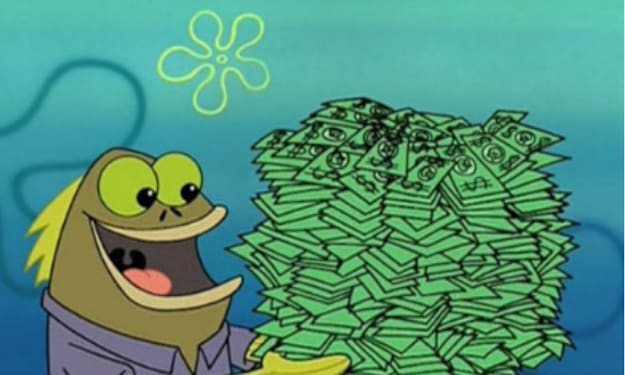
"One Krabs Trash" stands as a masterclass in the classic Spongebob Squarepants formula, perfectly encapsulating the insatiable greed of Eugene Krabs and the relentless, wide-eyed optimism of his fry cook. The episode kicks off with a quintessential yard sale setup, where Krabs attempts to offload his literal junk onto unsuspecting customers, ultimately swindling SpongeBob into purchasing a "Number One" drink hat for ten dollars. This simple transaction serves as the catalyst for a hilarious descent into madness, driven entirely by Krabs’ sudden, feverish realization that the item he practically discarded is actually a legendary, priceless relic sought after by wealthy collectors.The narrative tension escalates brilliantly as Krabs descends deeper into a pit of desperation, his eyes transforming into literal dollar signs as he imagines the opulent lifestyle he could lead with the proceeds from the hat. His subsequent attempts to manipulate SpongeBob are both pathetic and darkly comedic, as he deploys an array of increasingly absurd psychological warfare tactics meant to guilt-trip his employee into relinquishing the "treasure." Watching Krabs play the role of a grieving, spectral ancestor or a concerned friend highlights the lengths to which he will go to secure a profit, creating a dynamic that is as frustrating for the audience to witness as it is deeply entertaining.
By Forest Green4 months ago in Geeks
SpongeBob Review
The masterpiece episode "Snowball Effect" stands as a definitive highlight of the series, masterfully utilizing the rare occurrence of a freak snowstorm to transform the familiar landscape of Bikini Bottom into a whimsical winter wonderland. When a massive glacier settles directly above the city, it casts a literal and figurative chill over the neighborhood, providing the perfect catalyst for SpongeBob and Patrick to engage in the kind of pure, unadulterated joy that defines their iconic friendship.As the snow stacks high, SpongeBob and Patrick immediately embrace the festive atmosphere with infectious enthusiasm, treating the frozen precipitation as a playground for endless snowball fights. Their high-pitched laughter and playful antics serve as a stark, vibrant counterpoint to the gloomy irritation felt by Squidward Tentacles, who finds himself deeply perturbed by the relentless racket occurring just outside his window as he attempts to enjoy a moment of peace. He had plans of drinking hot chocolate near a warm fire which is repeatedly put out by a snowball as a running gag throughout the episode. The tension escalates brilliantly when the two best friends decide to engage in a formal snowball war, treating the game with the gravity of a historical conflict. Squidward, initially relieved by the silence that falls when they unexpectedly call a truce, ironically finds himself dismayed by the sudden cessation of play, proving that he is subtly addicted to the very chaos he claims to despise, leading him to intervene in their affairs. In order to keep the game going, the trio would have to pretend that they are at the Krusty Krab but that didn’t work.
By Forest Green4 months ago in Geeks