
Yogurt & Oatmeal… Does It Actually Keep You Full?
Truly satisfied — or just in your head? The honest truth about the oatmeal & yogurt bowl

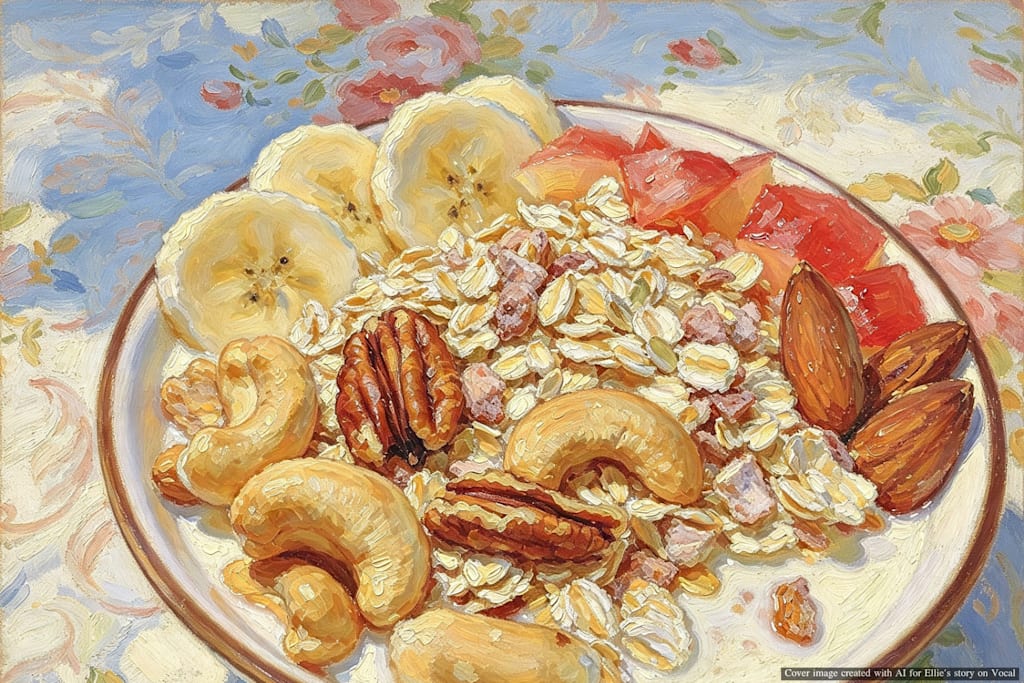
Every time I set my bowl of oatmeal and yogurt down in front of me, no matter what time of day, the same question comes up — so often it’s become routine.
“Is that all you’re having? Does it actually fill you up? Is that enough to get by?”
Sometimes it’s asked out of genuine concern, sometimes just plain curiosity. Either way, I’d like to share my perspective — not to claim this is the one true answer, but because this is what I’ve experienced firsthand. I want to paint a fuller picture than just a simple “yes” or “no.”
From where I stand — is it actually enough?
My answer is: yes, it is — but only under certain conditions.
For me, this meal works really well when I’m not physically active all day. On work-from-home days, or when I’m simply watching what I eat, it’s perfect. It leaves me feeling comfortably full — no bloating, no heaviness, and best of all, I don’t get ravenously hungry nearly as quickly as I do after other meals.
That said, I’m not claiming this works for everyone, always, everywhere. If I have a long walk ahead, a busy day on my feet, or a tough workout planned — this alone won’t cut it. It might keep me satisfied for a little while, but hunger will return soon enough. It provides a certain amount of energy — and when your body uses more than that, it lets you know.
I think the biggest misunderstanding is that “fullness” means stuffing yourself until you’re bursting. But real satisfaction isn’t measured by how much food is on your plate. It’s about whether what you ate provides balanced energy — and how long it keeps you going. Oatmeal and yogurt might look small to others, but for me? It’s just right.

But why does it keep you full so long? — It’s not magic. It’s science.
You might wonder: why does this keep me fuller than the same amount of rice or bread? The answer is simpler than you think. It all comes down to ingredients and how they work in our bodies.
Oats — energy that releases slowly
Oats are incredibly high in fiber — especially one type called beta‑glucan. Once in your stomach, it expands and forms a kind of gentle gel lining. That slows digestion right down, releasing energy steadily instead of all at once.
This is the big difference from refined carbs like white rice, bread, or pastries — they digest fast, spike your blood sugar fast, then crash fast too. That rollercoaster leaves you hungry again surprisingly soon — sometimes suddenly, ravenous, like you never ate at all.
Oats keep blood sugar steady — no spikes, no crashes. That means staying fuller longer without that nagging hunger pangs. The fiber also keeps digestion running smoothly — so you feel lighter and more comfortable overall.
Yogurt — protein for steady satisfaction
Yogurt is rich in protein — one of the most powerful nutrients for satiety. Protein sends a clear signal to your brain: we’ve had enough. It naturally curbs cravings and snacking between meals.
Plus, yogurt contains beneficial bacteria — probiotics — that keep your gut microbiome balanced. When digestion works well, nutrient absorption improves — and your body genuinely feels nourished. It’s not “full” because you overate — it’s full because your body got what it needed.
Put slow‑digesting oats together with protein‑rich yogurt, and they work as a team. One stabilises your energy supply; the other signals satisfaction to your brain. The result? A feeling of fullness that lasts — and feels solid.
____________________
More than just staying full — the long‑term benefits
Beyond satisfaction, choosing this combination offers real health advantages that add up over time:
- Cholesterol management — The soluble fiber in oats binds to bad cholesterol and helps remove it from the body. Regular consumption supports heart health.
- Easier calorie control — Staying fuller naturally means fewer snacks, fewer calories consumed overall — without the misery of starving yourself.
- Gentle on digestion — Easy to tolerate, soothing on the stomach. Great for people with sensitive digestion or dietary sensitivities.
- Comfortable energy — No post‑meal slump or heaviness. You stay alert and light afterward.
One important note though — these benefits only work if you choose plain, unsweetened yogurt and plain unflavoured oats. Flavoured varieties often hide a lot of added sugar, turning a healthy meal into something that spikes your calories and sweet cravings instead.
____________________
My Basic Recipe + Custom Ideas
The base is wonderfully simple — and that’s part of what I love about it.

Basic ingredients:
- 3–4 tablespoons oats (large flakes = longer fullness; instant/finely rolled = easier digestion)
- 1 cup plain yogurt — approx. 150–200 g
- Mix well, let sit for 2–3 minutes so the oats soften slightly — and enjoy!
That’s it. But on days when you need more energy or variety, here are some healthy add‑ins:
For staying full even longer:
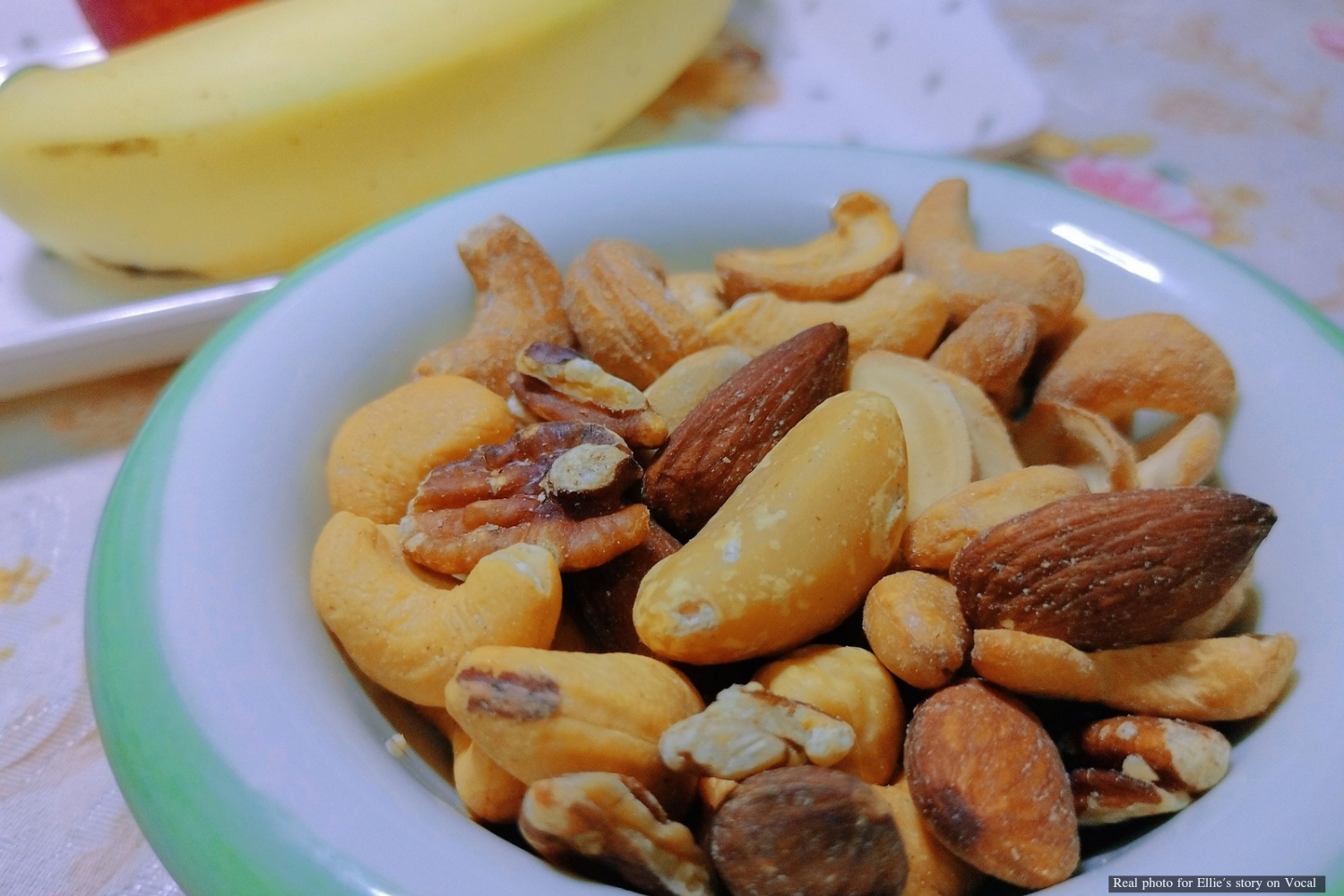
- About 5–7 almonds, walnuts, or other nuts — healthy fats + extra protein = keeps you satisfied another 1–2 hours. My personal favourite? Cashews — I love the crunch and flavour. Purely my preference :)
- 1 teaspoon chia seeds or pumpkin seeds — very high in fiber, expand gently in the stomach, excellent for digestion and lasting fullness
- 1 hard‑boiled egg — for serious protein. Extremely filling, great on physically active days
For flavour & extra nutrients:
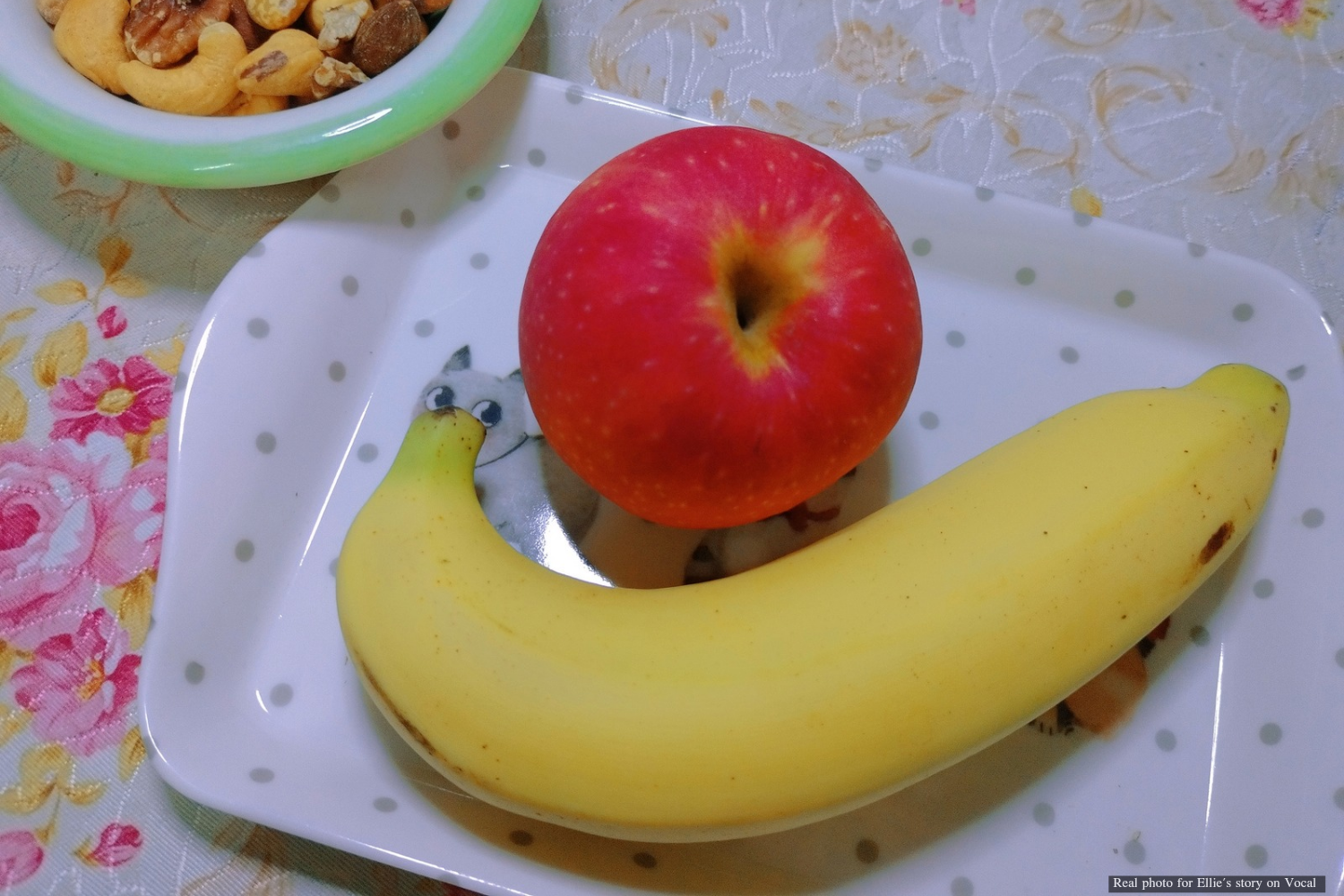
- Half a banana — natural sweetness, quick but steady energy, plus potassium
- Sliced apple or pear — nice crunch + extra fiber
- Berries like strawberries or blueberries — high in antioxidants, naturally low in sugar, great for weight management
Quick tips:
- If you like it a little sweeter, add just a tiny drizzle of honey — about half a teaspoon — instead of sugar or condensed milk
- If it feels too thick, stir in a splash of milk — dairy, almond, or soy works fine
- Eat whenever works best — breakfast, lunch, or a snack. Adjust portion to match your hunger and your day’s energy needs. Simple as that.
In closing — what I really hope you take away
At the end of the day, I’m not saying this is the perfect meal, or that everyone must eat like me. What I’ve learned is this: there is no one‑size‑fits‑all diet. No single “right” time to eat, no single “right” food.
Some people will try this and still feel hungry. Some might find it doesn’t agree with them. Others will love it — and that’s completely normal. We’re all built differently. We all burn energy differently. What matters isn’t following someone else’s rules — it’s knowing why you’re eating, and whether what you’re eating actually serves your body, that day.
For me, oatmeal and yogurt stays one of my favourite choices — simple, quick, genuinely nourishing, and most importantly — it leaves me feeling good. No guilt, no deprivation, just something that works.
If you’re looking for something light but satisfying to carry you through the morning or afternoon — give it a try. But remember: you know your body best. You know when you’re truly hungry. Trust yourself more than any recipe. You don’t need anyone else’s rules — just listen to your own body. :)

About the Creator
Ellie
I do not merely tell stories… but invite you to step into a world of feelings — a small realm filled with memories, imagination, and secrets.
[ My words are mine, not a robot’s! ]
_______________
IG: @Ellie.15111
Enjoyed the story? Support the Creator.
Subscribe for free to receive all their stories in your feed. You could also become a paid subscriber, letting them know you appreciate their work.
Comments
There are no comments for this story
Be the first to respond and start the conversation.