asia
All Asia-bound travelers need some guidance before tackling the largest and most populous continent on Earth.
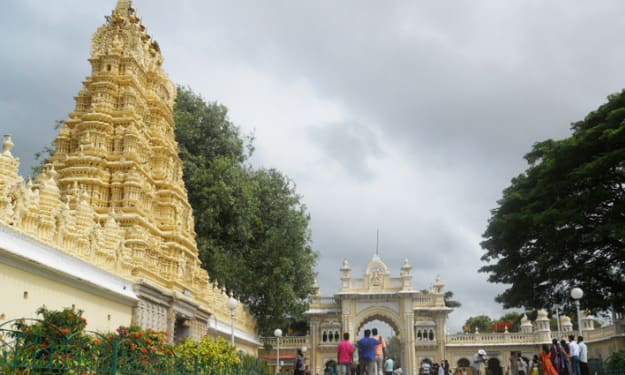
KARNATAKA TOURISM PLACES
Karnataka is a state located in the southern part of India. It is known for its rich cultural heritage, scenic beauty, and diverse landscapes. The state is home to a wide range of tourist attractions, including ancient temples and monuments, wildlife sanctuaries, hill stations, beaches, and waterfalls.
By Libin Chandran4 years ago in Wander
Top 3 Uniquely Japanese Arts
Ikebana, also known as kado or the way of flowers, is a traditional Japanese art form that involves the arrangement of flowers, branches, leaves, and other natural materials in a vase or other container. The practice of ikebana dates back to the 7th century and has evolved over time to include various styles and techniques. Ikebana emphasizes balance and harmony in the arrangement, with each element chosen and placed to create a sense of movement and flow. The basic elements of an ikebana arrangement are the shin (formal or spiritual), the soe (informal or natural), and the hikae (line or accent). Shin is the central element, and it is usually the tallest and most prominent in the arrangement. Soe is the secondary element, and it is usually shorter and more naturalistic. The hikae is the accent, and it is usually smaller and used to add interest or contrast to the arrangement. Ikebana also has various schools of styles, The Sogetsu school, Ikenobo, Ohara, and Misho are some popular styles. Each style has its own techniques and principles, but all share the same goal of creating beauty and harmony through the arrangement of flowers. Ikebana is often associated with Zen Buddhism and is believed to help practitioners achieve a sense of inner peace and tranquility. Many Japanese homes have an ikebana vase or tokonoma (alcove) where seasonal flowers and branches are arranged for display. Ikebana is also a popular form of entertainment, with competitions and demonstrations held regularly throughout Japan and around the world.Sumi-e, also known as ink painting or brush painting, is a traditional Japanese art form that involves the use of black ink and various brushes to create illustrations and calligraphy. Sumi-e paintings often feature landscapes, nature, and other subjects that are inspired by Chinese and Japanese art and culture. The basic techniques of sumi-e involve the use of a brush to apply ink to paper in a controlled and expressive manner. The brushstrokes used in sumi-e are often bold and dramatic, with a focus on capturing the essence of the subject rather than its detailed appearance. One of the key principles of sumi-e is the use of minimalism and simplicity to convey the maximum amount of meaning and emotion. Many sumi-e paintings have a stark and unadorned quality that is meant to reflect the natural and spiritual essence of the subject. Sumi-e is closely related to calligraphy, and the two art forms often share similar tools and techniques. Many sumi-e artists also practice calligraphy and use the same brush and ink to create both written characters and illustrations. The origins of Sumi-e can be traced back to China, but it's believed to have been introduced to Japan in the 7th century by Chinese monks. It evolved in Japan over time and became an important form of expression in the Zen Buddhism. Sumi-e is a meditative and spiritual practice that is believed to help practitioners achieve a sense of inner peace and balance. Sumi-e painting is still practised today by many artists and enthusiasts, both in Japan and around the world.Ukiyo-e is a traditional Japanese art form that involves the use of woodblock prints to create illustrations and artwork. The word "ukiyo-e" literally means "pictures of the floating world," and refers to the urban lifestyle and culture of Edo-period Japan (1603-1868). Ukiyo-e prints were popular among the middle and lower classes of society and often depicted scenes from everyday life, such as actors, courtesans, and landscapes. The artists who created these prints were often considered to be part of the ukiyo, or "floating world," which was a term used to describe the transient and pleasure-seeking aspects of Edo-period culture. The process of creating ukiyo-e prints is complex and requires several steps. First, an artist creates a detailed sketch or painting of the desired image. Next, a professional carver cuts the design into a wooden block, which is then used to print the image onto paper. The block can be used to print multiple copies of the same image, and each print will be slightly different due to the nature of the printing process. Ukiyo-e prints are known for their bold, flat colors and dynamic compositions. Artists often used a limited color palette and bold black lines to create a sense of movement and energy in the image. The technique of using multiple blocks to print different colors is also a characteristic feature of Ukiyo-e prints. Ukiyo-e prints were particularly popular during the Edo period, but the tradition continued even after the Meiji restoration of 1868. However, after the Meiji period, Ukiyo-e went into decline and eventually became a historical art form. Today, Ukiyo-e prints are highly valued by collectors and art enthusiasts around the world, and are considered an important part of Japanese cultural heritage.
By Dipayan Biswas4 years ago in Wander
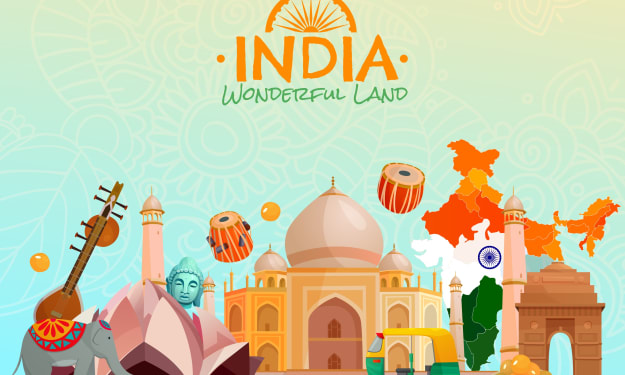
INDIA-The land of mixed cultures
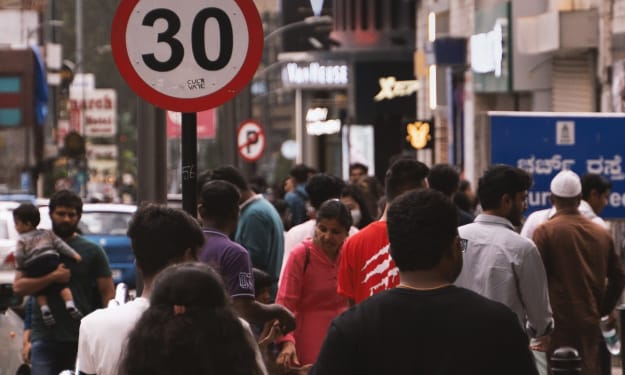
India - The Billion Heritage Introduction India is a diverse and culturally rich country with a history spanning thousands of years. The country is home to a variety of ethnic groups, languages, and religions, making it a melting pot of different cultures.
By Sujith B Y4 years ago in Wander
The Journey Starts
I said goodbye to my parents in the driveway. The summer of 1974, I graduated from high school, turned eighteen and, with money earned at the mall, bought a round-trip ticket to what seemed like a shimmering fairytale across the Atlantic: Europe.
By Vivian R McInerny4 years ago in Wander
Life in Bali for Expats: A Tropical Paradise
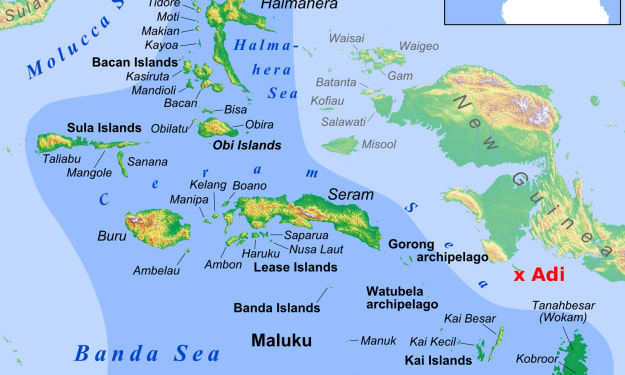
Bali, the tropical paradise located at the westernmost end of the Lesser Sunda Islands, is a popular destination for expats looking to experience a unique and exciting lifestyle. Known for its beautiful beaches, vibrant culture, and friendly locals, Bali offers a wealth of opportunities for those looking to call the island home.
By Saba Malik4 years ago in Wander
Kantara
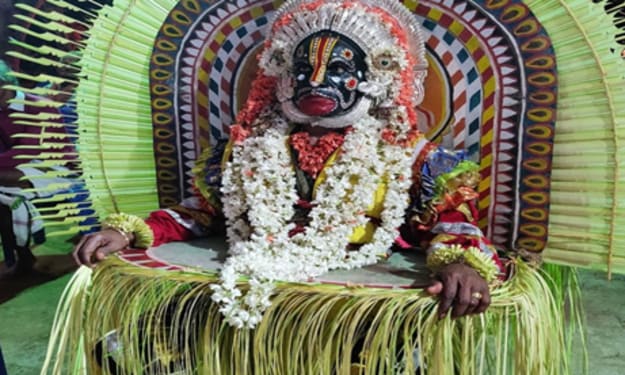
Kantara is a recent movie in 2022, that is nominated for the Oscars and took the cinema fraternity by storm. Kantara means mystic forest. The interior part of Karnataka is filled with such lush and thick forest surrounded by the Western Ghats. But, this article is not about the movie. It is more about the references and traditions around the movie and how this movie has sparked new interest in an age old tradition.
By Sankaran Somasundaram4 years ago in Wander
Rules of Law
How are the Rules of Law in the world? The rules of law vary widely across the world. Some countries have strong, well-established legal systems that provide a high degree of protection for individual rights and property, while others have weaker systems that are subject to corruption and abuse.
By yasir saleem4 years ago in Wander
Tamil Nadu's Pongal festival in India : A celebration of nature, harvest and culture
Introduction Pongal is a four-day harvest festival celebrated in the South Indian state of Tamil Nadu, and by Tamil communities worldwide. It is typically celebrated in the month of January and marks the beginning of the sun's six-month-long journey northwards (known as Uttarayana).
By Rachel Green4 years ago in Wander