politicians
Reviews of the politicians kissing babies and running governments around the world; applaud and criticize the decisions they make and their implications.
The decline of the West and the rise of ‘the Rest’ will lead to a new world order
As Donald Trump rampages through the global economic system with his tariff war and throws the United States’ commitment to NATO into serious doubt, fears – even panic – are mounting about the collapse of world order. Part of the anxiety stems from how suddenly these changes appear to have unfolded. In the aftermath of the 2008 global economic crisis, what was often described as the US-led liberal international order seemed alive and well, though not without challenges.
By Ibrahim Shah 6 months ago in The Swamp
Trump Calls for Countries to Send Warships to Reopen Hormuz: A New Flashpoint in Global Maritime Security. AI-Generated.
The Strait of Hormuz has long been one of the most strategically important waterways in the world. Every day, a significant portion of the planet’s oil supply moves through this narrow corridor connecting the Persian Gulf to the Gulf of Oman and the Arabian Sea. Any disruption in this passage has immediate consequences for global energy markets, international trade, and geopolitical stability. Recently, former U.S. President Donald Trump reignited global debate by calling on countries to send warships to reopen the Strait of Hormuz amid rising tensions in the region. Trump’s statement comes at a time when maritime security in the Middle East has once again become a critical concern. Escalating conflicts, threats to commercial shipping, and heightened rivalry among regional powers have raised fears that the Strait could be partially or fully blocked. Trump argued that because many nations depend heavily on oil shipments passing through Hormuz, they should collectively deploy naval forces to guarantee free navigation. The Strait of Hormuz is only about 21 miles wide at its narrowest point, yet it carries roughly a fifth of the world’s petroleum exports. Major energy producers such as Saudi Arabia, the United Arab Emirates, Kuwait, Iraq, and Qatar rely on this maritime chokepoint to transport oil and liquefied natural gas to global markets. When tensions flare in this region, oil prices often spike, stock markets react nervously, and governments rush to evaluate the security of their energy supply chains. Trump’s proposal emphasizes burden-sharing among international powers. During his presidency, he frequently criticized allies for relying too heavily on the United States to maintain global security. His latest remarks follow the same philosophy. According to Trump, countries that benefit most from the energy shipments moving through the Strait—particularly Asian and European economies—should take greater responsibility for protecting the shipping lanes. Supporters of Trump’s call argue that multinational naval cooperation could deter attacks on oil tankers and cargo ships. A coalition of naval forces patrolling the Strait could quickly respond to threats such as mines, missile attacks, drone strikes, or the seizure of commercial vessels. In theory, a visible international presence would send a message that interference with maritime trade will not be tolerated. However, critics warn that deploying additional warships to an already volatile region could increase the risk of military confrontation. The Persian Gulf has seen several close encounters between naval vessels in the past. Miscommunication or miscalculation between opposing forces could escalate into a broader conflict. Diplomatic experts often caution that while military presence can deter aggression, it can also create an environment where tensions are constantly on edge. Iran plays a central role in the dynamics surrounding the Strait of Hormuz. Because it borders the northern side of the waterway, Iran has repeatedly stated that it has the capability to disrupt shipping if its own security or economic interests are threatened. Over the years, Iranian officials have suggested that if sanctions severely limit their oil exports, they could retaliate by interfering with oil traffic from other countries. Although such statements are often interpreted as strategic messaging rather than immediate threats, they contribute to ongoing uncertainty. Global energy markets remain highly sensitive to developments in the Strait of Hormuz. Even rumors of potential disruptions can trigger rapid increases in oil prices. Energy-importing countries in Asia—including China, Japan, South Korea, and India—are particularly dependent on oil passing through the Strait. As a result, these nations closely monitor the security situation and have occasionally participated in maritime security missions. European countries have also shown growing interest in protecting shipping routes in the Gulf. Several European navies have joined multinational maritime patrol operations designed to safeguard commercial vessels. These missions typically involve surveillance, escort operations, and intelligence sharing among participating countries. While they are intended to maintain stability, they must operate carefully to avoid escalating regional tensions. Trump’s statement highlights a broader debate about the future of global security responsibilities. In the past, the United States Navy has played the dominant role in protecting international sea lanes. But with shifting geopolitical priorities and rising competition between major powers, some policymakers believe the burden should be shared more evenly. Trump’s call for more countries to send warships reflects this perspective. At the same time, many analysts emphasize that military solutions alone cannot guarantee long-term stability in the Strait of Hormuz. Diplomatic engagement, regional dialogue, and conflict de-escalation efforts are equally important. Addressing the underlying political tensions that threaten maritime security may ultimately prove more effective than relying solely on naval deployments. The situation also illustrates how interconnected the modern global economy has become. A disruption in a relatively small waterway in the Middle East can affect fuel prices in Europe, manufacturing costs in Asia, and transportation expenses worldwide. The Strait of Hormuz is not merely a regional concern—it is a global lifeline for energy and commerce. Whether Trump’s proposal will influence international policy remains uncertain. Governments typically weigh multiple factors—including diplomatic relations, military risks, and domestic political considerations—before committing naval forces to foreign missions. However, his comments have once again drawn attention to the fragile balance of security in one of the world’s most critical maritime corridors. As geopolitical tensions continue to evolve, the Strait of Hormuz will remain a focal point for international security discussions. Ensuring that ships can safely pass through this narrow but vital waterway will require cooperation, strategic planning, and careful diplomacy among nations whose economic futures depend on the uninterrupted flow of global trade.
By Jameel Jamali6 months ago in The Swamp
Donald Trump: America's Most Corrupt President - Crime History. Content Warning.
Recently, the Epstein Files revealed that the super wealthy have engaged in gut churning sexual crimes on minors. Including the worst US President in American history, Donald J Trump. Who has also performed various other crimes for decades. Which seems to be a family tradition among the Trump's. After a bit of digging and research. Let's take a little trip back through time. Hopefully strike back at the Trump corruption. And rebuild a small measure of what was lost.
By Matthew Sposato6 months ago in The Swamp
Kharg Island Bombed: Trump.
Trump's postings on his social media network, Truth Social, can be flamboyant, over-the-top, dramatic, theatrical, and, dare I say, economical with the truth, making things seem bigger or better than they actually are. Not surprising from a man who thinks all eyes should be on him.
By Nicholas Bishop6 months ago in The Swamp
Status Active — The Luna Archive
Status Active — The Luna Archive Grandpa Huxley’s Opening Script Voice Settings: Deep, gravelly, slow, and knowing. "Most folks look at a city and see glass and steel, but Margaret? She saw the wires underneath. She knew that even when the world tries to shut you down, puts a lock on your archive and calls it a 'legacy' there is always a back door if you know where to look.
By Vicki Lawana Trusselli 6 months ago in The Swamp
Subtitle: Diplomatic intervention from Beijing helps calm rising tensions along the Pakistan–Afghanistan border. AI-Generated.
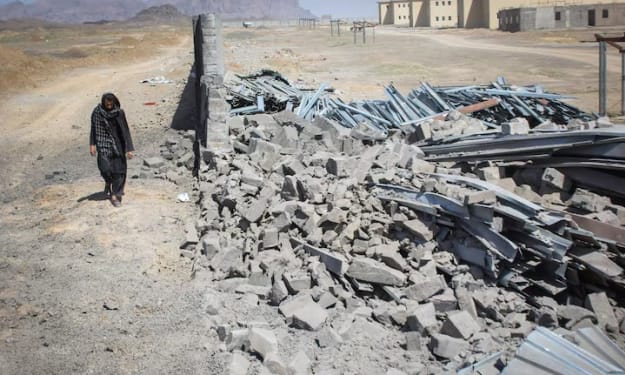
Tensions between Pakistan and Afghanistan have often flared along their long and historically complicated border. In recent weeks, clashes between security forces from both sides raised fears of a broader conflict that could destabilize the region. However, diplomatic efforts led by China have reportedly helped ease the fighting, offering a temporary pause in hostilities and opening the door for dialogue between the two neighboring countries. According to diplomatic sources familiar with the situation, China stepped in as a mediator after violence escalated along the border areas shared by Pakistan and Afghanistan. The intervention came at a critical moment, as several incidents involving cross-border fire, military buildups, and accusations from both sides threatened to worsen already fragile relations. Rising Tensions Along the Border The border between Pakistan and Afghanistan—often associated with disputes surrounding the Durand Line—has long been a source of tension. Pakistan recognizes the Durand Line as the official international border, but successive Afghan governments have historically challenged its legitimacy. Recent clashes reportedly began after accusations from Pakistani officials that militant groups were operating from Afghan territory and launching attacks inside Pakistan. Islamabad has repeatedly raised concerns about security threats coming from across the border, particularly from militant organizations that it claims find safe havens in remote Afghan regions. Afghan authorities, on the other hand, have accused Pakistani forces of conducting cross-border strikes and violating Afghan sovereignty. These competing narratives have fueled mistrust and triggered several rounds of border skirmishes involving artillery fire and troop movements. While the clashes were limited in scale, they raised alarm among regional observers who feared the possibility of a prolonged conflict between the two neighbors. China Steps In as Mediator Amid growing tensions, China reportedly engaged in quiet diplomatic efforts aimed at calming the situation. As a major regional power and a close partner of Pakistan, Beijing has significant influence in South Asia and has increasingly taken on a mediating role in regional disputes. Chinese diplomats held discussions with officials from both Pakistan and Afghanistan, encouraging restraint and dialogue. According to sources, these talks helped create a channel of communication between the two sides at a time when tensions were rapidly escalating. China’s involvement is not entirely surprising. Stability in the region is essential for Beijing’s strategic and economic interests, particularly projects connected to the Belt and Road Initiative. Pakistan is a key partner in this initiative through the China–Pakistan Economic Corridor, one of the most significant infrastructure projects under the Belt and Road framework. Any escalation of violence between Pakistan and Afghanistan could threaten trade routes, infrastructure investments, and regional connectivity projects that China is heavily invested in. Temporary Calm but Long-Term Challenges Following China’s mediation efforts, sources say the intensity of fighting along the border has eased. Both sides have reportedly reduced military activity in the disputed areas and opened discussions aimed at preventing further clashes. However, analysts warn that this calm may only be temporary unless deeper issues between Pakistan and Afghanistan are addressed. Border disputes, militant activity, and political mistrust have shaped relations between the two countries for decades. The presence of armed groups operating in the border region remains one of the most sensitive issues. Pakistan has repeatedly called on Afghan authorities to prevent militant organizations from using Afghan territory to launch attacks. Meanwhile, Afghanistan has expressed concerns about security operations carried out by Pakistani forces near the border. These complex security challenges mean that diplomatic mediation alone may not be enough to guarantee lasting peace. Regional Importance of Stability Stability between Pakistan and Afghanistan is not only important for the two countries themselves but also for the wider region. Both nations sit at a strategic crossroads linking South Asia, Central Asia, and the Middle East. Trade routes, energy projects, and regional connectivity initiatives depend heavily on peaceful relations between the two neighbors. Ongoing instability can disrupt economic development and hinder cooperation on issues such as counterterrorism, border management, and refugee movements. China’s role as a mediator reflects its growing influence in regional diplomacy. In recent years, Beijing has taken a more active role in facilitating dialogue in areas where conflicts could threaten regional stability or its economic interests. Some analysts believe China’s involvement could eventually lead to broader diplomatic mechanisms involving multiple regional powers. Others argue that lasting peace will depend primarily on direct engagement between Pakistan and Afghanistan themselves. A Test for Regional Diplomacy The recent easing of tensions offers a reminder that diplomacy can still play a crucial role in preventing conflicts from spiraling out of control. China’s mediation helped create an opportunity for both sides to step back from confrontation and consider dialogue. However, the situation remains delicate. Border incidents can quickly escalate, and both governments face domestic pressures when dealing with security threats. For now, the reduction in fighting provides a window of opportunity. If Pakistan and Afghanistan can use this moment to strengthen communication channels and address long-standing disputes, the region could move toward greater stability. Whether the calm will last remains uncertain, but one thing is clear: regional diplomacy—especially efforts supported by influential partners like China—will continue to shape the future of relations between Pakistan and Afghanistan.
By Jameel Jamali6 months ago in The Swamp
WHY ARAB STATES BEING TARGETED?
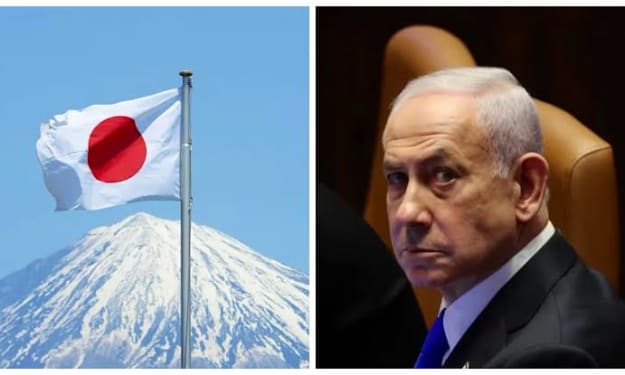
It is absolutely clear that they will go after every country that threatens Israel or is considered an existential or security threat to it. The agenda of Washington, D.C. is very clear: they will target every country that threatens Israel, and either destroy it through carpet bombing or erase it, just as they did with Atomic bombings of Hiroshima and Nagasaki.
By Ibrahim Shah 6 months ago in The Swamp
Tater Tots and Transgender Penguins:
I have my first cup of coffee for the day in hand, and my laptop on the coffee-table in front of me, opened to my favorite government tracking site: https://www.govtrack.us/. I’m settled into my favorite spot on the couch, with Kai my 2-year old Golden Retriever and trusty research partner next to me, just a couple of political junkies, who are cruising the internet, and looking for a political good-time. Ok... I'm the political-wonk... Kai's just there for the treats and belly-rubs... and then we find what we're looking for.
By Meko James 6 months ago in The Swamp
US and Allies Clash with Russia and China Over Iran’s Nuclear Program. AI-Generated.
A Deepening Global Divide Over Nuclear Security A dramatic diplomatic confrontation has emerged on the global stage as the United States and its Western allies clash with Russia and China over Iran’s nuclear program. The dispute has unfolded at the United Nations and in international diplomacy, highlighting growing divisions among the world’s most powerful nations over how to address Iran’s expanding nuclear activities. The confrontation is not just about Iran itself. It reflects a wider struggle over global influence, security policy, and the future of international cooperation. As tensions rise, the debate surrounding Iran’s nuclear ambitions has become one of the most critical geopolitical issues shaping global politics today. The Security Council Showdown The most recent clash occurred during a heated meeting of the United Nations Security Council. The United States, supported by countries such as Britain and France, pushed for stronger monitoring and enforcement of sanctions against Iran’s nuclear program. Western leaders argue that Tehran’s expanding uranium enrichment activities represent a serious threat to global security. According to reports from international nuclear watchdogs, Iran has enriched uranium to about 60 percent purity—far beyond the level required for civilian nuclear energy. While still short of weapons-grade uranium, experts warn that the gap between 60 percent and weapons-grade material is technically small, raising fears that Iran could potentially develop nuclear weapons if enrichment continues unchecked. The United States and its allies therefore insist that stronger pressure and international oversight are necessary to prevent nuclear proliferation in the Middle East. Russia and China Push Back Russia and China strongly oppose the Western approach, arguing that sanctions and military pressure only escalate the crisis rather than solve it. During diplomatic discussions, representatives from Moscow and Beijing criticized the United States for taking aggressive actions against Iran and undermining diplomatic solutions. Both countries maintain that the dispute should be resolved through negotiation rather than confrontation. Chinese officials have repeatedly emphasized that dialogue remains the best path toward resolving nuclear disagreements and maintaining regional stability. Russia has also called for diplomacy, warning that military actions or excessive sanctions could further destabilize the Middle East and trigger broader conflict. These positions reflect the growing geopolitical alignment between Russia, China, and Iran, particularly as tensions between Western powers and these nations continue to intensify. The Legacy of the Nuclear Deal The roots of the current crisis can be traced back to the collapse of the 2015 nuclear agreement known as the Joint Comprehensive Plan of Action (JCPOA). Under that agreement, Iran agreed to limit its nuclear program in exchange for the lifting of international sanctions. However, the United States withdrew from the deal in 2018 and reintroduced strict economic sanctions against Iran. The move triggered renewed tensions and gradually weakened the framework designed to limit Iran’s nuclear capabilities. In the years since, Iran has expanded uranium enrichment and reduced cooperation with international monitoring agencies, claiming the steps are a response to economic pressure and broken diplomatic promises. Strategic Alliances and Global Power Politics The dispute over Iran’s nuclear program also reflects shifting global alliances. Russia and China have deepened their political and economic ties with Tehran in recent years. Cooperation agreements, energy partnerships, and strategic deals have strengthened their relationship with Iran while creating new geopolitical dynamics in the region. For Russia and China, supporting Iran is not only about nuclear policy. It also represents resistance against what they perceive as Western dominance in global politics. By backing Iran diplomatically, both countries signal their opposition to unilateral sanctions and military intervention. Meanwhile, Western nations view Iran’s nuclear program as a direct threat to international security and regional stability. Countries in Europe and the United States worry that a nuclear-armed Iran could trigger an arms race in the Middle East, encouraging other countries to pursue nuclear weapons as well. Rising Risks of Regional Conflict The growing diplomatic confrontation has coincided with rising military tensions across the Middle East. Military strikes, cyber operations, and economic sanctions have intensified the broader conflict surrounding Iran’s nuclear activities. These developments have raised concerns that the dispute could evolve into a larger regional crisis. Energy markets have already felt the impact. Oil prices have surged amid fears that instability in the region could disrupt global supply chains, particularly through the Strait of Hormuz, a crucial route for international oil shipments. At the same time, international organizations have warned about the humanitarian consequences of continued conflict, including displacement and economic instability affecting millions of people across the region. A Test for Global Diplomacy The clash between the United States and its allies on one side and Russia and China on the other highlights a broader challenge facing international diplomacy. The United Nations Security Council—once designed to resolve global crises—has increasingly become a battleground for competing geopolitical interests. With major powers divided, reaching consensus on how to handle Iran’s nuclear program has become extremely difficult. Sanctions, negotiations, and military deterrence are all being debated, but no clear solution has emerged. The outcome of this dispute will likely shape global security for years to come. If diplomacy fails, the world could face a prolonged period of instability in one of the most strategically important regions on the planet. The Road Ahead Despite the tensions, many experts still believe diplomacy remains possible. Previous nuclear negotiations have demonstrated that compromise can be achieved when all parties are willing to engage constructively. However, rebuilding trust between Iran and Western powers will be a major challenge. The current divide between global superpowers has made negotiations more complicated than ever before. As the debate continues, the world watches closely. The question now is whether international cooperation can overcome political rivalry—or whether the conflict over Iran’s nuclear ambitions will push global tensions to a dangerous new level.
By Jameel Jamali6 months ago in The Swamp