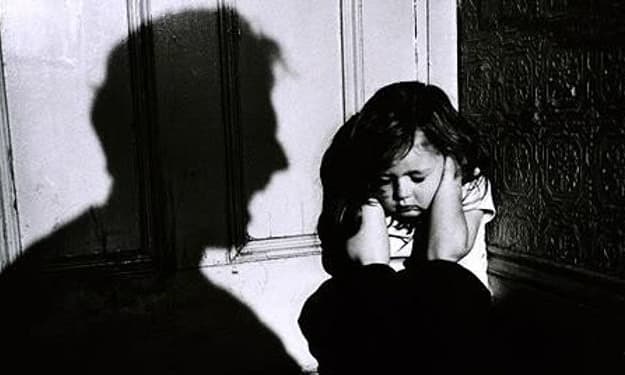
trauma
At its core, trauma can be thought of as the psychological wounds that persist, even when the physical ones are long gone.
How Can ADHD Testing Help You? Exploring the Benefits and Process
Understanding why you think, feel, and act a certain way can bring deep relief. Many people go through life feeling distracted, restless, or unable to focus, without knowing why. Parents may wonder why their child cannot sit still or pay attention at school. Adults often ask themselves why staying on task or meeting deadlines seems so hard. Attention-Deficit/Hyperactivity Disorder, or ADHD, affects children, teens, and adults, yet many still go undiagnosed. With more people wanting answers, ADHD testing has become even more important.
By Mind-Body Careabout a year ago in Psyche
Stress Is Not the Enemy — Comfort Might Be
In today’s fast-paced digital world, stress is often painted as the villain behind mental health struggles, burnout, and chronic fatigue. We are bombarded with messages telling us to eliminate stress, prioritize self-care, and chase comfort at all costs. While reducing toxic stress is important, what if the true enemy isn’t stress itself—but our obsession with constant comfort?
By shoaib khanabout a year ago in Psyche
Tragedy, Tribulations, and Finding Peace Within Myself . Content Warning.
Greetings, Vocal readers. Before I begin, I want to say thanks to the wonderful team on Vocal for selecting my story as on of the Top Stories of May. I'll have a link to that story down below if you would like to read it. For this story, I want to be open and honest about, and in detail, about my devastating lows and numerous suicide attempts. It's an uncomfortable topic to discuss, but I believe by being transparent about what I've gone through mentally, it might encourage someone to seek professional help. In my previous stories on Vocal, I've been frank about my mental health struggles. We should have difficult, yet necessary conversations about mental health. It will show that people are honest and genuine about their feelings. In fact, we should normalize being open about our struggles, not have it suppressed. I was diagnosed with depression and anxiety in February 2012, but had been experiencing those feelings since I was 19.
By Mark Wesley Pritchard about a year ago in Psyche
The Lingering Shadows.
Childhood is often seen as a time of innocence, exploration, and growth. Yet for many, it is a period marred by trauma, be it emotional neglect, physical abuse, domestic violence, or abandonment. The impact of such experiences can reach far beyond the early years, quietly infiltrating adulthood and shaping how individuals relate to the world, their partners, and ultimately, their own children. Understanding Childhood Trauma. Childhood trauma refers to events or circumstances that are emotionally painful or distressing, often leaving lasting mental and emotional scars. These events can include physical or sexual abuse, exposure to violence, emotional neglect, parental substance abuse, or losing a caregiver. For a developing child, such experiences can disrupt the normal growth of emotional regulation, self-worth, and trust in others. Unlike a physical wound that may heal with time and treatment, trauma embeds itself deep into the psyche. It alters the brain’s wiring, especially areas linked to fear, memory, and emotional processing. As a result, trauma survivors may grow up battling anxiety, depression, emotional detachment, or difficulty forming healthy relationships. The Repetition of Pain: Trauma and the Family Cycle. One of the most devastating consequences of unresolved childhood trauma is its tendency to repeat itself across generations. Survivors may find themselves unintentionally replicating the same patterns of abuse, neglect, or dysfunction they endured. This is not because they are inherently harmful, but because trauma has shaped their understanding of what relationships and parenting should look like. For instance, someone who grew up in a home where love was conditional or paired with punishment may struggle to express affection in a healthy way. They might become overly strict, emotionally distant, or even repeat patterns of verbal or physical abuse. Others may become overly permissive, unable to set boundaries because they fear being seen as "bad" like their own parents once were. This cycle often begins subtly. A parent might snap in anger during a stressful moment, using the same hurtful words they once heard. Or they may struggle with addiction, depression, or emotional unavailability, just as their caregivers did. These behaviors can deeply affect their children, planting new seeds of trauma that can grow in silence until they are passed on again. Why the Cycle Continues. The repetition of trauma is not necessarily a conscious choice. Many survivors of childhood trauma suppress or minimize their past, believing they have "moved on." But trauma that is unprocessed doesn’t simply disappear, it lives in the body, the mind, and the emotional reactions to everyday life. Triggers can reignite old wounds, a child’s tantrum, a partner’s criticism, or even just the pressure of responsibility. Moreover, people tend to recreate what feels familiar, even when it is painful. The chaos of an abusive or neglectful home may become a blueprint for adult relationships and parenting. Without awareness and healing, survivors often replicate the only models of caregiving and attachment they have ever known. Breaking the Cycle. The good news is that the cycle of trauma does not have to continue. Healing is possible, though it requires courage, self-reflection, and often professional support. Therapy, particularly trauma-informed approaches like EMDR (Eye Movement Desensitization and Reprocessing) or somatic therapy can help individuals process their childhood experiences, reframe their beliefs, and build healthier coping mechanisms. Education is another powerful tool. Learning about attachment theory, emotional regulation, and healthy parenting can open doors to new ways of relating to oneself and others. Support groups, parenting classes, and trauma recovery programs can also create a safe space for growth. Perhaps most importantly, healing involves compassion for oneself and for the wounded child within. Acknowledging the pain without judgment allows survivors to reclaim their narrative, not as victims bound to repeat the past, but as individuals capable of transformation. Final Thoughts. Childhood trauma is a silent architect of many adult struggles, shaping how people love, parent, and relate to the world. Its effects can be profound and far-reaching, but they are not irreversible. By facing the past, seeking support, and choosing intentional healing, it is possible to stop the cycle. In doing so, individuals not only change their own lives, they give their children a new legacy, one rooted in safety, empathy, and love.
By Chris Liberty about a year ago in Psyche