social media
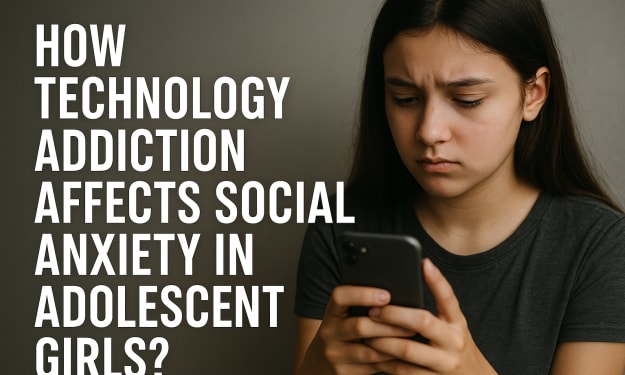
Social media dramatically impacts our offline lives and mental well-being; examine its benefits, risks and controversies through scientific studies, real-life anecdotes and more.
The Day I Deleted All Social Media – What Happened Next Changed Me
I didn’t plan it. There was no “digital detox” challenge, no Instagram announcement about taking a break. One quiet evening, I simply snapped. After hours of scrolling through photos of people I barely knew living lives I didn’t really care about—and yet somehow envied—I put my phone down and whispered to myself, “This isn’t living.”
By Talha Maroofabout a year ago in Psyche
The Science of Overthinking: Why You Can’t Turn Off Your Brain. AI-Generated.
Have you ever found yourself trapped in a cycle of endless thoughts—replaying a conversation, worrying about the future, or second-guessing every decision you make? It’s 2 a.m., your body is tired, but your mind is wide awake, bouncing from one anxious thought to another. That, in a nutshell, is overthinking.
By Dorking Wavesabout a year ago in Psyche
The Difficulty Of Freedom
In the US, many people Celebrate today as a Day of Freedom from Tyranny. Now, if you go into the History of the US, there are Challenges that Exist, and some may say this is not accurate, or that it is a day about the "Possibility" of Freedom.
By H.E. Dr. Cody Dakota Wooten, COIE, DFM, DHMabout a year ago in Psyche
The Sewing Box
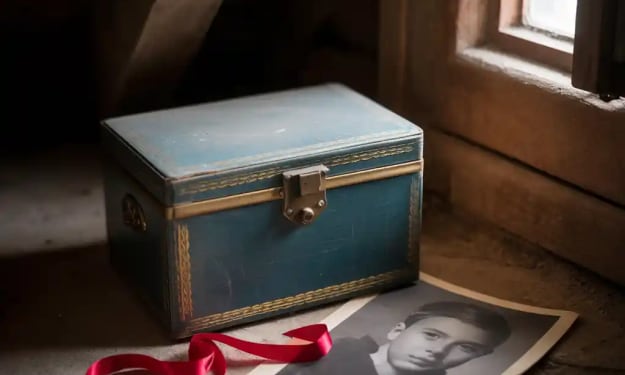
The box had been there for years — untouched, unspoken, and always in the same corner of Nana’s old attic. Covered in lace that had long since yellowed, it waited like a quiet witness. When Nana passed away that winter, I returned home after seven years to settle her affairs — not entirely ready for what I would find. I hadn’t been back since I was sixteen. Back then, I ran away more than I visited. Back then, Nana was already growing forgetful, calling me by my mother’s name, or sometimes by her own sister’s. But she never forgot about the sewing box. She’d always say, “Don’t touch it, Isla. That’s not for you — not yet.” -- The funeral was small. Nana never had many friends left. It was just me, the priest, and the mailwoman who brought her groceries during her final years. The house felt too quiet when I returned — like it had been waiting just for me. I slept in the guest room that night, but I didn’t really sleep. I kept thinking of the sewing box. It wasn’t just nostalgia. Something about it tugged at me — like it had its own heartbeat. -The attic The next morning, I climbed the attic stairs, flashlight in hand. The switch hadn’t worked in years. The air was thick with dust and lavender. Nana always loved lavender. It masked the scent of mothballs and age. I walked past old suitcases, brittle magazines, faded photographs with crinkled edges. And there it was — in the far left corner, exactly where I remembered. The sewing box. It was a faded green, with golden thread-like trim and a broken hinge. A cracked ceramic bird perched on top, its wing chipped. I sat cross-legged in front of it, just like I used to. But this time, I didn’t hesitate. Inside, there were spools of thread, needles, buttons in little paper envelopes. But underneath, tucked beneath a swatch of blue satin, was something else. Letters. Dozens of them, tied with red ribbon, yellowed with age. The top one had my mother’s name — Claire. My heart thumped against my ribs. I opened the first letter. Dear Claire, I know you won’t understand now, but I hope one day you will forgive me. I didn’t have a choice. You were only a baby when he left, and I couldn’t risk it — not again. I had to keep you safe. Nobody believed me back then, but he wasn’t who he said he was. He wasn’t just “James from the library.” He had a darkness I didn’t see — not until it was too late. You have his eyes, you know. I hated them for years, but now… now I wonder if maybe you deserved to know. There’s more in this box than thread, darling. There are truths I never dared speak aloud. — Mother froze. James? My grandfather? I’d never heard anything about him. My mom rarely spoke of her childhood, and when she did, it was always about the happy things — summer at the lake, Sunday cakes, Nana’s lullabies. But not once had she mentioned her father. I read another letter. And then another. Each one was more detailed than the last. Each one filled with fear, and regret, and love twisted in grief. My Nana had been hiding the truth for decades. Not just from my mother — but from the world.
By Arshad khanabout a year ago in Psyche
Scroll to Death: We Lost Our Lives to the Scroll: The Dark Reality Behind Social Media's Illusion of Connection
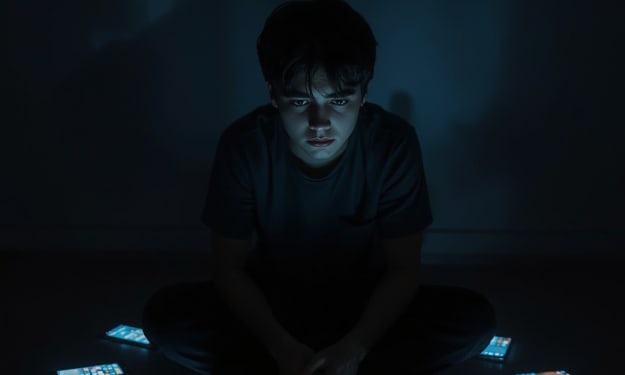
Introduction: The Silent Suicide We All Chose Imagine you're lying in bed, phone in hand, scrolling endlessly. You've seen hundreds of faces, dozens of fake smiles, tragedies, dances, deaths, and desires—all within an hour. Yet you haven't moved. You haven't prayed. You haven't looked into your mother’s eyes. You haven’t breathed.
By DRE Explainsabout a year ago in Psyche
Social Media is Making Us Lonelier – Here’s the Data
Once upon a time, “friends” were the people we shared coffee with, laughed beside, cried with, and trusted deeply. Today, “friends” are also strangers we follow, double-tap, and occasionally DM with emojis. We’re more connected than ever, yet—paradoxically—we’re also lonelier than ever. And it’s not just a feeling. The numbers back it up.
By Kamran Zebabout a year ago in Psyche
Aesthetic Exhaustion
Somewhere between choosing the right filter and adjusting the lighting, we began losing sight of ourselves. We are living in an era where the performance of life often overshadows its experience. Each day, millions of people around the world scroll, pose, post, and repeat — carefully arranging moments to fit within the narrow frames of aesthetic appeal. But beneath the beautifully edited breakfasts, sunset selfies, and #softlife reels, a silent fatigue is setting in. We are, perhaps, becoming exhausted — not from living, but from constantly curating.
By Mehtab Ahmadabout a year ago in Psyche
Why Do Young Men Hesitate to Seek Mental Health Support?
Mental health issues among young men and boys Mental health issues among young men and boys are on the rise, yet they are less likely to seek help compared to their female counterparts. According to a 2023 study from the United States, approximately 40% of men do not seek help for mental health issues. The *European Child and Adolescent Psychiatry Journal* highlights that suicide rates among adolescent boys and young men are increasing, while their tendency to seek psychological support remains low. This raises critical questions: why do young men hesitate to seek mental health support, and what can schools, parents, and policymakers do to address this issue?
By Muhib Ullah about a year ago in Psyche