
You’re Not Lazy — Your Environment Is Broken
Before blaming yourself, take a closer look at what surrounds you.

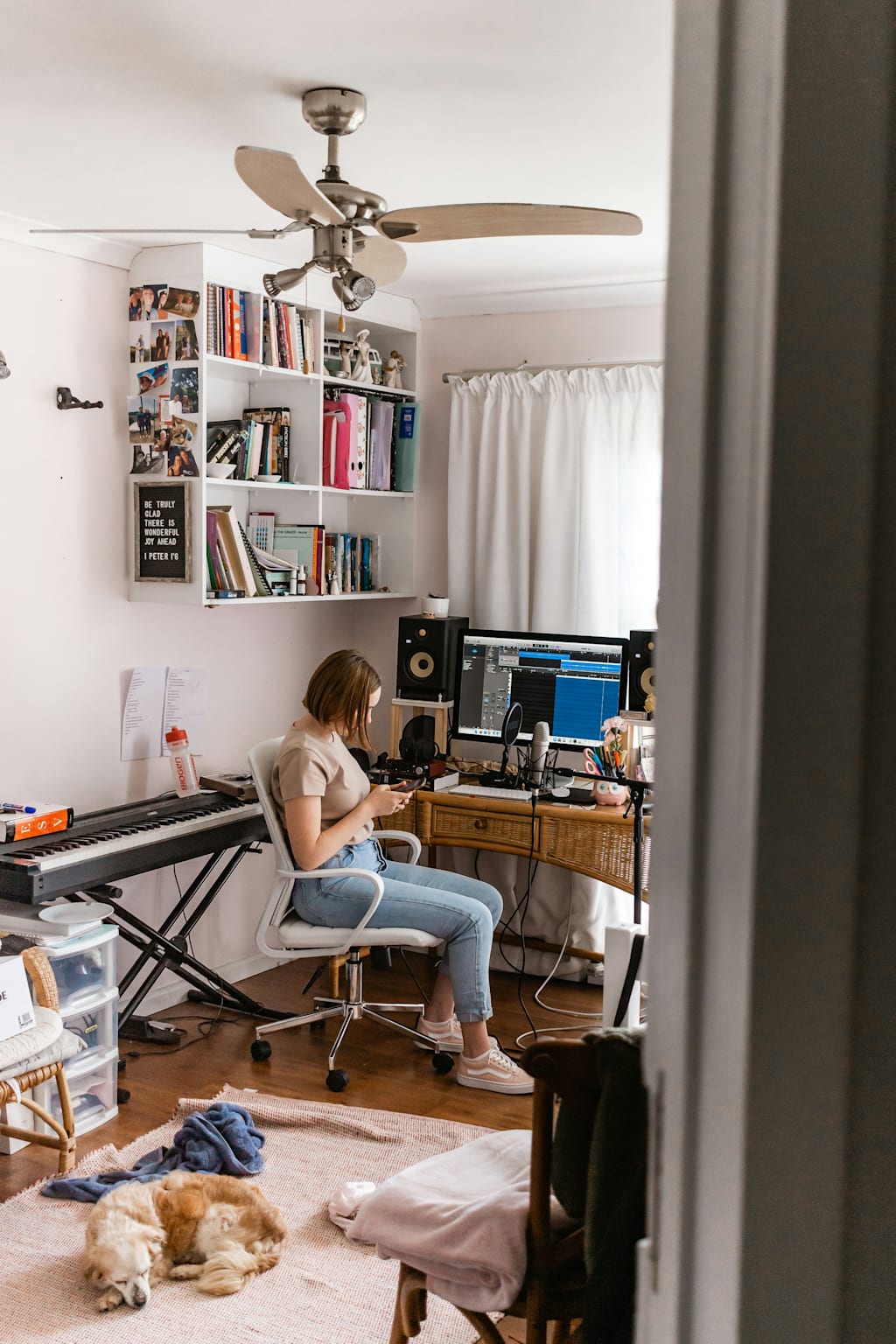
You’re Not Lazy — Your Environment Is Broken
Introduction: The Label That Holds You Back
“Lazy.”
It’s a word many people quietly use to describe themselves.
When they procrastinate.
When they lose focus.
When they fail to stay consistent.
They assume the problem is internal.
A lack of discipline.
A lack of willpower.
A lack of drive.
So they try to fix themselves.
Push harder.
Try again.
Feel guilty when they fail.
But what if the problem isn’t you?
What if the real issue is your environment?
The Myth of Personal Failure
Self-improvement often focuses on personal responsibility.
Work harder.
Be stronger.
Stay disciplined.
While responsibility matters, this perspective ignores something critical.
Behavior is not just a personal choice.
It is heavily influenced by context.
Your Environment Is Always Shaping You
Whether you notice it or not, your environment is constantly influencing your behavior.
It determines:
What you see
What you think about
What you do by default
Your surroundings are not neutral.
They are active forces.
Why You Keep Getting Distracted
If your environment is filled with distractions, your attention will be fragmented.
Phones within reach.
Notifications constantly appearing.
Multiple tabs open.
You are not failing to focus.
You are being pulled in different directions.
The Default Path Problem
Humans naturally follow the path of least resistance.
If distraction is easy, you will be distracted.
If focus is difficult, you will avoid it.
This is not weakness.
It is efficiency.
Effort vs Design
Trying to rely on effort alone is exhausting.
You are constantly fighting your environment.
Resisting impulses.
Forcing focus.
But this approach is not sustainable.
Design is more powerful than effort.
When Good Habits Feel Hard
If positive behaviors feel difficult, it is often because your environment creates friction.
Want to work, but your workspace is messy.
Want to read, but your phone is always nearby.
Want to focus, but interruptions are constant.
These are design problems.
Not character flaws.
When Bad Habits Feel Easy
At the same time, negative behaviors often feel effortless.
Scrolling takes no effort.
Distractions are immediate.
Comfort is always available.
This is not accidental.
It is environmental design working against you.
Stop Fighting Yourself
Most people try to solve this by pushing harder.
More discipline.
More pressure.
More guilt.
But this creates resistance.
And resistance leads to burnout.
Instead of fighting yourself, change the conditions.
Redesigning Your Environment
Start by asking:
What makes distraction easy?
What makes focus difficult?
Then adjust.
Remove Friction for Focus
Create a space that supports your goals.
Clean workspace.
Clear boundaries.
Defined work time.
Make it easier to start.
Add Friction to Distractions
Make unwanted behaviors harder.
Move your phone away.
Disable unnecessary notifications.
Limit access to distracting apps.
Even small barriers matter.
Environment Creates Identity
Over time, your environment shapes your identity.
If you are in a focused environment, you become someone who focuses.
If you are in a distracted environment, you become someone who struggles to focus.
Identity follows behavior.
And behavior follows environment.
Why This Changes Everything
When you understand this, something shifts.
You stop blaming yourself.
You start adjusting your surroundings.
You move from frustration to strategy.
You Are Not the Problem
This is important.
You are not broken.
You are responding to your environment.
Change the environment.
And your behavior will change with it.
Conclusion: Design Beats Willpower
You don’t need to become a different person.
You need to create different conditions.
Because when the environment supports you:
Focus becomes easier.
Consistency becomes natural.
Progress becomes sustainable.
Stop fighting yourself.
Start designing your environment.
About the Creator
Enjoyed the story? Support the Creator.
Subscribe for free to receive all their stories in your feed.
Comments
There are no comments for this story
Be the first to respond and start the conversation.