
You Are Becoming What You Consume Every Day
Your mind is shaped less by your intentions and more by what repeatedly enters your attention.

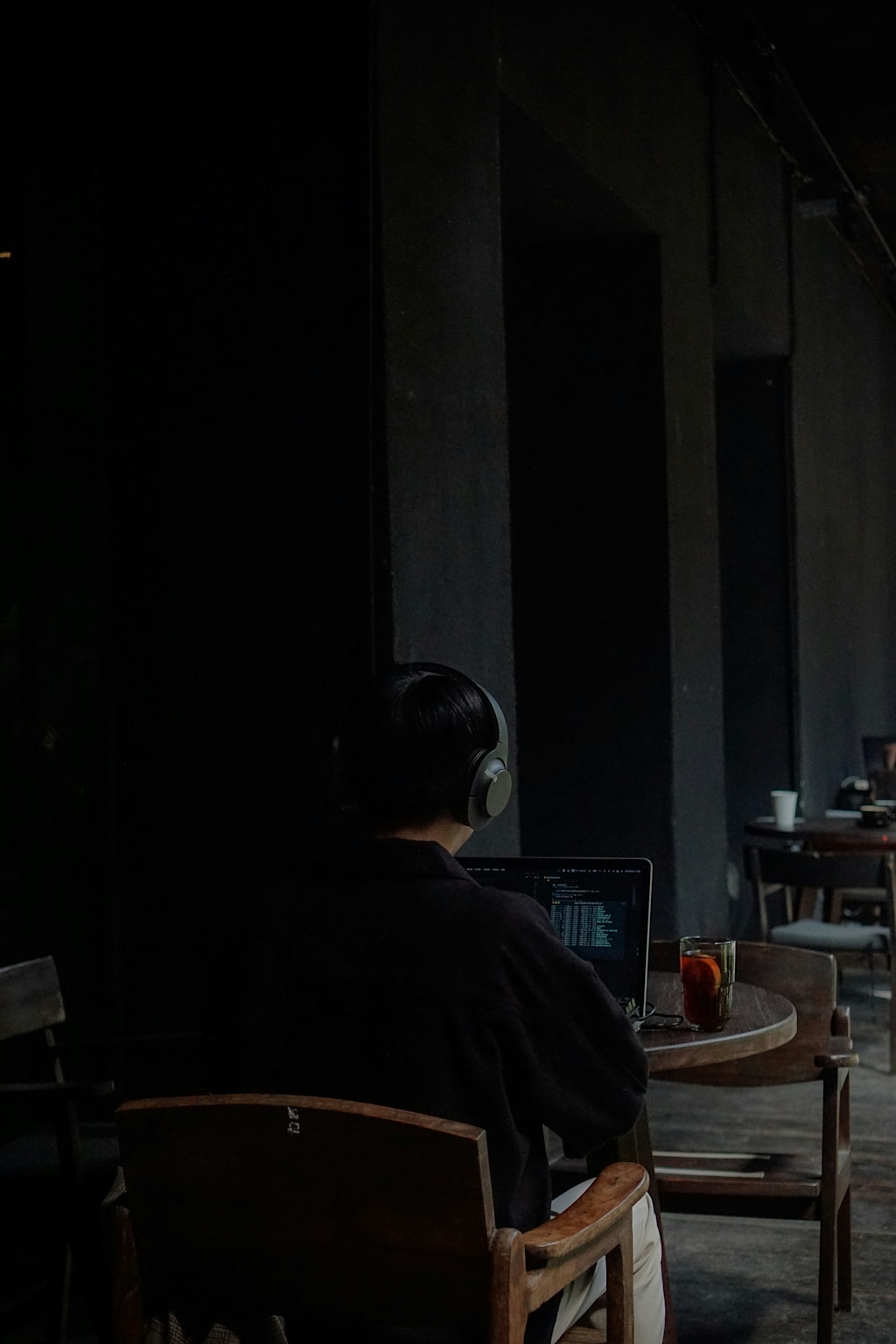
You Are Becoming What You Consume Every Day
Introduction: Consumption Is Quietly Shaping Your Identity
Most people pay close attention to what they eat.
But very few people pay equal attention to what they consume mentally.
Every day, your mind absorbs enormous amounts of information:
Videos
News
Music
Conversations
Social media
Opinions
Entertainment
Algorithms
And while these inputs may seem harmless individually, repeated exposure shapes the way you think, feel, behave, and eventually live.
This process is subtle.
You rarely notice yourself changing in real time.
But your attention is constantly training your mind.
And over time, your mental environment becomes your psychological reality.
The Brain Adapts to Repetition
Your brain is highly adaptive.
Whatever you repeatedly expose yourself to becomes familiar.
And familiarity influences identity.
If your daily environment is filled with distraction, your attention span changes.
If your environment is filled with negativity, your emotional baseline changes.
If your environment consistently encourages growth, your thinking changes too.
Your brain is always learning from repetition, even when you are not consciously trying to learn.
Most Consumption Happens Automatically
One of the biggest problems is that modern consumption is often unconscious.
People do not intentionally choose most of what enters their mind.
Algorithms choose.
Notifications choose.
Platforms choose.
Autoplay chooses.
Infinite scrolling removes natural stopping points, making passive consumption effortless.
As a result, many people spend years mentally consuming information they never consciously selected.
And unconscious repetition is extremely powerful.
Attention Is Psychological Nutrition
Just as food becomes physical energy, information becomes mental energy.
The quality of your attention influences:
Your emotional state
Your focus
Your beliefs
Your expectations
Your motivation
Your confidence
If someone constantly consumes fear-driven information, anxiety increases.
If someone constantly consumes outrage, anger increases.
If someone constantly consumes distraction, focus weakens.
Mental consumption always has psychological consequence.
Your Mind Cannot Constantly Consume Chaos and Produce Clarity
Many people want calm minds while continuously feeding themselves mental noise.
Constant notifications.
Endless stimulation.
Rapid emotional shifts.
Short-form content overload.
This creates cognitive fragmentation.
Your brain never fully settles into deep focus because it remains conditioned for interruption.
Over time, silence itself begins to feel uncomfortable.
Modern Platforms Compete for Your Nervous System
Most digital platforms are not designed primarily to improve your life.
They are designed to maximize engagement.
Which means they compete aggressively for your attention.
The longer you remain emotionally stimulated, the longer you stay consuming.
This creates a dangerous dynamic:
Your nervous system becomes continuously activated.
And chronic overstimulation weakens mental clarity.
The Dopamine Cycle of Endless Consumption
Fast-paced digital content repeatedly triggers dopamine release.
This is why endless scrolling feels difficult to stop.
Novelty creates stimulation.
And modern algorithms deliver novelty constantly.
Over time, your brain adapts to high-frequency stimulation.
As this happens, slower activities begin feeling emotionally “flat”:
Reading books
Deep thinking
Studying
Long-term projects
Silence
Not because they lost value.
But because your brain has been conditioned for rapid reward cycles.
You Become Emotionally Similar to Your Environment
Human beings are psychologically absorbent.
Emotions spread through repeated exposure.
If your environment is consistently cynical, negativity becomes normalized.
If your environment rewards outrage, outrage becomes habitual.
If your environment values growth and discipline, those qualities become easier to maintain.
This is why surrounding yourself with intentional inputs matters deeply.
Repeated Exposure Shapes Belief Systems
Most beliefs are not formed instantly.
They are reinforced gradually.
Repeated messaging shapes perception.
Repeated ideas shape expectations.
Repeated narratives shape identity.
This happens politically, socially, emotionally, and personally.
The more often something enters your attention, the more psychologically familiar it becomes.
And familiarity strongly influences belief.
Your Attention Is Training Your Future Self
Every day, your attention is teaching your brain what matters.
If most of your attention goes toward distraction, your brain prioritizes distraction.
If your attention consistently moves toward meaningful work, growth becomes easier.
Your future personality is being trained through repeated exposure patterns right now.
Why Negative Consumption Feels Addictive
Negative content often creates stronger emotional reaction than neutral content.
Fear.
Conflict.
Drama.
Outrage.
These emotions activate survival-focused parts of the brain.
That is why negativity often spreads faster online.
Your attention naturally moves toward emotionally charged information.
But repeated exposure gradually affects your emotional baseline.
The Emotional Exhaustion of Constant Input
Many people feel mentally exhausted not because they are thinking deeply, but because they are consuming excessively.
Their brain never fully rests.
Constant input creates constant processing.
This overload reduces clarity and emotional stability.
Sometimes mental recovery requires reducing information, not adding more.
Silence Has Become Uncomfortable for Many People
Modern life has reduced silence dramatically.
People listen while walking.
Scroll while eating.
Watch videos while resting.
Check phones during pauses.
Many individuals rarely experience uninterrupted stillness anymore.
But silence is psychologically important.
Because clarity often emerges in quiet environments.
Without silence, self-awareness weakens.
You Cannot Build Deep Thinking on Shallow Attention
Deep thinking requires sustained focus.
But short-form rapid stimulation trains shallow attention patterns.
This creates difficulty concentrating on meaningful long-term work.
The issue is not intelligence.
It is conditioning.
Attention adapts to what it repeatedly practices.
Protecting Your Mind Is a Form of Self-Respect
People protect physical health through boundaries.
Mental health also requires boundaries.
Not every piece of information deserves your attention.
Not every argument deserves emotional investment.
Not every trend deserves psychological space.
Intentional attention management is a form of self-respect.
High Performers Often Consume Differently
People who maintain high levels of focus and clarity usually consume intentionally.
They are selective.
Not because they avoid all entertainment.
But because they understand repeated exposure influences mental state.
They protect attention carefully because attention shapes output.
Creation Changes Your Relationship With Consumption
One powerful shift is moving from passive consumption toward active creation.
Writing.
Building.
Learning deeply.
Thinking independently.
Creating forces engagement at a higher cognitive level.
It transforms attention from passive absorption into intentional direction.
Information Without Application Creates Stagnation
Many people consume endless self-improvement content without changing behavior.
This creates intellectual entertainment instead of transformation.
Knowledge only becomes valuable when applied consistently.
Otherwise, consumption simply creates the illusion of growth.
The Environment Around You Becomes the Voice Inside You
This happens gradually.
The messages you repeatedly hear become internal dialogue.
The standards around you become normalized expectations.
The emotional tone of your environment influences your emotional baseline.
This is why your environment matters more than occasional motivation.
Curating Your Inputs Changes Your Outputs
If you change what repeatedly enters your mind, your thinking eventually changes too.
Better inputs create better mental patterns.
Better mental patterns create better decisions.
Better decisions create better futures.
Practical Ways to Improve Mental Consumption
1. Reduce Unconscious Scrolling
Consume intentionally instead of automatically.
2. Protect Quiet Time
Allow space for reflection without stimulation.
3. Choose Long-Form Depth
Books and deep learning strengthen sustained attention.
4. Audit Emotional Inputs
Notice which content consistently drains your energy.
5. Increase Creation
Spend more time producing than passively consuming.
Your Mind Reflects What You Repeatedly Feed It
This is the core truth.
Your mental world is shaped by repeated exposure.
Every input leaves traces.
Every repeated pattern strengthens neural pathways.
Every environment influences identity.
The Good News
The same mechanism that creates distraction can also create growth.
Intentional repetition works both ways.
If you consistently consume:
Clarity
Wisdom
Depth
Discipline
Meaningful ideas
Your thinking begins changing accordingly.
Gradually.
But powerfully.
Conclusion: Protect Your Attention Like Your Future Depends on It
Because it does.
You are becoming what you repeatedly consume.
Emotionally.
Mentally.
Psychologically.
Your attention is shaping your future self every day.
So choose your inputs carefully.
Protect your mental environment intentionally.
And remember:
Your life is not influenced only by what you do.
It is also shaped by what repeatedly enters your mind.
About the Creator
Enjoyed the story? Support the Creator.
Subscribe for free to receive all their stories in your feed.
Comments
There are no comments for this story
Be the first to respond and start the conversation.