
Why Minimalism Is More Popular Than Ever
How Simplicity, Intentional Living, and Digital Overload Are Driving a Global Shift

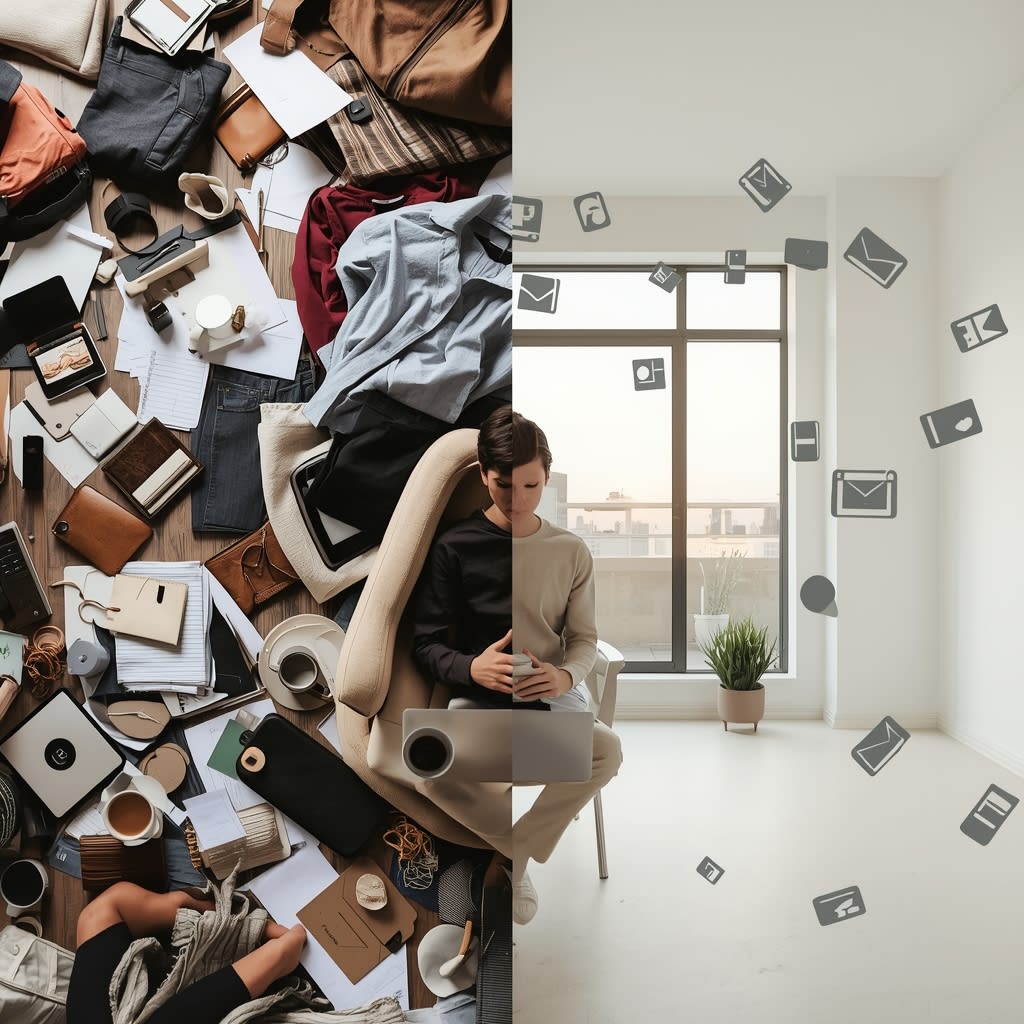
How Simplicity, Intentional Living, and Digital Overload Are Driving a Global Shift
In a world filled with constant noise, endless choices, and overwhelming distractions, minimalism has emerged as a powerful lifestyle movement. More than just a design trend or aesthetic, minimalism represents a shift in how people think about possessions, time, and purpose.
From decluttered homes to simplified routines, millions are embracing the idea that less is more. But why has minimalism become so popular in recent years? The answer lies in a combination of cultural, psychological, and technological changes shaping modern life.
The Rise of Overconsumption
Modern society encourages consumption at every level. Advertising, social media, and online shopping platforms constantly push the idea that more is better—more clothes, more gadgets, more upgrades.
However, this mindset often leads to:
- Cluttered living spaces
- Financial stress
- Decision fatigue
- Emotional overwhelm
People are starting to realize that owning more doesn’t necessarily lead to greater happiness. In fact, it often creates the opposite effect.
Minimalism offers a solution by encouraging individuals to focus only on what truly adds value to their lives.
Digital Overload and Mental Fatigue
One of the biggest drivers of minimalism is digital overload. With smartphones, notifications, emails, and social media, the average person is constantly connected. Platforms like Instagram and TikTok deliver endless streams of content, making it difficult to disconnect.
This constant stimulation can lead to:
- Reduced attention span
- Increased stress
- Mental exhaustion
Minimalism, in this context, extends beyond physical possessions. It becomes a way to simplify digital life—reducing screen time, limiting distractions, and focusing on meaningful activities.
The Desire for Freedom and Flexibility
Another reason minimalism is gaining popularity is the desire for greater freedom.
Owning fewer things means:
- Less to clean and maintain
- Lower expenses
- Greater mobility
This aligns with modern trends like remote work and digital nomad lifestyles. People want the flexibility to move, travel, and adapt without being tied down by excessive belongings. Minimalism supports this by promoting a lighter, more flexible way of living.
Financial Awareness and Economic Pressure
Rising living costs and economic uncertainty have also played a role in the growth of minimalism. Many people are becoming more conscious of their spending habits.Instead of buying impulsively, they are asking:
“Do I really need this?”
Minimalism encourages:
- Intentional spending
- Saving and investing
- Avoiding unnecessary debt
This financial clarity is especially appealing in times of economic instability.
Mental Health and Emotional Well-Being
There is a strong connection between physical clutter and mental stress. A crowded environment can make it harder to focus, relax, and feel at ease.
Minimalism helps by creating:
- Calm, organized spaces
- Reduced visual noise
- A sense of control
Many people report feeling less anxious and more focused after decluttering their surroundings. It’s not just about having fewer things—it’s about creating space for what truly matters.
The Influence of Social Media and Culture
Ironically, social media has played a role in popularizing minimalism. While it often promotes consumption, it has also helped spread minimalist ideas. Clean, simple aesthetics have become highly appealing online. Minimalist homes, wardrobes, and lifestyles are widely shared and admired. This cultural shift has made minimalism more accessible and desirable, especially among younger generations.
Sustainability and Environmental Awareness
As awareness of environmental issues grows, more people are rethinking their consumption habits. Minimalism supports sustainability by encouraging:
- Reduced waste
- Fewer unnecessary purchases
- Mindful consumption
Instead of fast fashion or disposable products, people are choosing quality over quantity. This not only benefits the environment but also leads to more meaningful ownership.
Quality Over Quantity
Minimalism shifts the focus from having more to having better.
Instead of owning multiple low-quality items, individuals invest in:
- Durable products
- Timeless designs
- Items that serve a clear purpose
This approach leads to greater satisfaction and reduces the need for constant replacement.
Time as the Ultimate Priority
One of the most overlooked benefits of minimalism is time.
When you have fewer possessions and commitments, you spend less time:
- Cleaning
- Organizing
- Managing things
This frees up time for:
- Personal growth
- Relationships
- Hobbies and passions
Minimalism helps people reclaim their time and use it more intentionally. Minimalism Is Personal, Not Extreme
It’s important to understand that minimalism doesn’t mean living with almost nothing. It’s not about strict rules or extreme sacrifice. Instead, it’s about:
- Keeping what adds value
- Removing what doesn’t
- Designing a life that aligns with your priorities
For some, that might mean owning very few items. For others, it simply means being more intentional.
Final Thoughts
Minimalism is more than a trend—it’s a response to the complexities of modern life. As people face increasing stress, distractions, and uncertainty, the appeal of simplicity continues to grow. By focusing on what truly matters, minimalism offers a path toward clarity, freedom, and balance. In a world that constantly pushes for more, choosing less has become one of the most powerful decisions a person can make.
Because sometimes, the simplest life is the most fulfilling one
About the Creator
Robert Redford
i create powerful, easy-to-read articles on everything from history and world events to technology, lifestyle, and thought-provoking ideas. If sparks curiosity, I write about it. Always exploring, always delivering something worth reading.
Enjoyed the story? Support the Creator.
Subscribe for free to receive all their stories in your feed.
Comments
There are no comments for this story
Be the first to respond and start the conversation.