
How to stop Anxiety, and start living
Stop Worrying and start living

stop overthinking — and start living
Last year, I began to notice symptoms like bloating, gas, and loss of appetite. It turned out to be an exceptionally protracted period of illness for a normally healthy person like me. After reading a dozen web articles about the symptoms, I began to question whether I had cancer or another disease.
I discussed my concerns with my father. He works as a doctor, treating cancer patients. He asked me to “eat more fibre.” I was disappointed that he did not take me seriously. After a few days of stressing over cancer and death, I eventually consulted a specialist who specialised in intestinal diseases. The doctor, a seasoned expert well into his sixties, listened closely to my complaints. He swiftly diagnosed me with acid reflux, a disorder in which the muscle that connects the stomach to the food pipe weakens. As a result, the stomach acid runs back into the food pipe. The doctor did not sound disturbed and advised me to take some basic precautions — “avoid coffee and don’t add too many spices to food.” I took.
This was not the first time I had fallen into the trap of overthinking. Determined to grasp the problem, I decided to meet with psychologists and uncover why humans are prone to overthinking.
Why does overthinking happen?
Everyone overthinks from time to time. But some people do it more often than others. Some of these people may have anxiety issues, although not everyone does. “There are people who have levels of overthinking that are just pathological,” says clinical psychologist Catherine Pittman, an associate professor in the psychology department at Saint Mary’s College in Indiana. “But the average person also just tends to overthink things.” Pittman also wrote the book “Rewire Your Anxious Brain: How to Use the Neuroscience of Fear to End Anxiety, Panic, and Worry.” Helen Odessky, Psy.D., a clinical psychologist based in Chicago, provides some perspective. “So often people confuse overthinking with problem-solving,” says Odessky, author of “Stop Anxiety from Stopping You.” “But what ends up happening is that we simply sort.

Because we are concerned about the future, we continue to fix problems in our heads,” says David Carbonell, a clinical psychologist and author of “The Worry Trick: How Your Brain Tricks You into Expecting the Worst and What You Can Do About It.” Consider this: you’ve had a disagreement with your boss. You start to freak out and turn on the worry channel. Your thoughts run in a loop like this: What if he fires me? I really wanted to buy a house this year. What happens if I don’t acquire another job? What if this ruins my career? It can really take off.
What’s going on inside your head?
Scientists don’t completely understand the process of overthinking. However, it most likely stimulates the same brain regions as anxiety and terror. The cerebral cortex is where all of our thinking occurs. “It’s the logical part of the brain that can bring up memories and help us think about and anticipate things,” according to Pittman. However, if you allow yourself to concentrate over something — for example, whether your sister is angry with you — you will quickly capture the attention of the amygdala. It is the brain’s emotional centre, and studies have shown that it plays a role in anxiety and terror. That’s when things become dramatic. “According to Pittman, the amygdala makes our hearts pound. “It makes us feel uneasy and gives us muscle tension.” She clarifies that the more you worry about something.
could put yourself at risk of anxiety disorders in the future.
Trick your brain
Overthinking is like a hoover that sucks you in. “It removes us from active participation,” explains Carbonell. “The more we are engaged in overthinking, the less are we actually doing things in the physical environment.” However, it is possible to break free from this thought cycle and reclaim your life. Pittman makes a stunning suggestion. “Telling yourself to not to have a certain thought is not the way to not have the thought,” according to her.”You need to replace the thought.” What if she told you not to think about pink elephants? What will you think about? That’s correct: pink elephants. If you don’t want to think of a pink elephant, imagine a tortoise.
Pittman speculates that there could be a large tortoise crawling with a rose in its mouth. “You’re not thinking about pink elephants now.” She also urges her clients to set aside time for obsessing later. “I often tell them: Can we schedule a time for you to worry from 4 to 5 p.m. and that’s all you do during that time?” Pittman says. You can always revisit the problem of overthinking later if it is truly necessary. Then you may devise a strategy to cope with it. Once you have a plan of action in place, you will be less likely to return to your original concern.
Talk yourself out of it
Developing self-awareness can help you deal with overthinking in the long run. Carbonell proposes a strategy. “Pay a little more attention,” he advises. “Say something like, ‘I’m feeling anxious and uncomfortable.’” Where am I now? Is this all in my head? Perhaps I should go for a walk around the block and see what happens.” You must first recognise that your brain is in overdrive mode before attempting to snap out of it. “Do something in real time and real life rather than sitting and wondering,” Carbonell advises.” Furthermore, in these uncertain times, it can be difficult not to spend an excessive amount of time worrying about the state of the globe. But, let’s admit it: some difficulties are
Consider whether you really need to be thinking about this particular topic. “Will there be a nuclear attack?” “Unless you work for the Pentagon, you don’t have to solve that problem,” adds Odessky. Just keep in mind that you will not be able to overcome your overthinking behaviour in a few days. However, with repeated practice, you will teach your mind to remain calm in stressful situations rather than going into overdrive.Others must solve.
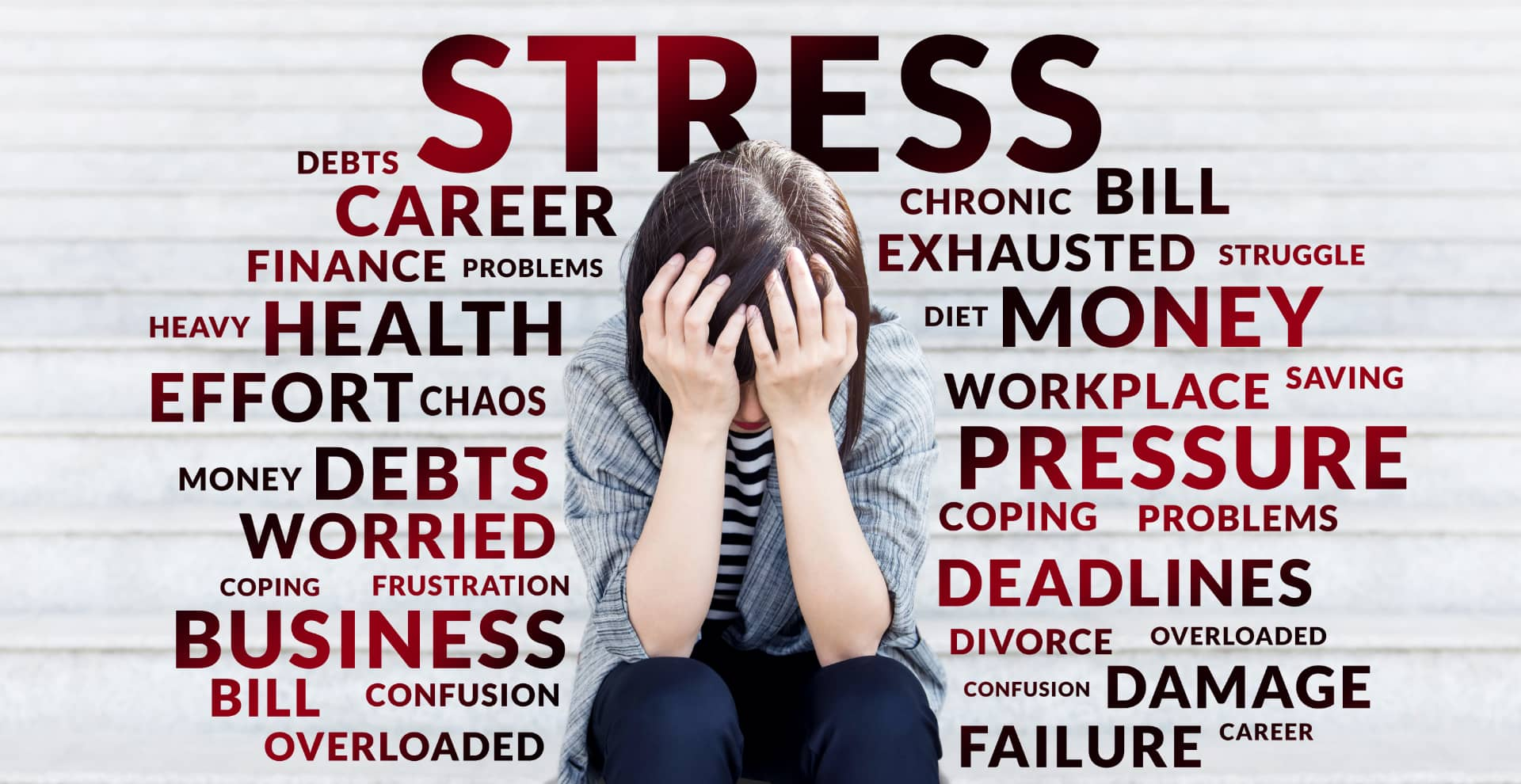
Managing anxiety
Anxiety is often described as a feeling of fear or unease — and it’s something everyone experiences at times. Feeling anxious is a perfectly natural reaction to some situations.
Anxiety can help us to focus or take extra care when needed, but if it gets too much or goes on for a while, it can affect our daily life.
Luckily, there are ways to deal with anxiety that really work, and spotting the signs of anxiety is the first step.
Find out about common symptoms of anxiety, possible reasons for it and what to do when you’re anxious. Plus sign up for our anxiety-easing email programme to get expert advice on dealing with anxiety.
What is anxiety?
Anxiety is typically a natural response to stress, fear, or threat, and can manifest in how we feel physically, intellectually, and behave.
Anxiety is commonly described as a sense of dread, worry, or unease that can range from minor to severe.
Anxiety might become an issue if we start worrying excessively about minor details or relatively insignificant circumstances.
When our anxiety becomes really severe or overwhelming,
Begins to interfere with our daily lives and our relationships.
Signs or symptoms of anxiety
Anxiety can influence our mind, body, and conduct; for example, we may become tearful, experience stress headaches, or begin to avoid activities or people that cause anxiety.
Common signs of anxiousness include:
Feeling exhausted, restless, or irritable
Symptoms may include shakiness, dizziness, and increased sweating, as well as difficulty concentrating and making judgements.
Problems sleeping
Worrying about the past or future, or expecting something awful to happen
Headaches, stomachaches, or muscle pain
Dry mouth, pins and needles.
When you begin to feel worried, you may notice that your heartbeat becomes stronger, faster, or irregular, or you grow short of breath.
What causes anxiety?
Anxiety affects everyone of us uniquely, and if you asked 100 people what it meant to them, you’d likely get 100 different replies.
Sometimes there are no visible triggers, making it difficult to determine what causes anxiety, which can be upsetting or stressful on its own.
Everyone’s anxiety levels differ. Some people discover more stressful situations and face more problems in life than others, leading to increased anxiety.
Tips for Managing Anxiety
Try incorporating these self-care strategies into your daily routine, as doing so on a regular basis can have a significant impact.
Shift your focus
Some people find that mindfulness and meditation (including breathing exercises and relaxation) assist to relieve anxiety and tension by focused attention on the present moment.
Try self-help techniques
cognitive behavioural therapy (CBT) can help you deal with worries, anxiety and unhelpful thoughts by working through problems in new ways and helping you build resilience.
Understand your anxiety
Keeping a diary of what you are doing and how you feel at different times may help you understand why you’re anxious and identify ways to manage or get rid of anxiety.
Make time for worries
If anxiety or worry are taking over your day, try scheduling a daily “worry time” to address your worries. Doing this at a consistent time each day can help you focus on other tasks.
Face your fears gradually
Avoiding situations or relying on habits we think will keep us safe might actually make our anxiety worse. Slowly facing up to a situation might help
Anxiety is a feeling of worry, nervousness, or unease, often about an imminent event or something with an uncertain outcome. It can manifest as restlessness, increased heart rate, sweating, or difficulty concentrating. While it’s a normal response to stress, chronic anxiety can interfere with daily life and may require treatment.
Managing anxiety involves a combination of strategies that target both the mind and body. Here are some effective approaches:
Practice Mindfulness and Relaxation Techniques
Deep Breathing: Slow, deep breaths can help calm the nervous system.
Meditation: Focused meditation, even for a few minutes a day, can reduce anxiety.
Progressive Muscle Relaxation: Tensing and then slowly relaxing each muscle group in the body can ease physical tension.
Exercise Regularly
Physical activity releases endorphins, which are natural mood lifters. Activities like walking, jogging, yoga, or swimming can help reduce anxiety.
Maintain a Healthy Lifestyle
Sleep: Aim for 7–9 hours of quality sleep per night.
Diet: Eat balanced meals and avoid excessive caffeine or sugar, which can exacerbate anxiety.
Limit Alcohol and Nicotine: These can increase anxiety and disrupt sleep.
Challenge Negative Thoughts
Identify and replace irrational or catastrophic thoughts with more realistic ones. Cognitive-behavioral techniques can be particularly helpful for this.
Set Realistic Goals
Break tasks into smaller, manageable steps and prioritize them. This reduces the feeling of being overwhelmed.
Build a Support System
Talk to friends, family, or a therapist about your feelings. Joining a support group can also provide relief and a sense of community.
Learn to Say No
Avoid taking on too many responsibilities or committing to things that cause unnecessary stress.
Seek Professional Help
If anxiety is severe or persistent, consider speaking to a mental health professional. Therapy, such as cognitive-behavioral therapy (CBT), and medication, if necessary, can be effective treatments.
Limit Exposure to Stressors
Identify and reduce exposure to triggers, whether it’s too much news, stressful social media, or certain environments.
Practice Gratitude
Focusing on what you’re thankful for can shift attention away from anxiety-provoking thoughts.
These strategies can help manage anxiety effectively, but it’s important to find what works best for you.
About the Creator
Enjoyed the story? Support the Creator.
Subscribe for free to receive all their stories in your feed.
Comments
There are no comments for this story
Be the first to respond and start the conversation.