
How Minimalism Helped Me Find Freedom and Focus
Why Owning Less Made Room for What Matters Most

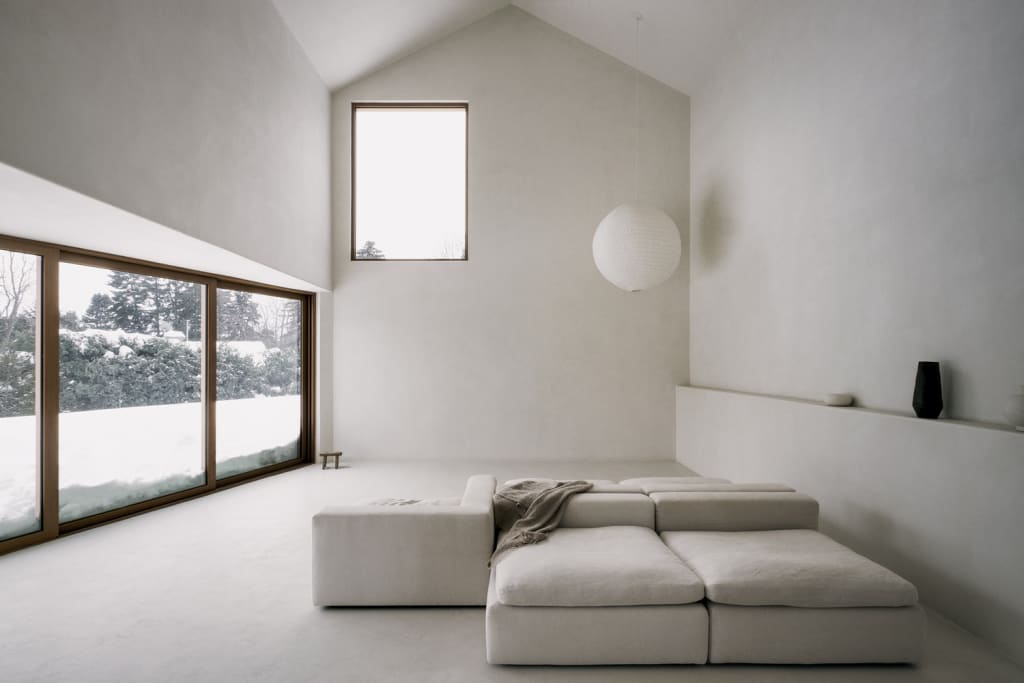
I never thought of myself as a minimalist. In fact, I used to take pride in owning a lot of stuff clothes, gadgets, decorations, you name it. But over time, my things started to feel more like a burden than a blessing. My home was cluttered, my mind was scattered, and my wallet was constantly empty. That’s when I decided to give minimalism a try. What started as a small experiment turned into a life-changing journey. Here’s how it happened.
Step 1: Realizing the Cost of Clutter
One day, I looked around my apartment and felt overwhelmed. My closet was overflowing, my shelves were packed, and I could never seem to find what I needed. I realized that my stuff wasn’t just taking up space it was taking up my time and energy, too. That’s when I decided to declutter.
Step 2: Starting Small
I began with one drawer. I pulled everything out, sorted it into keep, donate, and discard piles, and only kept the items I truly needed or loved. Seeing that first tidy space gave me a sense of accomplishment and motivated me to keep going. Over the next few weeks, I tackled my closet, kitchen, and even my digital files.
Step 3: Defining “Enough”
Minimalism isn’t about owning nothing it’s about owning enough. I asked myself what “enough” looked like for me. Did I need 10 pairs of jeans? Five sets of dishes? The answer was usually no. By keeping only what added value to my life, I found a sense of clarity and peace.
Step 4: Focusing on Quality Over Quantity
When I stopped buying things impulsively, I had more money to invest in quality items that lasted longer and brought me joy. I bought a durable coat instead of three cheap ones and invested in a few timeless decor pieces that made my home feel inviting. This shift saved me money in the long run and reduced waste.
Step 5: Letting Go of Sentimental Items
The hardest part of decluttering was letting go of sentimental items. I realized that the memories attached to these objects didn’t disappear when the items did. I kept a few meaningful pieces and took photos of the rest. This way, I could still revisit the memories without holding onto the clutter.
Step 6: Embracing Experiences Over Things
Minimalism taught me to value experiences over possessions. Instead of buying more stuff, I started spending money on things that enriched my life, like trips, classes, and time with loved ones. These experiences brought me more joy and fulfillment than any object ever could.
Step 7: Reaping the Benefits
Living with less has given me so much more: more time, more clarity, and more freedom. My home feels spacious and calming, my finances are in better shape, and my mind is less cluttered. I’ve learned that minimalism isn’t about deprivation it’s about making room for what truly matters.
The End Result
Minimalism isn’t a one-size-fits-all solution, but it’s a mindset that can benefit anyone. If you’re feeling overwhelmed by stuff or searching for more meaning in your life, consider giving it a try. Start small, focus on what adds value, and let go of the rest. You might just find the freedom and focus you’ve been looking for.
About the Creator
Enjoyed the story? Support the Creator.
Subscribe for free to receive all their stories in your feed.
Comments
There are no comments for this story
Be the first to respond and start the conversation.