
Consistency Is Not Discipline — It’s Environment Design
You don’t fail because you lack discipline. You fail because your environment makes success difficult.

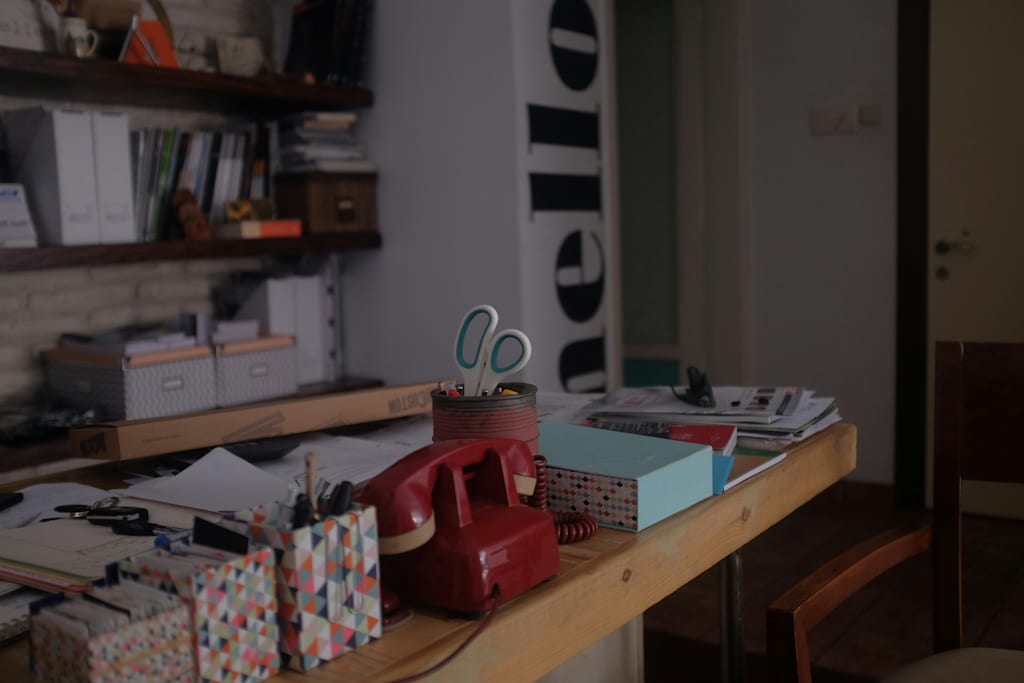
Consistency Is Not Discipline — It’s Environment Design
Introduction: The Misleading Advice
“Be more disciplined.”
It’s one of the most common pieces of advice in self-improvement.
If you want to succeed:
Be consistent.
Stay focused.
Push yourself harder.
It sounds logical.
But it misses something critical.
Consistency is not just about discipline.
It is about environment.
Why Discipline Alone Fails
Discipline requires effort.
And effort is limited.
You can force yourself for a while.
A few days.
A few weeks.
But over time, resistance builds.
Fatigue increases.
And eventually, discipline breaks.
Not because you are weak.
But because willpower is not designed for constant use.
The Hidden Force: Your Environment
Your environment shapes your behavior more than your intentions.
It influences:
What you see
What you do
What you repeat
Most of your daily actions are not conscious decisions.
They are automatic responses to your surroundings.
Behavior Is Context-Driven
You don’t act in isolation.
You react to cues.
A phone nearby triggers checking.
A messy desk triggers distraction.
A comfortable couch triggers rest.
These cues guide your behavior without you noticing.
Why You Feel “Inconsistent”
Many people think they lack consistency.
But what they actually lack is a supportive environment.
If your environment:
Encourages distraction
Creates friction for good habits
Provides easy access to bad habits
Then inconsistency is the expected outcome.
Make Good Habits Easy
The key principle of environment design is simple:
Make the right behavior easy.
If something is easy, you are more likely to do it.
If something is difficult, you are less likely to do it.
Reduce Friction for Positive Actions
Want to exercise more?
Prepare your workout clothes in advance.
Want to read more?
Keep a book within reach.
Want to focus?
Create a dedicated workspace.
Small changes reduce friction.
Increase Friction for Negative Habits
At the same time, make unwanted behaviors harder.
Move distracting apps away.
Log out of platforms.
Create barriers.
Friction works both ways.
Environment Over Willpower
If you rely on willpower, you fight yourself every day.
If you design your environment, you reduce the need to fight.
One approach drains energy.
The other conserves it.
The Power of Default Behavior
Most of your actions follow the path of least resistance.
This is your default behavior.
Your environment defines that default.
If your default is productive, consistency becomes natural.
Why Some People Seem Effortless
Some people appear highly disciplined.
But often, their environment supports their behavior.
They have:
Structured routines
Optimized spaces
Clear systems
What looks like discipline is often design.
Small Changes, Big Impact
Environment design does not require drastic changes.
Small adjustments can create significant impact over time.
Because they affect repeated behavior.
Consistency Without Burnout
When your environment supports you:
You use less willpower
You feel less resistance
You maintain consistency longer
This reduces burnout.
Designing Your Environment Intentionally
Ask yourself:
What in my environment supports distraction?
What creates friction for my goals?
What can I simplify?
Then adjust.
You Don’t Need to Be Stronger
Many people think they need more discipline.
More strength.
More control.
But often, they need better design.
Because success should not depend on constant struggle.
Conclusion: Build Systems That Support You
Consistency is not about forcing yourself every day.
It is about creating conditions where the right action is easier.
Design your environment.
Reduce friction.
Support your goals.
And consistency will follow.
About the Creator
Enjoyed the story? Support the Creator.
Subscribe for free to receive all their stories in your feed.
Comments
There are no comments for this story
Be the first to respond and start the conversation.