
The New Jersey Hantavirus Alert: How to Protect Your Family from This Rare but Deadly Virus
Hantavirus
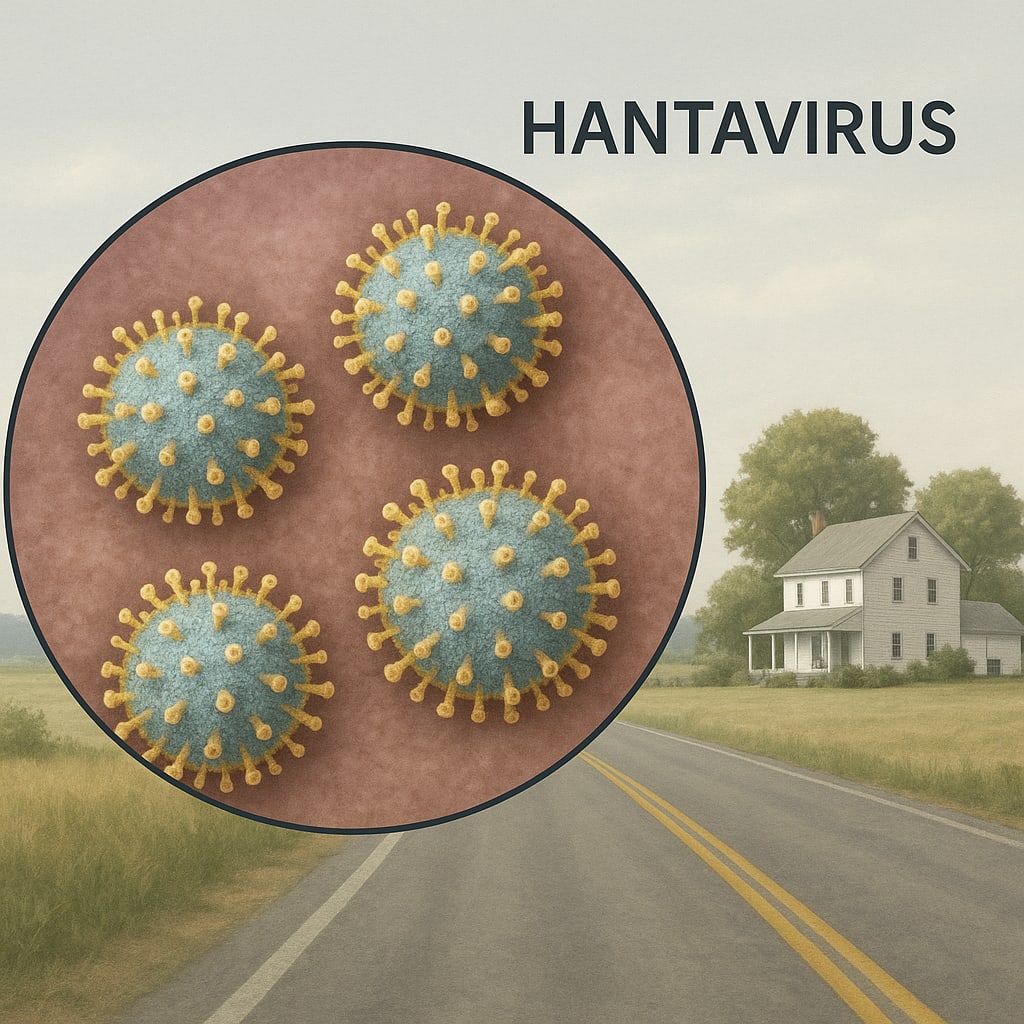
Recent headlines across the Garden State have sparked a wave of concern as health officials in New Jersey issued an alert regarding Hantavirus. While the virus is rare, its high mortality rate and the nature of its transmission make it a significant public health concern. As families prepare for seasonal cleaning and outdoor activities, understanding the risks and taking proactive steps to safeguard your home is more important than ever.
What is Hantavirus?
Hantavirus is a family of viruses spread mainly by rodents. In North America, the primary concern is Hantavirus Pulmonary Syndrome (HPS), a severe, sometimes fatal, respiratory disease. According to the Centers for Disease Control and Prevention (CDC), HPS was first recognized in 1993, and while cases are infrequent, the impact on those infected is profound.
The virus does not spread from person to person. Instead, it is a zoonotic disease, meaning it jumps from animals to humans. In New Jersey and throughout the eastern United States, the white-footed mouse is the most common carrier, though other rodents like the deer mouse and the cotton rat can also harbor the virus.
How the Virus Spreads
Understanding how Hantavirus is transmitted is the first step in prevention. The virus is shed in the urine, droppings, and saliva of infected rodents. Humans typically become infected through a process called "airborne transmission."
When rodent nests or waste are disturbed—for example, during the cleaning of a dusty basement, attic, or shed—the virus can become aerosolized. Tiny droplets containing the virus enter the air, and if a person breathes in that contaminated air, they can contract the disease. Infection can also occur through direct contact with rodent waste followed by touching one’s nose or mouth, or, more rarely, through a rodent bite.
Symptoms to Watch For
One of the most challenging aspects of Hantavirus is that its early symptoms closely mimic those of common illnesses like the flu or even COVID-19. This can lead to delays in seeking life-saving medical attention.
Early Symptoms (1 to 8 weeks after exposure):
Fever and Chills: Sudden onset of high fever.
Muscle Aches: Particularly in the large muscle groups like the thighs, hips, and back.
Fatigue: Intense tiredness that seems out of proportion to daily activity.
Digestive Issues: Some patients experience abdominal pain, nausea, vomiting, or diarrhea.
Late Symptoms (4 to 10 days after the initial phase):
As the disease progresses, it attacks the lungs, leading to:
Shortness of Breath: A feeling of suffocation as the lungs fill with fluid.
Coughing: Persistent and worsening.
Tightness in the Chest: Difficulty taking deep breaths.
The mortality rate for HPS is approximately 38%, making early diagnosis and aggressive supportive care in a hospital setting absolutely critical.
Protecting Your Family: Practical Prevention Steps
With health officials on high alert, New Jersey homeowners should take the following steps to minimize the risk of rodent exposure and Hantavirus infection.
1. Seal Up Your Home
Rodents can squeeze through holes as small as a nickel. Inspect your home for gaps around pipes, under doors, and in the foundation. Use steel wool, caulk, or metal flashing to seal these entry points.
2. Clean Up Potential Food Sources
Don’t invite rodents in for a snack. Store all pet food and pantry items in airtight, chew-proof containers. Keep your kitchen counters clean and ensure that trash cans have tight-fitting lids. Outside, remove woodpiles and debris that are close to the house, as these provide ideal nesting spots.
3. Practice Safe Cleaning
If you discover rodent droppings or nesting material, do not sweep or vacuum them. This will only kick the virus into the air. Instead:
Wear Protection: Use rubber or plastic gloves and, if possible, an N95 mask.
Disinfect First: Spray the area with a mixture of bleach and water (1 part bleach to 10 parts water) or a commercial disinfectant. Let it soak for at least 5 minutes.
Wipe, Don’t Sweep: Use paper towels to pick up the waste and dispose of them in a sealed bag.
Mop the Area: After the waste is removed, mop the surrounding floor with disinfectant.
What to Do If You Suspect Exposure
If you develop a fever and respiratory issues after being in an area where rodents were present, seek medical attention immediately. Be sure to tell your healthcare provider about the potential rodent exposure. Because Hantavirus is rare, doctors may not initially consider it unless they are alerted to the possibility of contact with mice or rats.
Conclusion
While the New Jersey Hantavirus alert is a cause for vigilance, it is not a cause for panic. By understanding the mechanics of the virus and taking common-sense steps to "rodent-proof" your living spaces, you can significantly reduce the risk to your family. Knowledge is the best defence against this rare but deadly silent threat.
About the Creator
Enjoyed the story? Support the Creator.
Subscribe for free to receive all their stories in your feed.
Comments
There are no comments for this story
Be the first to respond and start the conversation.