
The Hidden Dangers of Ultraprocessed Foods
Time for a Dietary Revolution
Introduction
In today’s fast-paced world, convenience often trumps health, leading to an alarming rise in the consumption of ultraprocessed foods. These foods, which now make up a significant portion of the global diet, are not only devoid of essential nutrients but are also linked to severe health risks. Recent studies show that in many developed countries, ultraprocessed foods contribute to more than half of the daily caloric intake, posing a silent but significant threat to public health.
What Are Ultraprocessed Foods?
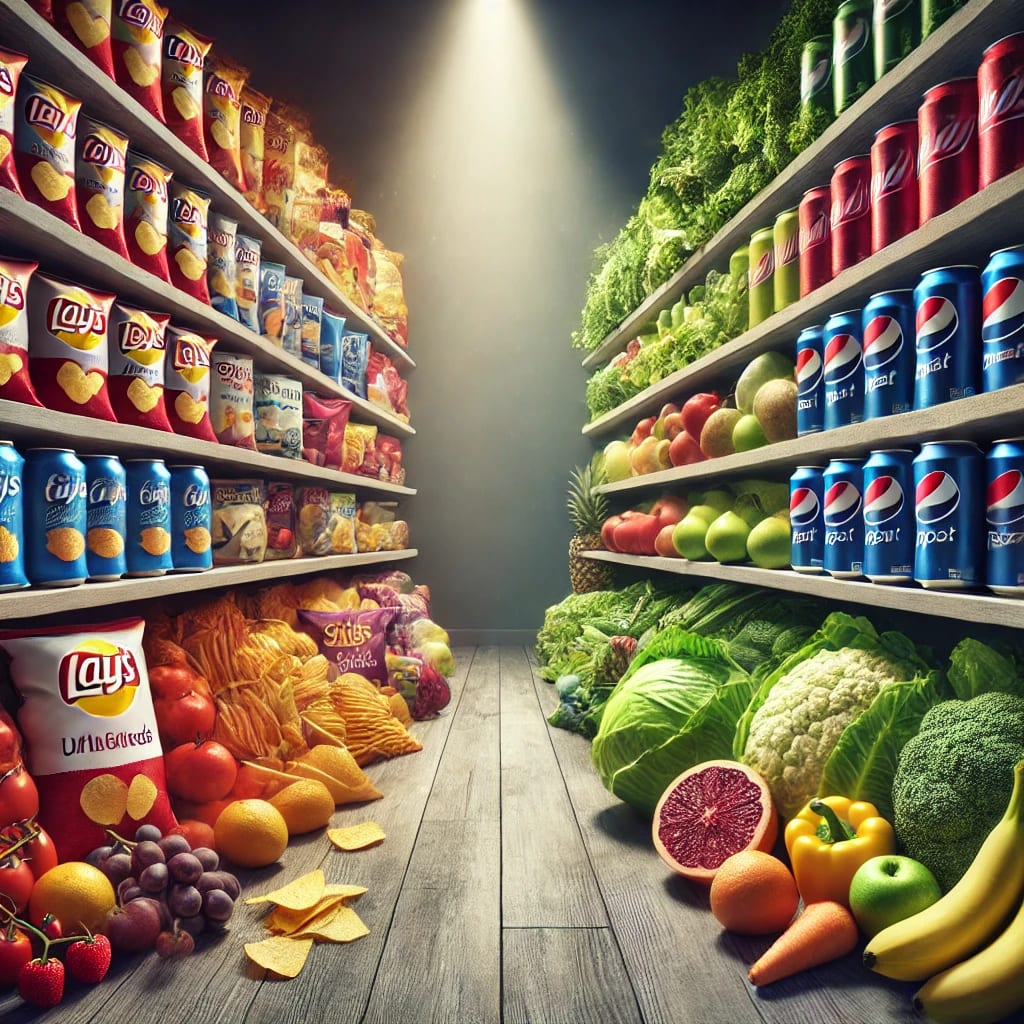
Ultraprocessed foods are items that have undergone extensive industrial processing, stripping them of natural ingredients and replacing them with artificial flavors, colors, emulsifiers, and preservatives. Common examples include sugary snacks, sodas, instant noodles, and packaged baked goods. These products are engineered to be hyper-palatable, meaning they are designed to be irresistibly tasty, often leading to overconsumption. This combination of low nutritional value and high calorie content makes ultraprocessed foods particularly harmful when consumed regularly.
The accessibility and affordability of these foods contribute to their widespread consumption. Fast food chains, grocery stores, and even vending machines are stocked with products that fall into this category, making them difficult to avoid, especially for those with limited time or resources. Furthermore, aggressive marketing strategies target consumers of all ages, making ultraprocessed foods an ingrained part of modern dietary habits.
The Health Implications of Ultraprocessed Foods
The convenience of ultraprocessed foods comes at a high cost to our health. These foods are typically high in unhealthy fats, sugars, and salt, while being low in essential nutrients like fiber, vitamins, and minerals. The regular consumption of ultraprocessed foods has been strongly linked to a range of health issues, including obesity, type 2 diabetes, heart disease, and even certain types of cancer.
The way these foods affect the body goes beyond just the scale. For instance, the excessive sugar content in many ultraprocessed foods can lead to insulin resistance, a precursor to diabetes. Similarly, the high levels of sodium can contribute to hypertension, increasing the risk of stroke and heart attack. Additionally, many of these foods contain artificial additives, some of which have been associated with adverse health effects over long-term consumption.
A growing body of research indicates that these foods may also negatively impact mental health. Diets high in ultraprocessed foods have been associated with increased rates of depression, anxiety, and cognitive decline. This is believed to be due to the inflammatory effects these foods can have on the brain, as well as their tendency to displace nutrient-dense whole foods that are critical for brain health. For example, a lack of omega-3 fatty acids, which are found in abundance in certain whole foods but absent in ultraprocessed ones, has been linked to depressive symptoms.
The Social and Environmental Impact
Beyond individual health, the production and consumption of ultraprocessed foods have broader social and environmental implications. The industrial processes used to create these foods often involve the exploitation of natural resources, contributing to environmental degradation. The packaging of ultraprocessed foods, much of which is plastic, leads to significant waste, further exacerbating environmental issues.
Moreover, the global reach of ultraprocessed foods has led to the homogenization of diets, where traditional and culturally significant foods are being replaced by Western-style processed products. This shift not only affects health outcomes but also erodes cultural identities and food sovereignty.
Making the Shift: How to Reduce Ultraprocessed Foods in Your Diet
While the ubiquity of ultraprocessed foods can make them hard to avoid, there are practical steps you can take to minimize their presence in your diet:
1. Read Labels Carefully: Start by reading the ingredient lists on packaged foods. If you see a long list of unrecognizable ingredients, it's likely ultraprocessed. Ingredients such as high-fructose corn syrup, hydrogenated oils, and artificial preservatives are red flags.
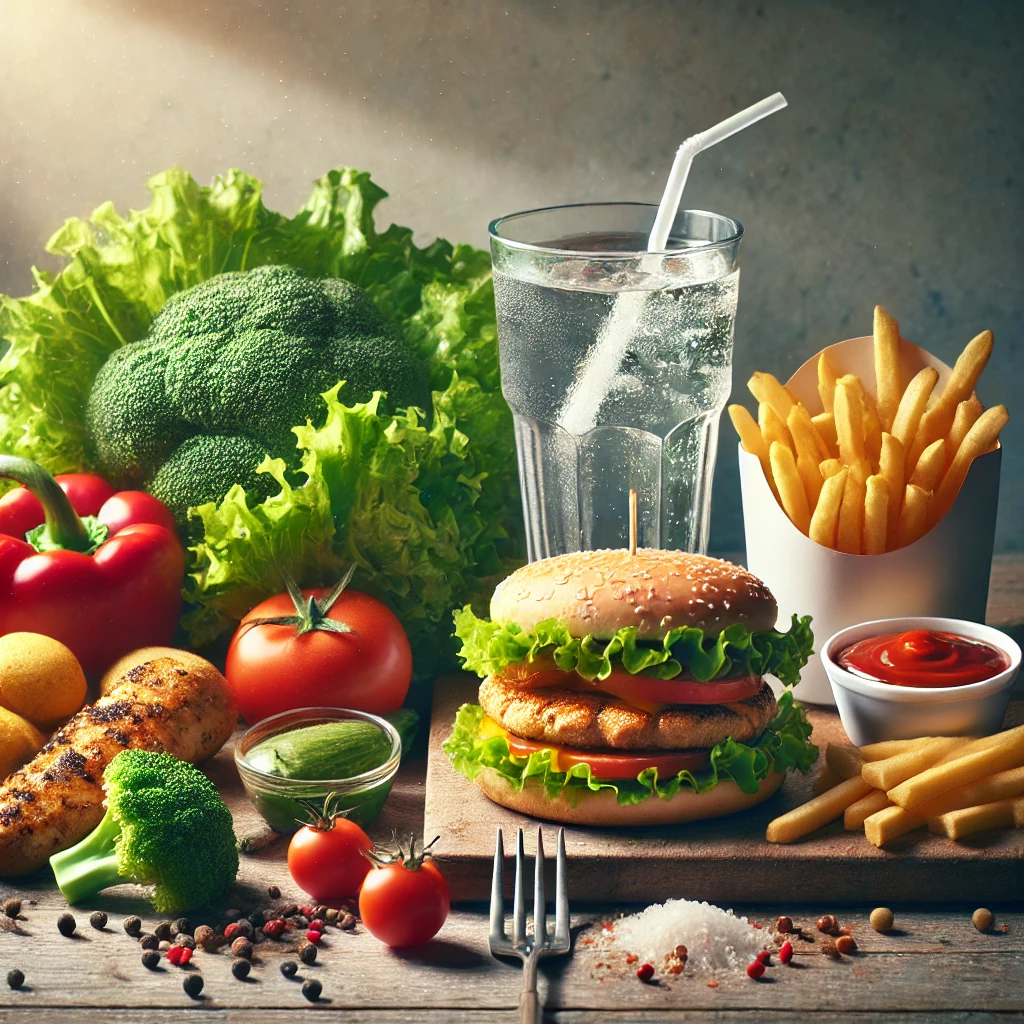
2. Cook at Home: Preparing meals from scratch allows you to control what goes into your food. Focus on whole, minimally processed ingredients like fresh vegetables, lean proteins, and whole grains. Not only is home cooking healthier, but it also allows you to reconnect with food in a more meaningful way.
3. Plan Your Meals: Meal planning helps you avoid the temptation of grabbing processed foods on the go. Preparing meals in advance ensures you have healthy options ready when you’re short on time. Consider dedicating a day each week to meal prep, which can make healthy eating more convenient.
4. Healthy Swaps: Replace common ultraprocessed foods with healthier alternatives. For example, swap sugary cereals for oatmeal, or choose nuts and fruit over packaged snacks. Making small, sustainable changes over time can lead to significant improvements in your overall diet.
Conclusion
The rise of ultraprocessed foods in our diets is a concerning trend with serious implications for both physical and mental health. By making conscious choices to reduce our intake of these foods and focusing on whole, nutritious alternatives, we can take significant steps toward improving our overall well-being. The journey to better health starts with informed choices, and by prioritizing whole foods, you’re not just improving your diet—you’re investing in a healthier future.
Call to Action
Are ultraprocessed foods a staple in your diet? Consider trying a week without them and see how you feel. Share your experiences and any challenges you face in the comments below—we're all in this journey to better health together!
---
Reference: This article was inspired by coverage from AP News. For further details, you can read the full article [here](https://apnews.com/article/ultraprocessed-foods-healthy-diet-0501eb985016149541e6cc727e55dfea)
About the Creator
Enjoyed the story? Support the Creator.
Subscribe for free to receive all their stories in your feed.
Comments
There are no comments for this story
Be the first to respond and start the conversation.