
Scientists believe they understand why irregular sleep patterns may encourage inflammation in the brain.
Disruptive patterns

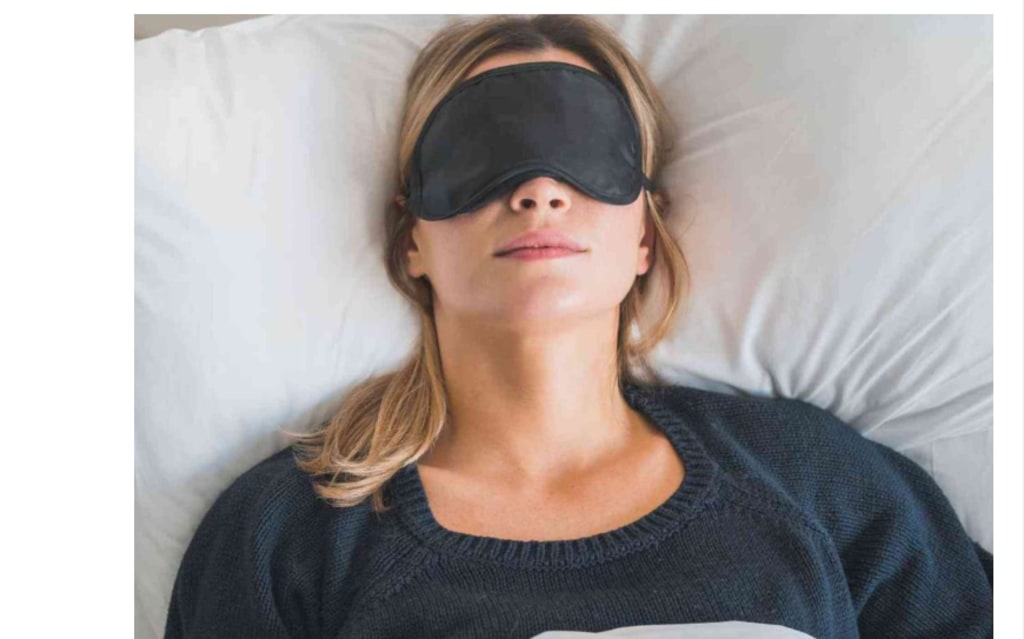
Regaining a regular sleep routine should aid in the body's recuperation. It makes sense to assume that the body is damaged by irregular hours and repaired by regular ones. When erratic sleep patterns stop, the brain, like the rest of the body, recalibrates. This may not be the case, though, according to recent mouse studies.
Months after returning to normal, animals who had been on a rotating schedule in their early adulthood displayed marked cognitive ageing. Researchers had never linked the signal carried by their immune systems to the brain.
Disruptive patterns
The research was conducted in a lab at Texas A&M University (TAMU) under the direction of Dr. Karienn A. de Souza. She went out to investigate if circadian rhythm disruption alone could hasten cognitive deterioration with her colleague David Earnest.
The team created a mouse model to simulate the type of interruption that rotating workers encounter. One group's cage lights were advanced by 12 hours every five days for 80 days during the early stages of adulthood. A control group experienced a constant cycle.
The disturbed mice resumed their regular routine for roughly seven months following the 80-day period. Then, at a medium age of about 13 to 14 months in mouse years, the team assessed both groups. The same group's previous studies had demonstrated a link between cognitive issues and irregular sleep patterns.
Circadian chaos's effects
On the Barnes maze, a memory challenge that requires mice to locate an escape hole using visual clues, the middle-aged mice with disturbed sleep histories performed poorly. They wandered and their trails grew longer. Their results were more in line with mice that were almost twice their age.
That's what made this work superior to earlier research. Rotating schedules have long been thought to increase cognitive risk, according to researchers. However, prior to testing, these mice had returned to a stable cycle for seven months. The harm persisted.
The cognitive scores of the disrupted middle-aged animals fell within the same range as those of normally aged mice with stable circadian cycles. In terms of mice, early disturbance seemed to hasten mental decline by several months.
The body's inflammation
The team examined the immune system to determine why. The spleens of disrupted mice had almost 40% more B cells, the white blood cells essential to the immunological response.
An hyperactive immune system is typically indicated by that type of growth. More information was revealed by the markers on those B cells. Signs of inflammation and activation were seen in higher quantities.
On the other hand, a distinct collection of markers associated with anti-inflammatory function decreased. Additionally, there was a decrease in regulatory T cells, which reduce immunological responses.
There was a definite association. A mouse's performance in the maze decreased with the number of B cells it carried. Months after the lights had returned to normal, this pattern continued in individual animals as well as in the group averages.
Brain dysregulation
Nearer to home, the same inflammatory pattern appeared. The mice with irregular sleep patterns had greater percentages of activated, inflammatory B cells in the thin membranes surrounding the brain than the controls.
The microglia inside the hippocampus, which is responsible for spatial memory, have altered. The immune cells that live in the brain are called microglia. They maintain the health of neurones, patrol tissue, and remove damage. The delicate, branching shapes of healthy microglia have slender arms that extend outward to sense their environment.
They had more branches wrapped around the cell body and were bigger and rounder in the disturbed mice. They looked like cells that had abandoned their typical surveillance function.
Changing brain cells
This condition is referred to by researchers as "stress-primed." Although the cells are more numerous, their appearance implies that they might not be carrying out the cleansing tasks that healthy microglia do.
Previous research has connected comparable alterations to the buildup of aberrant proteins and cellular debris in the brain. Here, Souza's crew is cautious. The pictures depict the cell's appearance rather than its actual behaviour.
The next question is what those altered cells are actually doing to the surrounding tissue. This work shows that circadian disruption alone can stimulate the brain's immune system in this way for the first time in a controlled animal. Obesity, genetic risk, and other issues were not necessary. After the timetable returned to normal, the change persisted for several months.
Future modifications
According to Souza, environmental factors account for about 97% of Alzheimer's risk rather than genes. This makes regular sleep one of the measurable lifestyle factors, along with diet and exercise. It becomes a potentially actionable risk factor as a result.
Unpredictable schedules in early adulthood seems to condition the immune system in mice for chronic inflammation. This puts prevention far ahead of what is now possible with dementia screening. By their 40s, many individuals are already receiving cardiovascular risk counselling from doctors.
Sleep habits can come up in the same discussion. Her group is investigating the potential of stem-cell-derived particles to prevent microglia from going into the stress-primed state. The goal is to address inflammation before it manifests as a decrease. Sleep regularity may become another long-term risk factor worth addressing decades before dementia symptoms manifest if the results hold true in humans.
About the Creator
Enjoyed the story? Support the Creator.
Subscribe for free to receive all their stories in your feed.
Comments
There are no comments for this story
Be the first to respond and start the conversation.