
Researchers created a medication to help people lose weight that infiltrates cells like a Trojan horse.
Evidence that it remains targeted

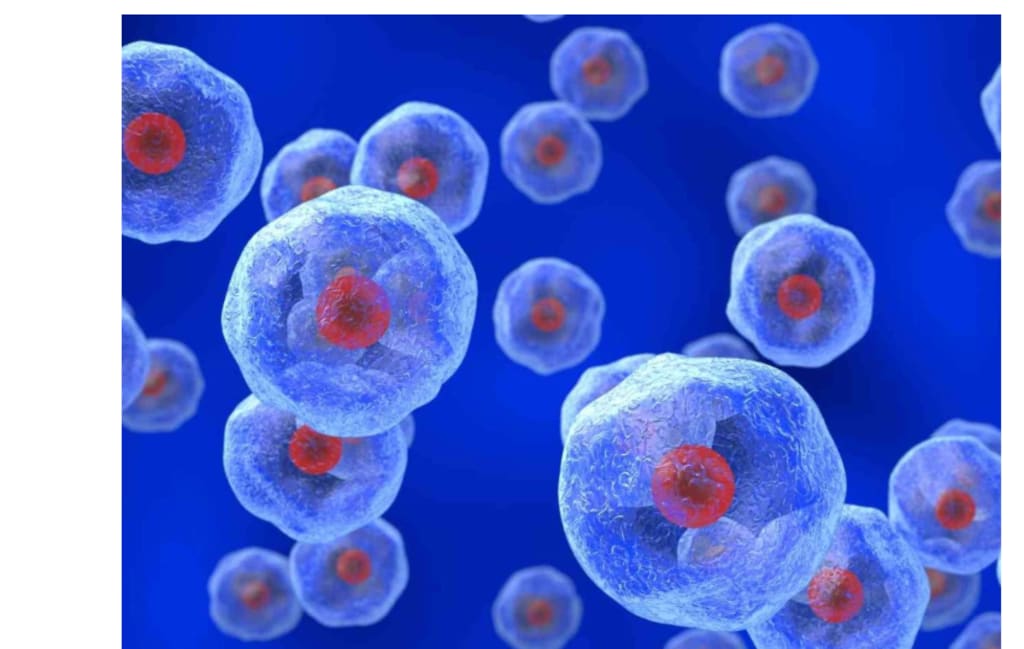
The cell surface is where the weight-loss medications that are currently available to millions of people work. A drug never penetrates the cell when a molecule attaches itself to a receptor and the receptor sends out a signal. A German team examined the identical receptors in a different way and discovered what others had missed. In addition to sending out a signal, binding to a receptor can draw the medication into the cell.
A second traveller
Professor Timo D. Müller, who oversees the Institute for Diabetes and Obesity at Helmholtz Munich, conducted a lab that provided that insight. His team investigates how the body uses fuel. The public's familiar shots depend on incretin hormones. After a meal, the gut produces these signals to reduce hunger and maintain blood sugar levels.
The majority of the work is done by GLP-1 and GIP. Müller's group intended to supplement the mixture with a second, more potent medication. It triggers a group of regulatory proteins that aid in managing the body's sugar and fat metabolism.
Since such regulators are present in almost every tissue, striking them anywhere could have unfavourable effects. In a previous work, the team demonstrated a solution that would enable a gut hormone to transport the medication only in the appropriate locations.
Focusing on the appropriate cells
Lanifibranor, a medication being tested for fatty liver disease, was directly linked to an incretin component for the novel molecule. The design was dubbed an "address label with cargo."
On the surface of certain cells, the incretin end attaches itself to GLP-1 or GIP receptors. When that happens, the cell seems to draw the entire package inward, allowing the second medication to function within.
The team used a fraction of the typical amount—nearly 7,000 times less than standalone versions require—because the medicine only functions where those receptors are located. This significantly reduces the amount of medication that is released into the body.
Better than the medications of today
The hybrid outperformed the field when tested on mice fed a rich diet that increased their weight. Compared to semaglutide, it caused increased weight reduction, decreased food intake, and lowered blood sugar.
Additionally, the hybrid outperformed a dual medication that simultaneously copies GIP and GLP-1. This is similar to the two-hormone strategy that previously defeated semaglutide in a human experiment.
It nonetheless prevailed over that more formidable opponent. The mice did not move more or burn more calories as a result of that additional weight loss. While the comparison medications levelled out, they continued to lose weight by simply eating less.
An advantage that goes beyond weight
There was one particular outcome that the previous medications were unable to replicate. The researchers questioned whether the combination improved blood sugar levels solely through fat reduction or if it also performed other functions.
They conducted a meticulous test. Food was rationed until both groups weighed precisely the same. One group received the hybrid, while the other received the two-hormone medication. The two groups had varied blood-sugar levels even though they were the same weight.
Compared to their weight-matched twins, the hybrid mice still managed glucose better and had lower fasting blood sugar. This implies an actual increase in insulin sensitivity rather than a result of losing weight. The combination also reduced the inflammation in the liver that is largely responsible for the negative effects of obesity.
Avoiding the consequences
That medication has serious negative effects when taken alone. Lanifibranor improved the liver in a human experiment, however it made the patients overweight and caused fluid to pool in their bodies. All of that was avoided by the targeted version. There was no kidney injury, no fluid accumulation, no anaemia, and no further weight increase.
It did not result in any of the problems that arise when lanifibranor is given without a target. Their hearts pounded more forcefully and with less of the swelling that comes with obesity. This version completely omitted the process of creating new fat cells, which is one way that a conventional version encourages weight growth.
Evidence that it remains targeted
The team utilised mice that were raised without such receptors to confirm that the chemical indeed required them. The hybrid did virtually nothing in those animals. Both weight reduction and blood sugar decline were absent.
The mirror-image test was also conducted. The blood-sugar benefit disappeared but the weight loss persisted when they blocked one of the cellular controls the medication was designed to activate.
One more guarantee came from lean, healthy mice. Their blood sugar and weight were unaffected by the hybrid. This indicates that it doesn't bring healthy bodies below average; rather, it only acts where there is an issue.
Action items for the future
It is evident what the work establishes. A potent medication can only be delivered by a single molecule to the appropriate cells. This outperforms the most popular therapies for obesity in mice while avoiding the typical side effects. Additionally, it provided blood-sugar advantages that went beyond weight loss.
This yielded benefits in mice that have not been consistently demonstrated by conventional obesity medications. The delivery method is a reusable instrument that may be used to deliver other medications to different cells in the same manner. For now, the effort is limited to mice, and it will take years and well-funded partners to transform a lab chemical into a practical medication.
Nevertheless, it offers pharmaceutical companies a fresh approach to target cells where current medications are beneficial while avoiding those where they can be detrimental.
About the Creator
Enjoyed the story? Support the Creator.
Subscribe for free to receive all their stories in your feed.
Comments
There are no comments for this story
Be the first to respond and start the conversation.