
How Stress Is Silently Affecting Your Body
The Hidden Epidemic You Might Be Ignoring

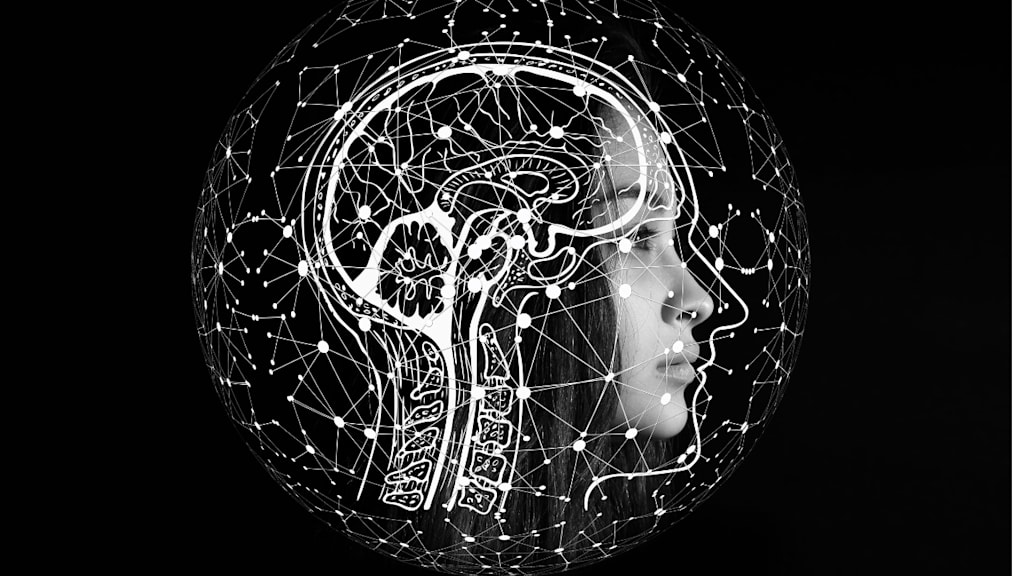
You wake up tired. Your shoulders feel like concrete. Your stomach churns after a simple meal. Your memory seems foggier than last year. You blame aging, bad luck, or that second cup of coffee. But what if one invisible factor is behind all of it?
Stress is not just a feeling. It is a biological earthquake that begins in your brain and ripples through every organ, vessel, and cell. Most people in the West think stress is only about being busy or worried. They wait for a panic attack or insomnia to take it seriously. By then, the silent damage has already been done.
This article walks you through exactly how stress rewires your body without making a sound. You will learn why your gut hates your deadlines, how your arteries suffer in silence, and why “just relaxing” is not a real solution. No traditional Chinese medicine concepts or cultural shortcuts are used here — everything is explained for a global reader.
---
Subtitle 1: The Primitive Alarm That Never Turns Off
Imagine a smoke detector that screams nonstop, even when there is no fire. That is your stress response in modern life.
Deep inside your brain, two tiny glands called the amygdala and hypothalamus act as watchmen. When they detect a threat — a predator, a falling rock, a shouting boss — they instantly activate your sympathetic nervous system. This is the “fight-or-flight” switch. Within seconds, your adrenal glands pump out two hormones: adrenaline and cortisol.
Adrenaline speeds up your heart. Cortisol floods your bloodstream with sugar for quick energy. Your breathing quickens. Your pupils dilate. Blood rushes to your large muscles. This is perfect if you need to outrun a lion.
But here is the problem: your body cannot tell the difference between a lion and a passive-aggressive email. A traffic jam, a mortgage notice, a social media argument — all trigger the same ancient alarm. In the modern Western world, this alarm never shuts off. It just buzzes at a low, constant volume, day and night.
That low hum is chronic stress. And it is eating you from the inside.
---
Subtitle 2: Your Heart and Blood Vessels — A Slow Erosion
Your cardiovascular system is the first silent victim. When cortisol and adrenaline stay high for months, your blood pressure rises. Your heart works harder with every beat. Over time, the inner walls of your arteries develop tiny tears.
Think of your arteries as smooth rubber hoses. Chronic stress makes them stiff and rough. Cholesterol and inflammatory cells stick to those rough patches, forming plaque. This is atherosclerosis — the leading cause of heart attacks and strokes in North America and Europe.
The scariest part? You feel nothing. No chest pain. No shortness of breath. Just a slightly elevated blood pressure reading at your annual checkup, which your doctor might dismiss as “white coat syndrome.” Meanwhile, your arteries narrow silently.
Studies from the American Heart Association show that people with high chronic stress have a 27% higher risk of a heart attack, even if they eat well and don’t smoke. Stress also makes blood more likely to clot. So when a plaque finally ruptures, a clot can block the artery completely. That is a heart attack.
And no, “just calming down” won’t reverse existing plaque. Once the damage is done, it requires medical intervention.
---
Subtitle 3: The Gut-Brain Axis — Why Your Stomach Knows First
Have you ever had “butterflies” before a speech? Or felt nauseous after bad news? That is your gut talking to your brain. They are connected by a superhighway called the vagus nerve.
When stress becomes chronic, this communication turns toxic. Cortisol reduces blood flow to your digestive system — because in fight-or-flight mode, digesting food is not a priority. Your stomach produces less acid. Your intestines move food too fast or too slowly.
The result: bloating, diarrhea, constipation, or acid reflux. Many Westerners are diagnosed with irritable bowel syndrome (IBS) without ever knowing that stress is the real driver.
Worse, chronic stress changes your gut microbiome — the trillions of bacteria that help you digest food and regulate your immune system. Beneficial bacteria die off. Harmful bacteria multiply. This imbalance, called dysbiosis, has been linked to anxiety, depression, and even autoimmune diseases.
A 2021 study in Nature found that stressed mice had completely different gut bacteria profiles than calm mice. When they transplanted the stressed mice’s bacteria into healthy mice, the healthy mice became anxious too. Your gut is not just digesting your lunch — it is shaping your mood.
But here is the Western trap: most people treat gut symptoms with antacids or fiber supplements without addressing the stress. The symptoms go away temporarily, then return. They never connect the dots.
---
Subtitle 4: Your Immune System — A Double-Edged Sword
Cortisol is a powerful anti-inflammatory. In short bursts, that is helpful. But chronic cortisol actually suppresses your immune system’s first line of defense.
You might notice that you catch more colds during stressful months. Or that a small cut takes forever to heal. That is cortisol inhibiting the production of lymphocytes — white blood cells that fight infections.
But here is the cruel twist: while suppressing the good parts of your immune system, chronic stress also triggers low-grade, systemic inflammation. This is not the redness and swelling you see on a wound. This is silent inflammation inside your arteries, joints, and even your brain.
Silent inflammation is linked to rheumatoid arthritis, psoriasis, inflammatory bowel disease, and even Alzheimer’s. A 2018 study from the University of California found that caregivers of dementia patients — people under extreme chronic stress — had immune cells that aged 10 years faster than normal.
So stress makes you more vulnerable to infections and more likely to develop chronic inflammatory diseases. It is a lose-lose situation.
---
Subtitle 5: Hormonal Havoc — Beyond Cortisol
Cortisol is the star villain, but it brings friends. Chronic stress disrupts nearly every hormone in your body.
· Thyroid hormones: Stress can lower T3 and T4 levels, leading to fatigue, weight gain, and cold intolerance. Many women in their 30s and 40s are misdiagnosed with hypothyroidism when stress is the real culprit.
· Sex hormones: Cortisol steals the raw material (pregnenolone) needed to make estrogen, progesterone, and testosterone. In men, this can cause low libido, erectile dysfunction, and reduced muscle mass. In women, it leads to irregular periods, worsened PMS, and fertility problems.
· Insulin: Cortisol makes your cells less sensitive to insulin. Over time, this raises your blood sugar and can lead to type 2 diabetes — even if you are not overweight.
The Western medical system often treats each of these issues separately: a thyroid pill, a testosterone gel, a diabetes medication. But if stress is the root cause, these treatments are just band-aids.
One example: a 45-year-old male executive with low testosterone is often prescribed replacement therapy. But if his cortisol is sky-high due to work pressure, the testosterone therapy will have little effect. The body cannot produce balanced hormones under chronic stress.
---
Subtitle 6: The Brain Under Siege — Memory, Mood, and Shrinkage
Your brain pays the heaviest price. Cortisol crosses the blood-brain barrier easily. In small doses, it helps form memories (that is why you remember stressful events clearly). In chronic doses, it destroys neurons in the hippocampus — the area responsible for learning and memory.
MRI studies have shown that people with long-term depression or PTSD have a smaller hippocampus. Chronic stress literally shrinks your brain.
You might notice this as “brain fog”: forgetting where you put your keys, losing your train of thought mid-sentence, or struggling to learn new software at work. It is not early dementia — most of the time, it is cortisol toxicity.
At the same time, chronic stress enlarges your amygdala — the fear center. This makes you more reactive to minor frustrations. A small criticism feels like an attack. A traffic jam feels like a catastrophe. Your emotional thermostat is broken.
Finally, stress depletes dopamine and serotonin — the chemicals that make you feel motivated and happy. This is why chronic stress is the single biggest predictor of major depression and generalized anxiety disorder in Western countries.
The scariest part: these brain changes are reversible if caught early. But after years of silent stress, they become permanent.
---
Subtitle 7: Your Muscles and Joints — The Hidden Tension Loop
When you are stressed, your muscles contract automatically. This is the body’s way of bracing for impact. In prehistoric times, you would relax once the danger passed.
But modern stress has no off switch. Your neck, shoulders, and lower back remain semi-contracted for weeks or months. This leads to chronic tension headaches, jaw pain (TMJ), and lower back pain.
Many Westerners spend hundreds of dollars on massages, chiropractors, and painkillers. They treat the symptom — tight muscles — without asking why the muscles are tight. The answer is often a toxic job, a difficult marriage, or financial worry.
A 2019 study in the Journal of Occupational Health found that office workers with high stress were 3 times more likely to develop chronic low back pain than their relaxed colleagues, even with identical desk setups. Stress creates a feedback loop: pain causes more stress, and more stress causes more pain.
Breaking this loop requires more than stretching. It requires changing the stress source.
---
Subtitle 8: Skin and Hair — The Mirror You Can’t Ignore
Your skin is a stress barometer. When cortisol rises, your skin produces more oil and less collagen. Oil leads to acne — even in adults. Less collagen leads to wrinkles and slow wound healing.
Stress also worsens inflammatory skin conditions like psoriasis, eczema, and rosacea. A 2020 survey by the National Eczema Association found that 70% of adults with eczema said stress triggered their flare-ups.
Your hair is not spared either. Extreme stress pushes hair follicles into a “resting” phase. About three months after a stressful event, you might notice clumps of hair falling out in the shower. This is called telogen effluvium. It is usually temporary, but if stress continues, hair thinning becomes permanent.
In Western culture, skin and hair problems are often treated with creams, serums, or supplements. The underlying stress is rarely addressed by a dermatologist. So the acne clears, then returns. The hair grows back, then falls out again. It is a frustrating cycle.
---
Subtitle 9: The Silent Signs You Should Not Ignore
How do you know if stress is silently affecting you? Watch for these subtle signs, not just feeling “stressed out”:
· Unexplained fatigue that sleep doesn’t fix
· Frequent colds or infections
· Craving salty or sugary foods (cortisol increases appetite for energy-dense foods)
· Waking up at 3 a.m. with a racing heart
· Clenching your jaw or grinding your teeth at night
· Needing alcohol or cannabis to “unwind” every evening
· Memory lapses like forgetting appointments or names
If you have three or more of these, your body is sending a distress signal. It is not a character flaw. It is not laziness. It is biology.
---
Subtitle 10: What Actually Works — A Western-Friendly Action Plan
Fixing chronic stress is not about bubble baths or “thinking positive.” Those are temporary band-aids. Real solutions target the biology.
1. Reduce the alarm, don’t ignore it.
Deep breathing (5 seconds in, 7 seconds out) directly stimulates the vagus nerve, lowering heart rate. Do this for 2 minutes, 5 times a day. It is not meditation — it is a physiological reset.
2. Move, but don’t overtrain.
Moderate exercise (brisk walking, swimming, light jogging) lowers cortisol. But high-intensity interval training or marathon running can raise cortisol further. If you are already stressed, do not punish your body with more stress.
3. Protect your sleep at all costs.
Cortisol follows a daily rhythm — highest in the morning, lowest at midnight. Blue light from screens at night suppresses melatonin and keeps cortisol high. Put away all screens 90 minutes before bed. No exceptions.
4. Rethink caffeine.
Caffeine spikes cortisol. If you are chronically stressed, that morning coffee makes your baseline stress even higher. Try switching to green tea (which has L-theanine, a calming amino acid) or decaf for two weeks. You might feel a dramatic difference.
5. Set boundaries, not goals.
Western culture glorifies productivity. But stress is not a badge of honor. Learn to say “no” to extra work, social obligations, and news consumption. Your nervous system needs safety, not achievement.
If these steps do not help after 8 weeks, see a doctor. Chronic stress can cause real medical conditions that require therapy, medication (like SSRIs or beta-blockers), or both. There is no shame in getting help.
---
Conclusion: The Quiet Epidemic Has a Name
Stress is not just in your head. It is in your arteries, your gut bacteria, your immune cells, and your shrunken hippocampus. It hides behind normal life — deadlines, bills, traffic, family drama — until one day it announces itself with a heart attack, an autoimmune diagnosis, or a complete mental breakdown.
The good news: your body wants to heal. Every time you lower your stress for even 10 minutes, your parasympathetic nervous system (the “rest and digest” branch) kicks in. Your blood pressure drops. Your digestion restarts. Your immune cells regenerate.
You do not need to eliminate all stress. That is impossible. You just need to stop ignoring the silent damage. Listen to your morning fatigue. Listen to your tight shoulders. Listen to your 3 a.m. waking. They are not annoyances — they are your body screaming for a change.
The question is not “Can you handle stress?” The question is “Is your stress handling you?”
About the Creator
Health Looi
Metabolism & Cellular Health Writer. I research and write about natural health, :mitochondrial support,and metabolic wellness .More health guides and exclusive content:
https://ko-fi.com/healthlooi
Enjoyed the story? Support the Creator.
Subscribe for free to receive all their stories in your feed.
Comments
There are no comments for this story
Be the first to respond and start the conversation.