
Getting More Value From Your Fitness Equipment Over Time
Smart Maintenance, Proper Use, and Simple Upgrades That Extend the Life of Your Gear and Maximize Every Workout.

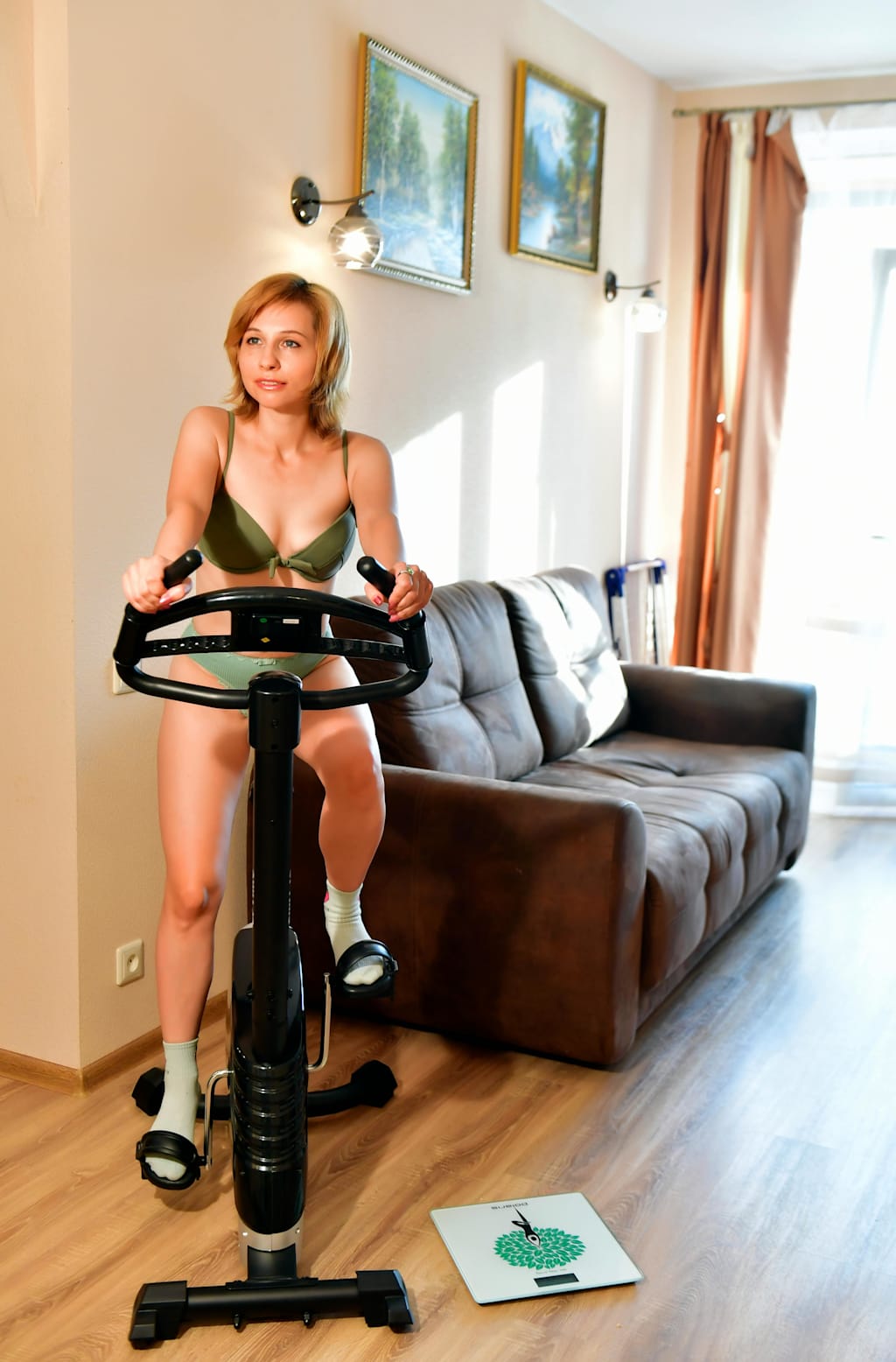
Fitness equipment can be a serious investment, whether it lives in a home gym, a training studio, or a larger shared workout space. And once that equipment is in place, the goal is not just to use it today. It’s to keep it working well over time so it continues to support consistent training, better routines, and a stronger return on what you spent.
That’s why long-term value matters so much.
A treadmill, bike, rower, or strength machine can look like a smart purchase at the start, but real value comes from how well it performs month after month and year after year. And that usually depends on more than the machine itself. It depends on upkeep, placement, organization, and how thoughtfully the equipment is used.
The CDC recommends that adults get at least 150 minutes of moderate-intensity physical activity each week, along with muscle-strengthening activity on 2 or more days a week. That kind of consistency is much easier to maintain when your equipment is working properly, and your space is set up to support regular use.
Regular Upkeep Protects Your Investment
One of the easiest ways to get more value from fitness equipment is also one of the most overlooked: routine maintenance.
Machines go through wear with every workout. Belts loosen, moving parts collect dust, surfaces break down, and small issues build slowly until they become bigger ones. And while that decline may not be obvious at first, it can shorten the usable life of the equipment if it keeps getting ignored. That’s why regular upkeep matters so much.
Cleaning the equipment, checking for early signs of wear, tightening loose components, and paying attention to performance changes can all help extend the life of the machine. A strange sound, a sticking pedal, or a belt that feels slightly off may seem minor, but addressing those details earlier usually helps avoid bigger disruptions later.
For that reason, fitness equipment repair should be viewed as part of protecting the investment, not just reacting when something stops working entirely. Prompt maintenance helps preserve performance, and it also helps keep a workout routine from getting interrupted by breakdowns.
Proper Use Matters Just As Much
Maintenance is important, but equipment also lasts longer when it is used the way it is meant to be used. That sounds straightforward, but it matters more than people think.
Overloading a machine, skipping setup adjustments, using the wrong footwear, or ignoring manufacturer recommendations can all create unnecessary strain over time. And while the equipment may still function for a while, improper use often speeds up wear in ways that are easy to miss until performance drops. This is especially true in shared workout spaces.
If multiple people use the same equipment, clear guidelines and good habits become even more important. The more consistently the machine is used properly, the better chance it has of staying in strong working condition over the long term. And when people understand how a machine is meant to function, they also tend to notice sooner when something feels off. That kind of awareness can help catch problems earlier, which supports better upkeep overall.
Smart Placement Helps Equipment Last Longer
Where the equipment sits can affect how well it holds up. A poorly placed machine may deal with extra dust, moisture, heat, or cramped conditions that make it harder to maintain and harder to use. Even if the equipment itself is high quality, the surrounding environment can still affect how well it performs over time. That’s one reason layout deserves more attention.
Machines should have enough room around them for proper use, cleaning, and airflow. They should not be packed so tightly that they are hard to access or hard to inspect. In-home gyms, especially, help to think about flooring, ventilation, and whether the room tends to collect heat or humidity. Thoughtful placement also supports the user experience.
When the equipment is easy to access and easy to move between, workouts feel more efficient. And when the room feels functional, people are more likely to keep using it consistently instead of letting the setup become frustrating.
Organization Makes Workouts More Efficient
Value is not only about how long the machine lasts. It is also about how well the entire setup works for everyday training. That is where organization comes in.
A fitness space that feels cluttered or chaotic often makes workouts harder to start. Small equipment gets lost, mats end up in the wrong place, resistance bands get tangled, and the room starts requiring extra effort before the workout even begins. That kind of friction can quietly reduce how often the space gets used.
On the other hand, a well-organized space makes training feel more direct.
When accessories are easy to find, when machines are positioned logically, and when the room supports movement without obstacles, the equipment starts delivering more value because it is easier to use consistently. The machine does not just sit there as a purchase. It becomes part of a setup that supports routine. That’s another reason fitness equipment repair matters over time. A machine that works well but is buried in a poorly managed space still loses value in practice. The strongest setups are the ones where upkeep and organization work together.
Versatility Adds Long-Term Value
Another major factor is versatility. The more ways equipment can support different exercises, training styles, or users, the more value it tends to provide over time. A machine that only works for one narrow purpose may still be useful, but adaptable equipment often stays relevant longer because it can continue fitting changing goals.
That matters because training needs often shift.
Someone may start with simple cardio goals and later add interval work, strength circuits, or cross-training. A household may have multiple users with different needs. A facility may want to support a broader mix of workouts without constantly replacing equipment. In all of those cases, versatility helps extend usefulness. This is also where user knowledge matters.
When people understand how to adjust settings, change resistance, modify workouts, or use one piece of equipment across multiple routines, the return on that machine improves. Equipment becomes more than a single-purpose purchase.
It becomes part of a flexible training setup that can evolve instead of being outgrown too quickly.
Small Problems Usually Get More Expensive Over Time
One of the biggest threats to long-term value is delay.
A small issue often stays manageable if it is handled early. But once it is ignored, it can start affecting performance, safety, and the overall feel of the machine. Then the cost is no longer just a minor repair. It may include downtime, interrupted workouts, and more involved servicing.
That’s why waiting rarely helps.
When a machine starts showing signs of wear, addressing it quickly usually protects more than just the part that is failing. It helps preserve the equipment as a whole, and it also keeps the workout routine intact. If people stop using a machine because it is unreliable, the value of that investment drops fast. That’s why fitness equipment repair should be part of long-term planning, not a last resort. Regular attention tends to cost less, disrupt less, and preserve more value.
Consistency Is What Turns Equipment Into a Better Investment
At the end of the day, fitness equipment delivers the most value when it keeps supporting regular use. That’s really the bigger picture.
The CDC’s guidance makes clear that long-term health benefits come from ongoing physical activity, not occasional bursts of effort. So if equipment is well-maintained, thoughtfully placed, and easy to use, it is more likely to stay part of a routine that actually lasts.
That’s what turns a purchase into a worthwhile investment.
Regular upkeep protects performance. Proper use reduces avoidable wear. A good organization makes workouts smoother. And versatility helps equipment stay useful even as routines evolve.
Better Care Leads to Better Long-Term Value
Getting more value from fitness equipment over time is not about doing one big thing. It is about doing a series of smaller things well and consistently. Maintain the equipment. Use it properly. Organize the space around it. Pay attention to how it is performing.
And deal with small issues before they become larger ones. That approach helps protect the machine and the routine it supports. And when the equipment continues working the way it should, it keeps doing what it was meant to do from the beginning: support better training, more consistency, and a stronger return on the investment behind it.
About the Creator
Amy Rhoades
Amy Rhoades is a creative writer who explores resilience and connection, drawing inspiration from travel and life to inspire readers worldwide.
Enjoyed the story? Support the Creator.
Subscribe for free to receive all their stories in your feed.
Comments
There are no comments for this story
Be the first to respond and start the conversation.