
Europe Heatwave 2026: Health Risks, Heatstroke, Deaths, and How to Stay Safe
Europe's Record Heatwave 2026: What Extreme Temperatures Mean for Your Health

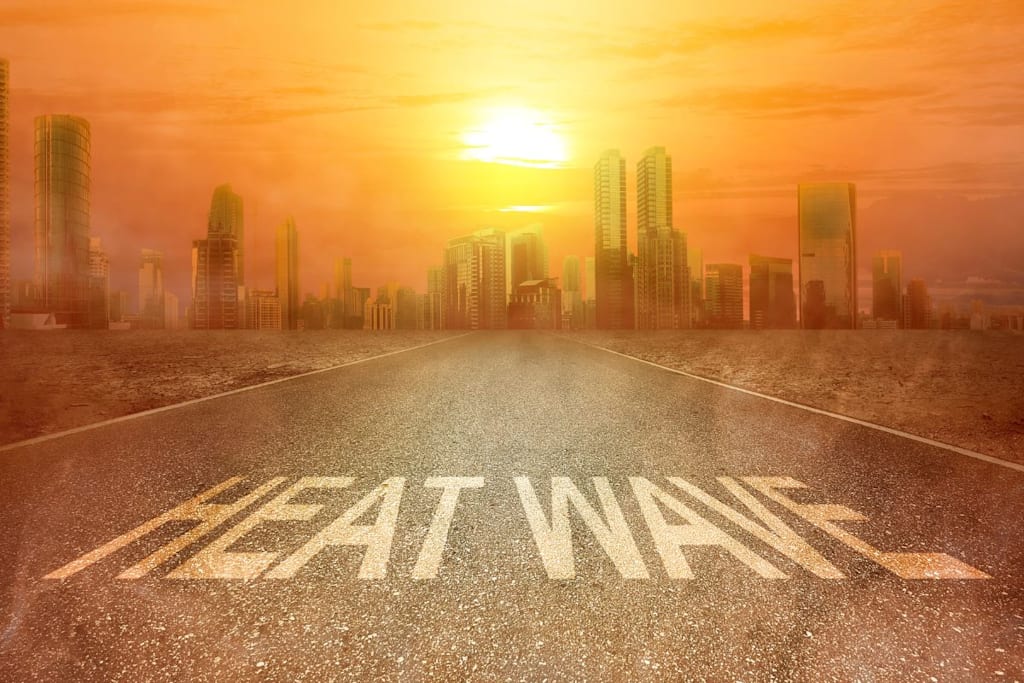
Europe is facing one of its most severe heatwaves in recent years, with record-breaking temperatures pushing healthcare systems, emergency services, and governments into high alert. Several countries, including France, Spain, Italy, the United Kingdom, and Germany, have issued heat warnings as temperatures climb above 40°C (104°F) in many regions. Schools have closed, transport services have been disrupted, and public health officials are urging people to take precautions against life-threatening heat-related illnesses.
The latest heatwave has already been linked to multiple deaths and medical emergencies, highlighting the growing health risks associated with extreme weather events. Scientists say climate change is making heatwaves more frequent, more intense, and longer-lasting, increasing the danger for millions of people.
Europe's 2026 Heatwave: What's Happening?
The ongoing heatwave has swept across much of Western and Southern Europe, breaking temperature records in several countries. France has recorded some of its hottest temperatures ever, while Spain and Italy continue to experience prolonged periods of extreme heat.
Authorities have issued red heat alerts across several regions, warning that temperatures are dangerous even for healthy individuals. The heat has forced the closure of hundreds of schools, disrupted train services, and led to restrictions at popular tourist attractions. Hospitals are also reporting an increase in patients suffering from dehydration, heat exhaustion, and heatstroke. Recent reports indicate that multiple people have died as temperatures continue to rise, while emergency responders are handling a growing number of heat-related incidents.
Why Extreme Heat Is Dangerous
While many people think of heat as simply uncomfortable, prolonged exposure to high temperatures can quickly become a serious medical emergency.
The human body normally cools itself by sweating. However, during extreme heat—especially when humidity is high—this natural cooling system becomes less effective. As body temperature continues to rise, vital organs such as the brain, heart, kidneys, and liver can become damaged.
According to the World Health Organization (WHO), extreme heat increases the risk of illness and death, particularly among vulnerable populations. Heatwaves are now recognized as one of the deadliest weather-related hazards worldwide.
Heat Exhaustion vs. Heatstroke
Understanding the difference between heat exhaustion and heatstroke can save lives.
Heat Exhaustion Symptoms
Heat exhaustion occurs when the body loses excessive water and salts through sweating. Common symptoms include:
- Heavy sweating
- Weakness or fatigue
- Dizziness
- Headache
- Nausea or vomiting
- Muscle cramps
- Cool, pale, or clammy skin
- Fast but weak pulse
Without prompt treatment, heat exhaustion can progress to heatstroke.
Heatstroke Symptoms
Heatstroke is a medical emergency and requires immediate treatment.
Warning signs include:
- Body temperature above 40°C (104°F)
- Hot, dry skin or excessive sweating
- Confusion or disorientation
- Slurred speech
- Rapid heartbeat
- Seizures
- Loss of consciousness
If someone shows these symptoms, emergency medical services should be contacted immediately while efforts are made to cool the person using cold water, ice packs, or moving them into a shaded or air-conditioned environment.
Who Is Most at Risk?
Although anyone can become ill during extreme heat, certain groups face a much higher risk of severe complications.
These include:
- Adults over 65 years old
- Babies and young children
- Pregnant women
- People with heart, kidney, or lung disease
- Individuals with diabetes
- Outdoor workers
- Athletes
People taking medications that affect body temperature or hydration
Urban areas are particularly vulnerable because concrete buildings and roads absorb and retain heat, creating what experts call the "urban heat island" effect.
Climate Change Is Increasing the Threat
Scientists say today's heatwaves are not isolated events. Rising global temperatures are increasing both the frequency and intensity of extreme heat across Europe.
The WHO warns that climate change is significantly increasing health risks associated with heat exposure. Previous European heatwaves have caused tens of thousands of excess deaths, demonstrating how deadly prolonged high temperatures can become if proper precautions are not taken.
How to Protect Yourself During a Heatwave
Public health experts recommend several simple but effective ways to reduce the risk of heat-related illness.
- Drink plenty of water throughout the day, even if you do not feel thirsty.
- Stay indoors during the hottest hours, typically between 11 a.m. and 5 p.m.
- Wear lightweight, loose-fitting, light-colored clothing.
- Use fans or air conditioning whenever possible.
- Keep curtains and blinds closed during peak sunlight.
- Avoid strenuous outdoor activities.
- Eat light meals with fruits and vegetables that contain high amounts of water.
- Never leave children, elderly people, or pets inside parked vehicles.
- Check regularly on elderly family members, neighbors, or anyone living alone.
What Should You Do If Someone Shows Signs of Heatstroke?
Heatstroke is life-threatening and should never be ignored.
If you suspect someone has heatstroke:
- Call emergency medical services immediately.
- Move the person into a cool or shaded place.
- Remove unnecessary clothing.
- Cool the body with cold water, wet towels, or ice packs placed on the neck, armpits, and groin.
- If the person is unconscious, do not give them food or water.
- Rapid treatment greatly improves the chances of recovery.
The Bottom Line
The Europe Heatwave 2026 serves as another reminder that extreme heat is not simply a seasonal inconvenience—it is a growing public health emergency. With temperatures reaching dangerous levels across multiple countries and heat-related illnesses increasing, experts urge everyone to take official warnings seriously.
Staying hydrated, limiting outdoor activity during peak heat, recognizing the early signs of heat exhaustion and heatstroke, and checking on vulnerable family members can help prevent avoidable illnesses and deaths. As climate change continues to intensify extreme weather events, preparation and public awareness will become increasingly important in protecting lives during future heatwaves.
About the Creator
Stories Today
Stories Today is a place where real people share real stories, and that’s it. We believe every person has an incredible story to tell.
Visit us:https://storiestoday.co.uk/
Enjoyed the story? Support the Creator.
Subscribe for free to receive all their stories in your feed.
Comments
There are no comments for this story
Be the first to respond and start the conversation.