
9 Home Remedies for UTI: Relief, Prevention and Warning Signs
Discover 9 home remedies that may ease UTI symptoms, what cannot cure an infection, and the warning signs that require medical care.

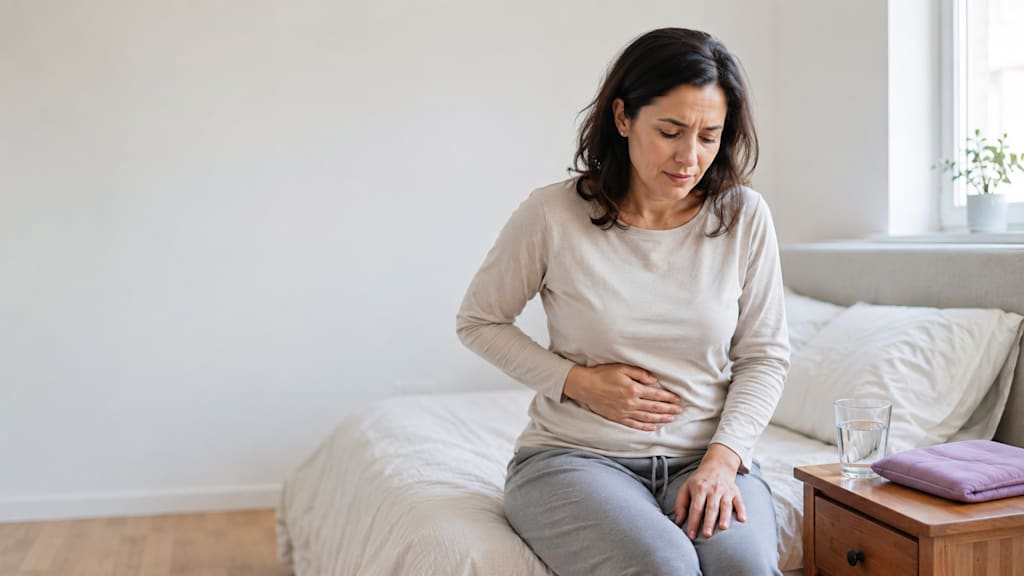
Burning during urination, frequent bathroom trips, pelvic pressure, and a sudden urge to urinate can make a possible urinary tract infection difficult to ignore.
Some home remedies for UTI symptoms may make the discomfort easier to manage. Others may support healthy urinary habits or help reduce the risk of future infections. However, no drink, food, supplement, or hygiene routine can reliably cure an active bacterial UTI.
The nine self-care measures covered in this guide are:
Drink water regularly.
Urinate when needed and empty your bladder comfortably.
Apply gentle heat.
Temporarily avoid bladder irritants.
Use gentle, fragrance-free hygiene.
Wear loose, breathable clothing.
Ask about suitable over-the-counter symptom relief.
Consider cranberry only for possible prevention.
Urinate after sexual activity if it feels helpful.
These measures do not all have the same purpose. Water, heat, and suitable pain relief may reduce discomfort. Bathroom habits, gentle hygiene, comfortable clothing, cranberry, and post-sex urination are more relevant to supportive care or prevention.
Bladder infections are commonly caused by bacteria and are usually treated with antibiotics. Home care may support comfort, but it should not delay appropriate evaluation when symptoms persist, worsen, or include warning signs.
Can Home Remedies Cure a UTI?
Home remedies may help reduce burning, pressure, or discomfort, but they cannot reliably confirm or cure an active bacterial urinary tract infection.
Common bladder-infection symptoms include burning during urination, frequent or intense urges to urinate, lower abdominal discomfort, and cloudy, bloody, or strong-smelling urine. A healthcare professional may use your symptoms, medical history, physical examination, and urine tests to determine whether an infection is present.
It helps to distinguish three different goals:
Symptom relief: Making burning, pressure, or pain easier to tolerate.
Supportive care: Maintaining hydration and comfortable bladder habits while symptoms are evaluated or treatment begins.
Prevention: Reducing the likelihood of future infections in people with recurrent UTIs.
A measure may help with one goal without treating the cause of the symptoms.
Burning, urgency, and frequent urination can also occur with conditions other than a bacterial UTI. Persistent, recurrent, or unusual symptoms may require testing rather than continued self-treatment.
When Should You Seek Medical Care?
Contact a healthcare professional if you develop symptoms of a possible bladder infection, especially when they are severe, persistent, worsening, or repeatedly returning.
Seek prompt care if you have:
Fever or chills.
Nausea or vomiting.
Pain in the back, side, or groin.
Severe abdominal or pelvic pain.
Visible blood in the urine.
Difficulty passing urine.
Increasing weakness.
Confusion.
Symptoms that worsen quickly.
Symptoms that return after treatment.
Fever, chills, nausea, vomiting, and pain in the back, side, or groin may indicate that an infection has affected the kidneys. Kidney infections can cause serious health problems if they are not treated promptly.
Suddenly being unable to urinate despite feeling that your bladder is full requires emergency medical attention.
Pregnant people with possible UTI symptoms should seek professional evaluation rather than depending on home remedies. UTIs during pregnancy are associated with an increased risk of complications, including preterm delivery, low birth weight, and serious complications from kidney infection.
Children, men, catheter users, older adults who become suddenly confused or unwell, and people with kidney disease, diabetes, weakened immunity, or known urinary tract problems may also require a different approach from otherwise healthy, nonpregnant adults.
9 Home Remedies That May Help With UTI Symptoms
The following measures are intended for temporary relief, supportive care, or possible prevention. They are not nine ways to eliminate an established bacterial infection.
1. Drink Water Regularly
Water is generally the simplest drink to choose when urinary symptoms are present.
Staying hydrated dilutes urine and supports normal urinary flow. NIDDK recommends drinking liquids during recovery and identifies water as the best choice.
When urination burns, drinking less may seem like a way to avoid repeated bathroom visits. However, concentrated urine may feel more irritating. Drinking reasonable amounts throughout the day is generally more practical than consuming a very large quantity at once.
There is no universal water target that is suitable for everyone. Fluid needs vary according to body size, activity, climate, pregnancy, medications, kidney function, heart health, and other medical conditions.
People with kidney failure, heart disease, urinary incontinence, or medically prescribed fluid restrictions should follow individualized guidance rather than increasing their intake independently.
Do not force excessive amounts of water in an attempt to cure a UTI quickly. Hydration may support comfort and recovery, but it does not guarantee that an established bacterial infection will disappear.
For people with recurrent UTIs who normally drink very little, increasing water intake may have a preventive benefit. A randomized trial found fewer recurrent cystitis episodes among premenopausal women with recurrent infections and low baseline fluid intake who increased their daily water consumption. That result applies to a specific population and does not justify excessive fluid intake for everyone.
2. Urinate When Needed and Empty Your Bladder Comfortably
Use the bathroom when you feel a genuine need to urinate, and take enough time to empty your bladder without pushing or straining.
General bladder-health guidance recommends using the bathroom when needed and relaxing while urinating so the bladder can empty more comfortably.
Avoid holding urine for unnecessarily long periods. At the same time, do not repeatedly visit the bathroom when little or no urine is present in an attempt to force bacteria out.
Frequent or intense urges are themselves common UTI symptoms. Repeated bathroom visits do not prove that an infection is clearing.
Contact a healthcare professional if you experience:
A strong urge but cannot pass urine.
A persistent feeling that the bladder has not emptied.
Increasing lower abdominal pressure.
A weak or interrupted urine stream.
Severe pain while attempting to urinate.
Difficulty emptying the bladder should not be managed simply by drinking more water or straining harder.
3. Apply Gentle Heat
A warm heating pad, covered hot-water bottle, or warm compress may reduce lower abdominal or back discomfort.
NIDDK includes a heating pad on the abdomen or back among the measures that may ease pain associated with a bladder infection.
Use a low or moderate temperature and follow the product instructions. Place a thin layer of clothing or fabric between your skin and the heat source.
Stop using heat if the area becomes painful, numb, unusually red, or irritated. Do not fall asleep with an electric heating pad switched on unless the manufacturer specifically states that the product is designed for safe overnight use.
People with reduced skin sensation, poor circulation, or conditions that affect temperature awareness should be particularly careful.
Gentle heat may:
Reduce lower abdominal pressure.
Relax tense muscles.
Make resting more comfortable.
Provide temporary pain relief.
Heat does not diagnose a UTI, eliminate bacteria, or prevent an infection from spreading.
Do not rely on a heating pad alone if pain becomes severe or moves toward the back or side, particularly when accompanied by fever, chills, nausea, or vomiting.
4. Temporarily Avoid Bladder Irritants
Certain foods and drinks may make an already irritated bladder feel more sensitive.
Possible irritants include:
Coffee.
Strong tea.
Energy drinks.
Alcohol.
Caffeinated soft drinks.
Citrus drinks.
Some carbonated beverages.
Very spicy foods.
Artificial sweeteners.
Mayo Clinic advises temporarily avoiding coffee, alcohol, and soft drinks containing citrus juice or caffeine because they may irritate the bladder.
Not everyone reacts to the same products. Instead of following an extreme elimination diet, notice whether a particular drink or food consistently increases burning, urgency, or frequency.
Choose water as your main drink while symptoms are active. Temporarily reduce anything that clearly makes the discomfort worse.
Coffee does not necessarily cause a UTI, but caffeine may make urgency more noticeable. Alcohol may contribute to irritation, affect hydration, and interact with medication.
Diet changes may improve comfort, but they should not be presented as treatment for a bacterial bladder infection. NIDDK states that diet has not been shown to treat an existing bladder infection.
5. Use Gentle, Fragrance-Free Hygiene
Urinary symptoms can make the skin and tissue around the urinary opening feel more sensitive.
Clean the external area gently with water or a mild, fragrance-free cleanser. Avoid vigorous scrubbing or repeated washing in an attempt to remove an infection.
Products that may increase irritation include:
Scented wipes.
Deodorant sprays.
Douches.
Strongly perfumed washes.
Scented powders.
Concentrated essential oils.
Stop using any product that causes burning, stinging, redness, or increased discomfort.
A UTI is not proof of poor hygiene. Excessive cleaning cannot remove bacteria from inside the bladder and may make external irritation worse.
Wiping from front to back is commonly recommended because it reduces the chance of moving material from the anal area toward the urethra. This is a preventive habit, not a treatment for an existing infection.
Do not insert vinegar, baking soda, garlic, essential oils, or other household mixtures into the vagina or apply them close to the urethral opening. Natural products can still irritate or injure sensitive tissue.
6. Wear Loose, Breathable Clothing
Loose clothing may reduce pressure, friction, heat, and trapped moisture around the genital area.
Choose clothing that feels comfortable rather than restrictive. Changing out of damp exercise clothes or wet swimwear may also improve comfort.
NIDDK includes loose-fitting clothing in its general urinary-health guidance, while MedlinePlus recommends avoiding tight pants and choosing cotton underwear.
Comfortable clothing may help:
Reduce friction.
Limit trapped moisture.
Avoid pressure on the lower abdomen.
Make irritation easier to tolerate.
Clothing cannot remove bacteria from the bladder, prevent every UTI, or replace medical treatment. It is a comfort and hygiene measure rather than an infection treatment.
7. Ask About Suitable Over-the-Counter Symptom Relief
Some over-the-counter medicines may temporarily reduce pain or discomfort associated with a UTI.
NIDDK notes that a healthcare professional may suggest medicines to relieve pain or discomfort caused by a bladder infection. These products provide symptom relief and do not necessarily treat the bacteria responsible for the infection.
There is no single product or dose that is appropriate for everyone. Suitability may depend on:
Age.
Pregnancy.
Kidney or liver health.
Stomach problems.
Allergies.
Blood-thinning medication.
Other prescription or over-the-counter drugs.
Ask a pharmacist or healthcare professional which option is appropriate for you, and follow the product directions.
Feeling less pain does not confirm that an infection has cleared.
A separate guide should cover over-the-counter UTI symptom relief in greater detail. Keeping that topic separate prevents this general home-remedies page from becoming a medication guide.
8. Consider Cranberry Only for Possible Prevention
Cranberry is one of the best-known natural remedies associated with urinary health, but its role is often misunderstood.
Cranberry should not be presented as a cure for an active infection. Research and clinical guidelines focus primarily on whether cranberry products may reduce future infections in some people with recurrent UTIs.
The American Urological Association’s 2025 guideline says clinicians should offer cranberry as an option for preventing recurrent UTIs in women. A 2023 Cochrane review also found that cranberry products reduced the risk of repeat UTIs in some groups, including women with recurrent infections.
This does not mean cranberry works for everyone or that drinking cranberry juice after symptoms begin will remove an infection.
Cranberry drinks vary widely. Some contain mostly water, added sugar, flavoring, or other juices. Check the ingredient list rather than relying only on the image or wording on the front of the bottle.
Unsweetened cranberry juice avoids large amounts of added sugar, although its acidity may irritate the bladder in some people.
Cranberry supplements also differ in composition and concentration. A capsule is not automatically safer or more effective than juice.
People who are pregnant, take regular medication, or have an ongoing medical condition should ask a healthcare professional before using concentrated supplements.
9. Urinate After Sexual Activity if It Feels Helpful
Sexual activity can be associated with UTIs in some people.
Urinating afterward is a simple habit that may help clear material from around the urethral area. It is reasonable to try, but it does not guarantee that an infection will be prevented.
A person does not cause a UTI simply because they did not urinate immediately after sex. UTIs are not evidence of being unclean.
When symptoms repeatedly follow sexual activity, professional evaluation may be more useful than continually adding new hygiene routines or supplements.
Possible contributing factors include:
Spermicide use.
Certain contraceptive methods.
Hormonal changes.
Vaginal or urinary irritation.
Difficulty emptying the bladder.
Recurrent bacterial infections.
Another condition causing similar symptoms.
MedlinePlus includes urinating before and after sexual activity among its UTI self-care and prevention suggestions.
Do not take antibiotics left over from a previous infection. The medication may be incomplete, unsuitable for the current infection, or ineffective against the bacteria involved. CDC advises against saving or sharing antibiotics.
What About Supplements, Herbal Remedies, and Natural Antibiotics?
Supplements, herbal products, and teas are often marketed alongside home remedies for UTI symptoms. These products have different evidence, risks, and intended uses, so they should not be treated as interchangeable cures.
Cranberry has some support as a prevention option for recurrent UTIs. Evidence for other supplements, including D-mannose, probiotics, vitamin C, garlic, and herbal teas, is limited, mixed, or specific to particular products and populations.
For example, a 2024 randomized clinical trial found that daily D-mannose did not reduce recurrent UTIs among women in the primary-care population studied. The researchers concluded that it should not be recommended for prevention in that group.
Laboratory antimicrobial activity also does not make a plant, food, or essential oil equivalent to a prescription antibiotic inside the human urinary tract.
This pillar page does not evaluate every supplement or herb individually. Those products require a separate evidence-based guide that can address product differences, interactions, pregnancy, kidney health, and limitations in greater depth.
What Should You Avoid When You Have UTI Symptoms?
Certain actions may worsen irritation, delay appropriate treatment, or create unnecessary risks.
Avoid:
Depending on a product that promises an overnight cure.
Taking leftover antibiotics.
Sharing antibiotics with another person.
Forcing extreme quantities of water.
Applying irritating household products to sensitive tissue.
Treating supplements as guaranteed cures.
Assuming reduced pain means the infection has cleared.
Ignoring fever, vomiting, or pain in the back or side.
Antibiotics can treat bacterial UTIs when appropriately prescribed, but they can cause side effects and contribute to antimicrobial resistance when used incorrectly. Follow the prescribed directions and do not save antibiotics for a future illness.
Do not assume that every episode of burning or urgency is automatically a UTI. Persistent, recurrent, or unusual symptoms may need evaluation for another cause.
How Can You Help Prevent Recurrent UTIs?
Prevention strategies are most useful for people who have confirmed recurrent infections. Repeated urinary symptoms should not automatically be assumed to represent repeated bacterial UTIs.
General habits may include:
Maintaining adequate hydration.
Using the bathroom when you feel the need.
Taking time to empty your bladder.
Wiping from front to back.
Changing out of damp clothing.
Reviewing spermicide or contraceptive use.
Tracking possible triggers.
Seeking evaluation when symptoms repeatedly return.
Current AUA guidance includes cranberry as a prevention option for women with recurrent UTIs. The same guideline also covers clinician-directed treatments that fall outside the scope of a home-remedies article.
Pregnancy, menopause, sexual activity, contraception, urinary retention, diabetes, catheter use, and structural urinary problems may change how recurrent symptoms should be evaluated.
Keeping a simple record can make a professional consultation more useful. Record:
When symptoms began.
Which symptoms appeared.
Whether a urine test was performed.
Treatment received.
How quickly symptoms improved.
Possible triggers.
Whether symptoms followed sexual activity.
How soon symptoms returned.
Frequently Asked Questions About Home Remedies for UTI
These questions commonly appear in Google results related to home remedies for UTI. Although several sound similar, each reflects a different concern about hydration, timing, antibiotics, or access to care.
How do I flush out a UTI at home?
You cannot reliably flush out an established UTI simply by drinking water.
Water supports hydration, dilutes urine, and helps maintain urinary flow. It may make symptoms easier to tolerate, but it does not guarantee that infection-causing bacteria will be eliminated.
NIDDK recommends drinking fluids and identifies water as the best option during bladder-infection recovery. It also states that a bacterial bladder infection will likely be treated with antibiotics.
Drink reasonable amounts throughout the day. Do not force excessive fluids or use hydration as a reason to delay appropriate care.
How do you get rid of a UTI without seeing a doctor?
You cannot safely confirm or treat a suspected UTI at home without knowing what is causing the symptoms.
Professional evaluation does not always require a traditional office visit. Depending on available services and your circumstances, guidance may be available through telehealth, urgent care, or another clinical pathway. Testing may still be needed when symptoms are severe, recurrent, unusual, or not improving.
A healthcare professional can determine whether an antibiotic or another form of treatment is appropriate.
Seek prompt care for fever, chills, vomiting, difficulty urinating, or pain in the back or side.
What is the best drink for urine infection?
Water is generally the simplest choice.
It supports hydration without adding caffeine or alcohol, which may irritate an already sensitive bladder. NIDDK identifies water as the best drink during bladder-infection recovery.
Drink regularly rather than forcing a large amount at once. Temporarily reduce coffee, energy drinks, alcohol, or acidic beverages if they clearly worsen burning or urgency.
Unsweetened cranberry juice may have a possible role in preventing recurrent infections for some women, but it does not reliably treat an active bladder infection.
Is there a way to cure a UTI without antibiotics?
No home remedy can reliably cure an active bacterial UTI.
Some symptoms may improve with hydration, heat, and suitable pain relief, but symptom improvement does not confirm that the bacteria have been eliminated.
Bacterial bladder infections are commonly treated with antibiotics. In some cases, an evaluation may show that the symptoms have another cause and that antibiotics are not appropriate.
Avoiding unnecessary antibiotics should follow an appropriate assessment. It should not depend on assuming that water, cranberry, herbs, or supplements can replace proven treatment.
Can you flush out a UTI in 24 hours?
No home remedy can guarantee that a UTI will clear within 24 hours.
Drinking water may make concentrated urine less irritating and support urinary flow, but it cannot confirm that the infection has disappeared. Symptoms may temporarily improve while bacteria remain present.
A systematic review of untreated uncomplicated UTIs found that the natural course varies, which makes it difficult to predict who will improve without antibiotics and who will continue to have symptoms or complications.
Do not use a 24-hour deadline as a reason to force large amounts of water. Contact a healthcare professional when symptoms persist, worsen, or include fever, chills, nausea, vomiting, or back and side pain.
How did people get rid of UTIs before antibiotics?
Before effective antimicrobial treatments became available, people used rest, fluids, dietary changes, herbal preparations, pain remedies, and procedures for complications.
The results were inconsistent. Some infections improved naturally, while others persisted or caused serious complications.
Historical reviews describe the introduction of antimicrobial therapy as the defining development in modern UTI management. Older remedies should not be interpreted as equally effective substitutes for current diagnosis and treatment.
The Bottom Line
The best home remedies for UTI symptoms are measures used for realistic purposes.
Water may support hydration and normal urinary flow. Gentle heat and suitable over-the-counter pain relief may reduce discomfort. Avoiding personal bladder irritants, maintaining comfortable bathroom habits, using gentle hygiene, and wearing loose clothing may also make symptoms easier to manage.
Cranberry may be considered as a prevention option for some women with recurrent UTIs. It does not cure an active infection.
Natural does not mean proven, and feeling better does not confirm that bacteria have been eliminated.
Use home care to manage discomfort and support recovery, not to create certainty about the diagnosis.
Contact a healthcare professional when symptoms suggest a possible UTI. Seek prompt care for fever, chills, nausea, vomiting, difficulty urinating, confusion, or pain in the back, side, or groin.
Sources
This article provides general educational information and is not a substitute for professional medical advice, diagnosis, or treatment.
This article is based primarily on current public-health guidance, clinical recommendations, and peer-reviewed research:
National Institute of Diabetes and Digestive and Kidney Diseases, bladder-infection symptoms, treatment, hydration, self-care, and prevention.
Centers for Disease Control and Prevention, UTI basics and appropriate antibiotic use.
American Urological Association, 2025 guidance for recurrent UTIs in women.
American College of Obstetricians and Gynecologists, UTIs during pregnancy.
Cochrane review of cranberry products for preventing UTIs.
Randomized clinical trial of D-mannose for recurrent UTI prevention.
About the Creator
Jose Mejia
Accountant and independent blogger with 20+ years of analytical experience. I create clear, practical health content using reputable medical sources, transparent research, and careful fact-checking.
Enjoyed the story? Support the Creator.
Subscribe for free to receive all their stories in your feed.
Comments
There are no comments for this story
Be the first to respond and start the conversation.