
7 Household Cleaning Mistakes That Might Be Putting Your Health at Risk
Here’s what to avoid to maintain a clean home without compromising your well-being.

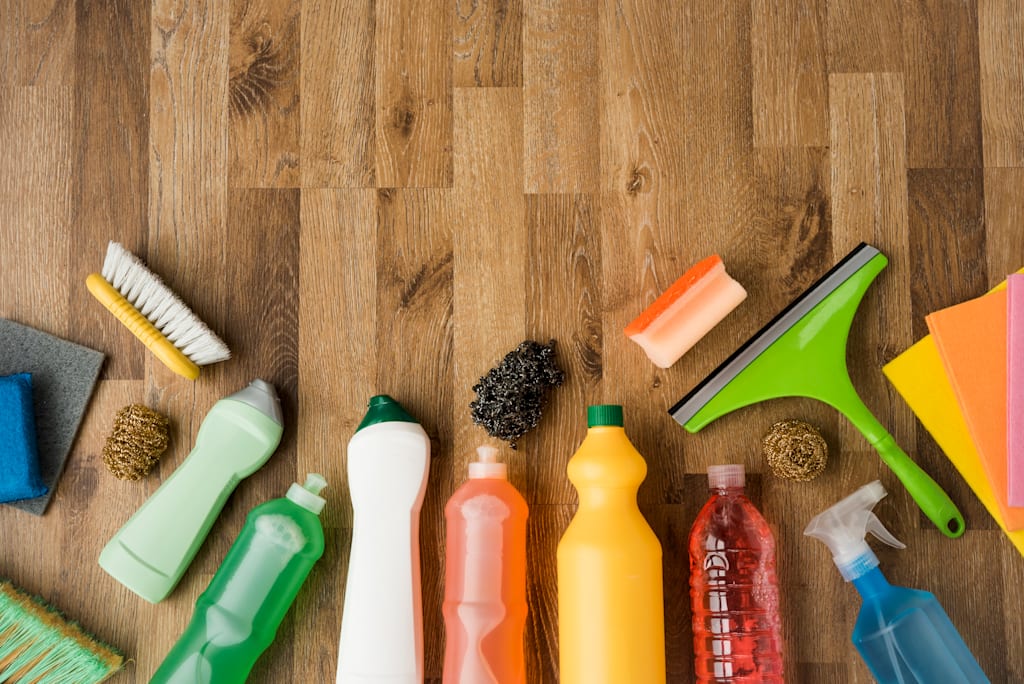
A clean home isn’t just one that looks spotless, but one that supports the health and safety of everyone who lives in it. Common household cleaners contain chemicals designed to break down grease, kill bacteria, dissolve mineral deposits, or unclog drains. These powerful agents can sometimes create risks of their own, becoming a source of accidental toxic exposure when handled incorrectly.
These substances can enter the body through inhalation of fumes or fine particles, absorption through the skin, or ingestion. Even short-term direct contact may trigger headaches, dizziness, coughing, skin burns, eye irritation, or allergic reactions, while repeated exposure has been linked to chronic respiratory irritation and other long-term health concerns.
Most cleaning-related injuries are preventable, however, if you understand how these products work and where common issues may arise. Here are 7 household cleaning mistakes to avoid to protect your home, your family, and yourself.
Choosing Products Without Checking Their Ingredients
It’s a fact that many conventional household cleaning products contain ingredients that may pose health risks, especially with frequent use or misuse. Harsh solvents, bleach, ammonia, chlorine-based compounds, certain preservatives, and more can contribute to skin sensitivity, respiratory irritation, and other adverse reactions. While it’s impossible to eliminate all chemical exposure, reducing contact with potentially harmful substances can significantly improve indoor air quality and lower health risks for everyone in the household.
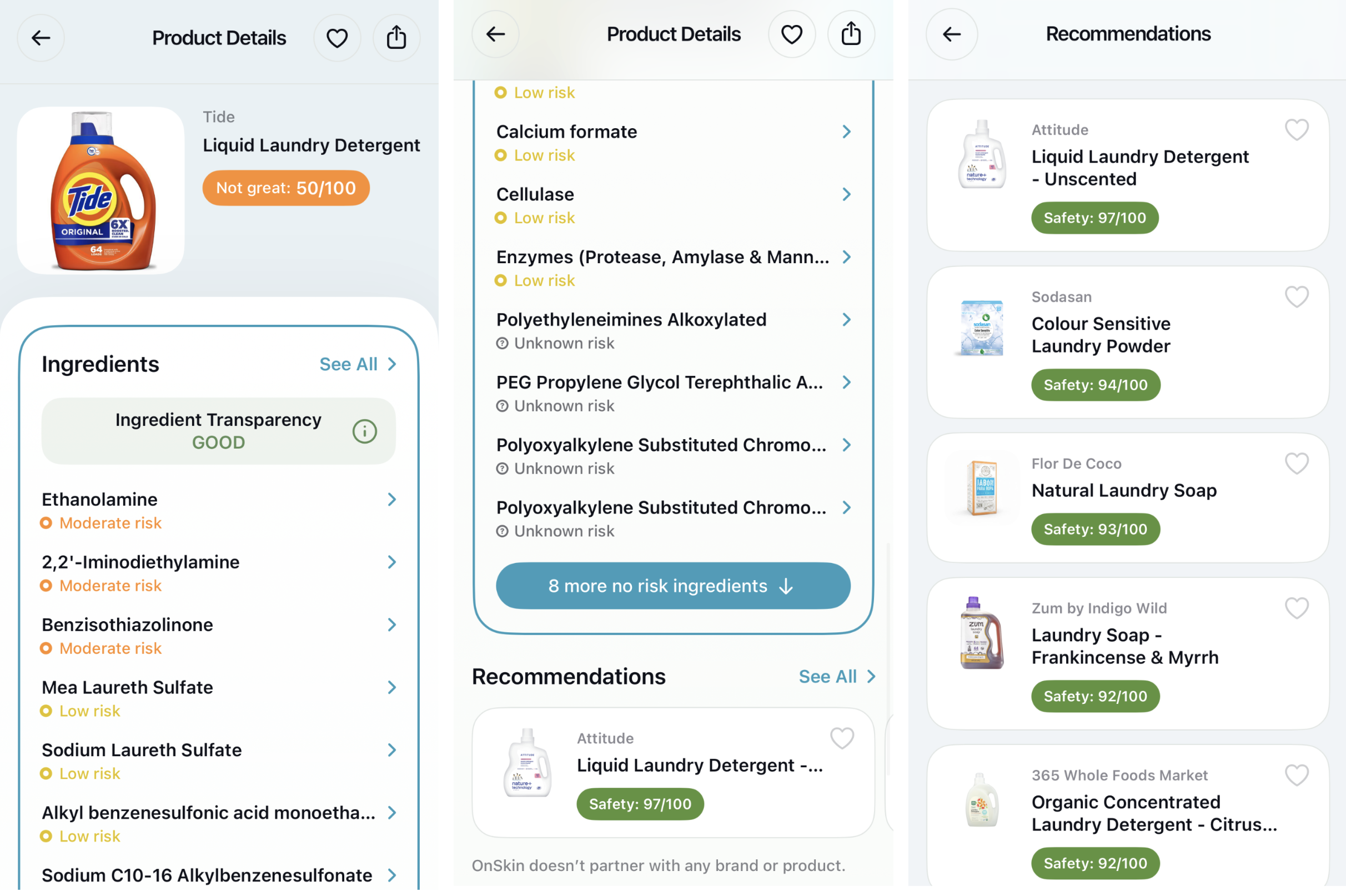
The OnSkin app can help you stay informed about the cleaning products you bring into your home and choose non-toxic alternatives formulated with safer ingredients. With a barcode scan, package photo, or name search, you can gain insight into a product’s overall safety rating, its level of ingredient transparency, and any potentially harmful components associated with skin and eye allergies, respiratory irritation, endocrine disruption, and cancer concerns.
Not Reading the Label and Manufacturer’s Instructions
It’s easy to assume that all-purpose cleaners are straightforward to use, but every product has its own instructions, limitations, and safety precautions. Taking a moment to read the product label is one of the simplest and most effective ways to prevent accidents. Reputable brands typically provide critical information, including proper dilution ratios, recommended surfaces, required protective equipment, and warnings about potential hazards.
Ignoring these instructions can lead to ineffective cleaning, surface damage, and, most importantly, increased health risks. Always remember to clean smarter, not harder. For instance, using a larger amount of product than recommended doesn’t necessarily improve results. In many cases, it simply increases exposure to potentially irritating chemicals.
Cleaning Without Protective Gear
Our skin, eyes, and lungs are our first line of defense. Even routine cleaners can cause negative reactions, especially with repeated or prolonged use. That’s why wearing gloves is recommended whenever handling household chemicals, as they help prevent skin dryness, irritation, burns, and allergies.
For stronger products or tasks involving sprays and powders, additional protection may be necessary. A mask can reduce the inhalation of fine particles and fumes, while protective eyewear helps shield the eyes from splashes and airborne dust.
If any product gets into your eyes, rinse immediately with clean water for several minutes and seek medical attention if irritation persists.
Failing to Adequately Rinse Cleaned Surfaces
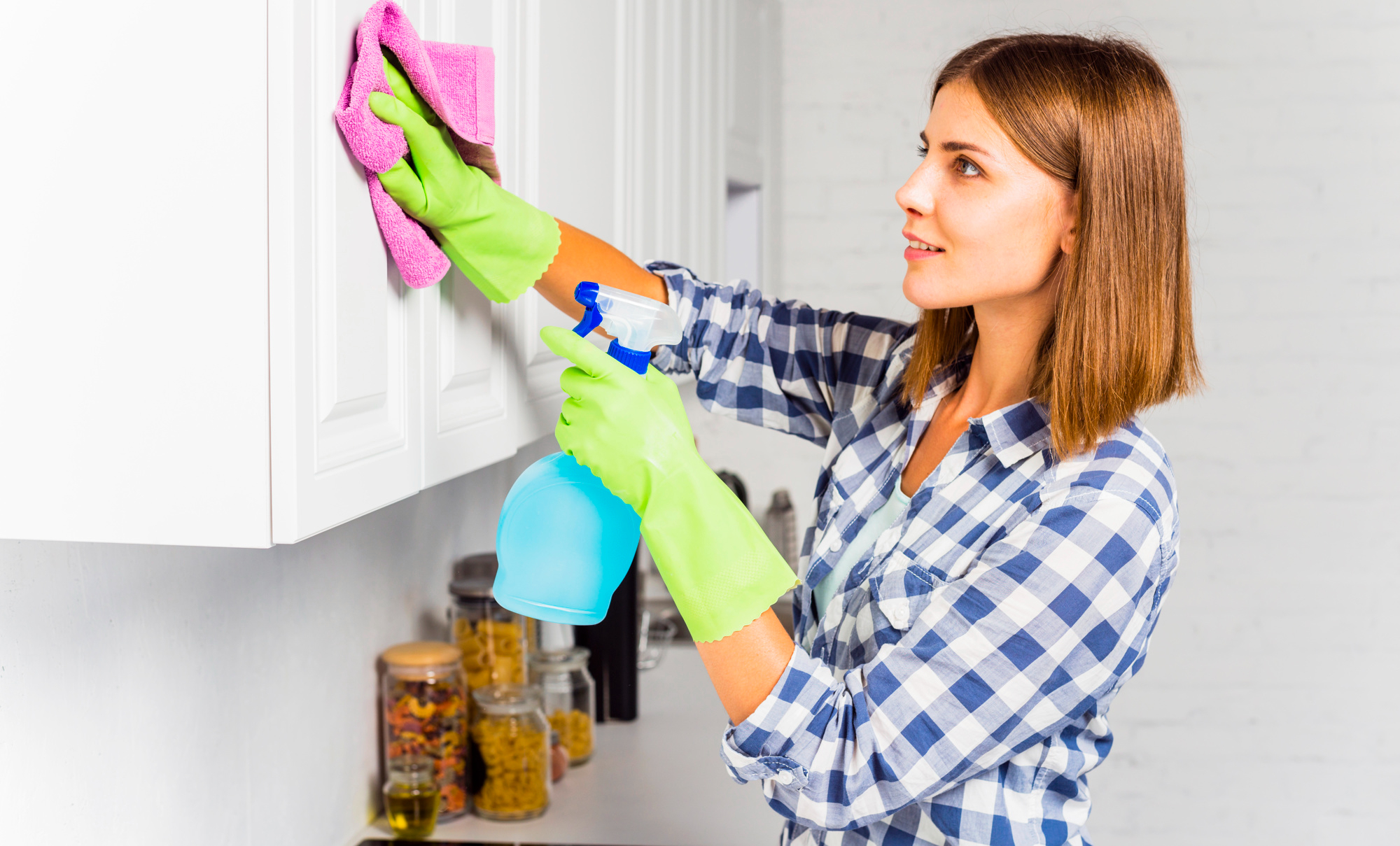
After cleaning, all surfaces, and especially countertops, high chairs, pet bowls, and food preparation areas, should be thoroughly rinsed with clean water. Leaving chemical residue behind creates unnecessary exposure through skin contact or ingestion. It’s particularly important in kitchens and in areas used by children or pets, who are more vulnerable to accidental injury from contact with chemicals.
Not Ventilating the Area Properly
Many cleaning products release volatile organic compounds (VOCs), fumes, or airborne particles during use. These substances can linger in the air long after cleaning is finished, posing a risk of irritation to the eyes, nose, throat, and lungs.
Proper ventilation is especially crucial when using sprays, disinfectants, oven cleaners, or powdered products. Individuals with allergies, asthma, and other chronic respiratory conditions are particularly vulnerable to airborne irritants, so extra caution is warranted. Open windows, turn on exhaust fans, and allow fresh air to circulate until odors and airborne residues have dissipated.
Mixing Different Cleaning Products
Combining cleaning agents is one of the most dangerous mistakes people make. Rather than creating a stronger cleaner, mixing products can trigger a hazardous chemical reaction. One of the most well-known examples is mixing bleach with ammonia, which produces toxic chloramine gases. Exposure can cause coughing, chest pain, shortness of breath, and severe eye and throat irritation.
You should also keep in mind that, because of lax disclosure requirements, household cleaning products may contain undisclosed or unspecified ingredients. For example, a bathroom cleaner may include bleach, while a glass cleaner may contain ammonia, and unintentionally mixing them can still put you in danger. The safest approach is to use one product at a time and never experiment with combinations unless the manufacturer explicitly states that it is safe to do so.
Storing Cleaning Products Improperly
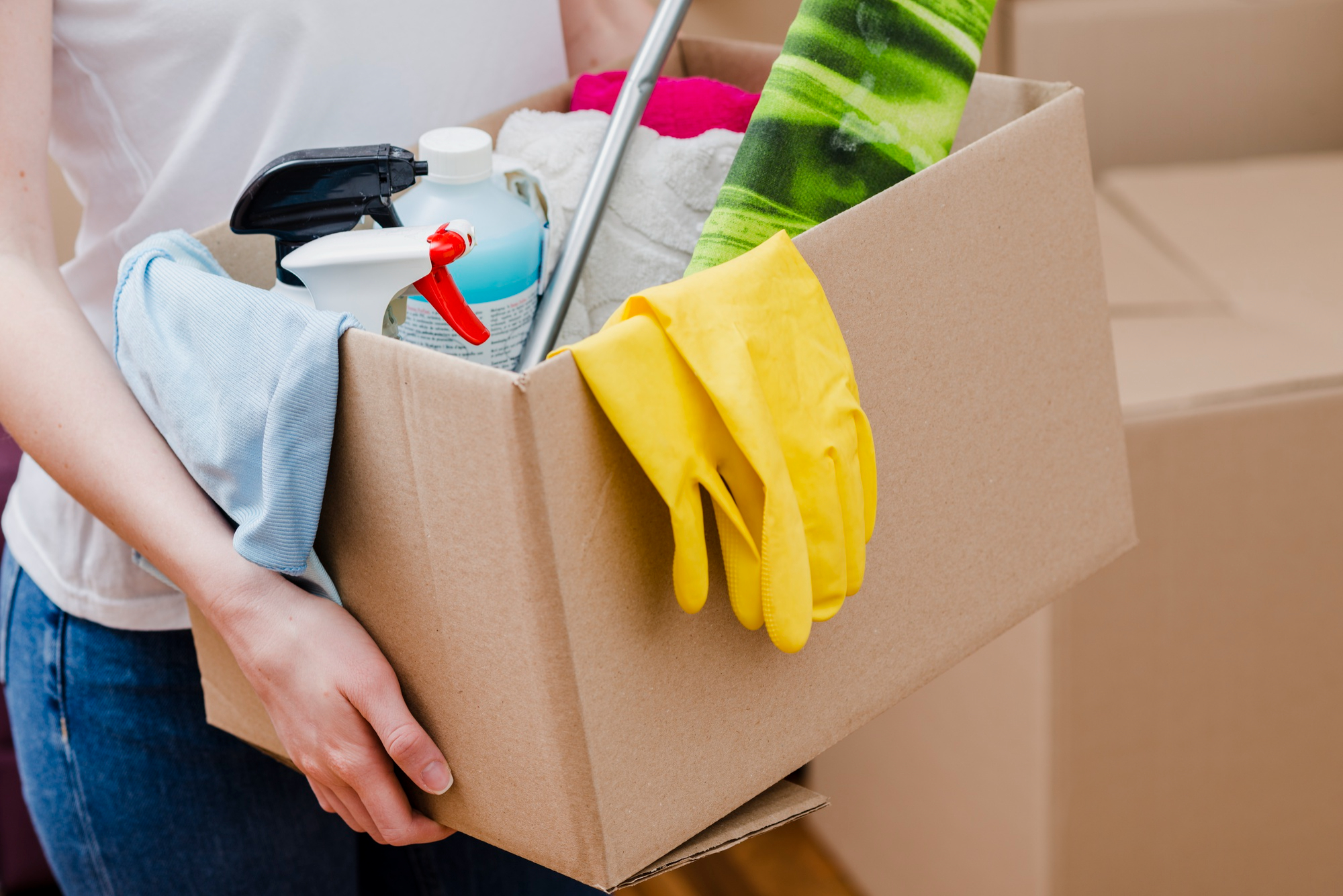
Safe use doesn’t end when the cleaning itself is done. All cleaning supplies should be kept in a cool, dry place, well out of reach of children and pets, and away from food, dishes, and pantry items. Even sealed products can release low levels of volatile organic compounds over time, contributing to indoor air pollution. Keeping them in a separate, well-ventilated storage area helps minimize this exposure.
Last but not least, never transfer cleaning products into food or beverage containers, as this creates a risk of inadvertent ingestion.
About the Creator
Ana Chur
Holistic health advocate and wellness writer
Enjoyed the story? Support the Creator.
Subscribe for free to receive all their stories in your feed.
Comments
There are no comments for this story
Be the first to respond and start the conversation.