
10 Ways to Stay in Great Shape at a Very Old Age
10 simple habits to help you stay strong, active, and well as you grow very old.

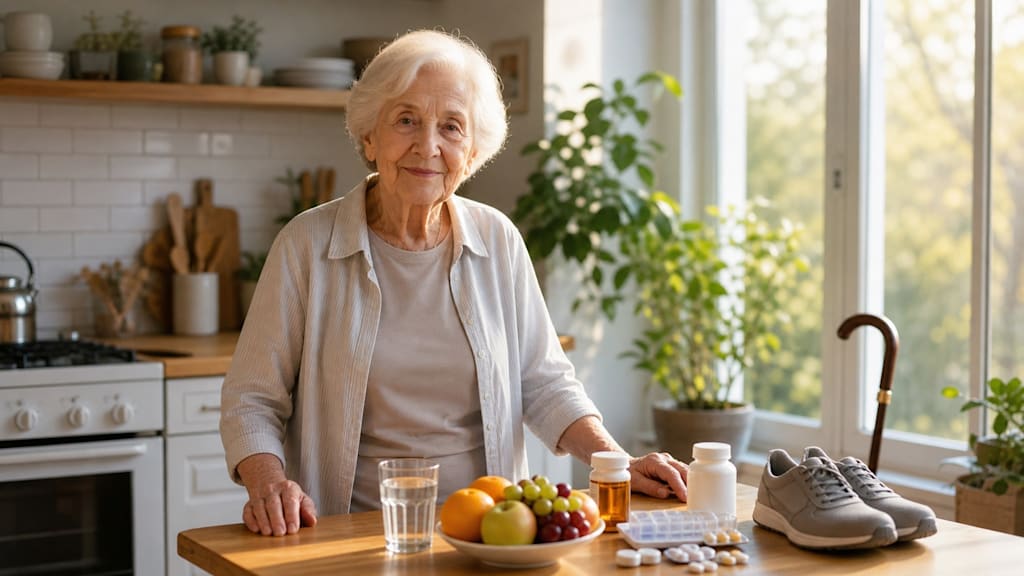
Getting very old is not a failure. It is not something to hide. It is not the end of being alive. In many ways, it is a victory. It means you have gone through years, changes, pain, surprises, losses, and lessons. You are still here. And that matters.
But let us be honest too. Growing very old can be hard. The body changes. Energy changes. Sleep changes. Balance may change. Memory may change. Even motivation can change. Things that once felt easy can take more time. Some days feel light. Other days feel heavy.
Still, there is good news.
Even at a very old age, there is a lot you can do to stay in good shape. Maybe not in the same way as when you were 30, 50, or even 70. But good shape is not only about speed, strength, or appearance. Good shape means staying as strong, clear, active, steady, and positive as possible for your age and your situation.
That is the real goal.
Not to become young again. Not to compete with anybody. Not to chase perfection. But to protect your energy, your dignity, your independence, and your joy.
And often, the best habits are not complicated. They are simple things, done with regular care.
Here are 10 strong and practical ways to stay in great shape when you are very old.
1. Keep moving every day
This is one of the most important rules of healthy aging.
The body is made to move. Even when movement becomes slower, it still matters. In fact, it may matter even more. When older people stop moving, they often lose strength, balance, flexibility, and confidence faster than expected.
You do not need hard exercise. You do not need to train like an athlete. You only need regular movement that fits your body.
A short walk in the house. A walk outside if possible. Standing up and sitting down a few times. Gentle stretching. Moving your arms and legs. Light chair exercises. Slow dancing in the living room. All of that counts.
The key word is daily.
It is better to move a little every day than to do too much once in a while. Small regular action helps the joints, the muscles, the heart, the lungs, and even the mood.
And movement is not only physical. It also sends a message to the mind: I am still active. I am still part of life. I am still going forward.
2. Eat enough, and eat smart
Many very old people eat too little without noticing it. Appetite can become smaller with age. Food may lose some taste. Cooking may feel tiring. Chewing may become harder. But the body still needs fuel.
In fact, when you are very old, eating well becomes even more important, because the body has less room for weakness.
Try to eat meals that give real strength. That means enough protein, enough healthy fats, enough fiber, enough vitamins, and enough water. Eggs, yogurt, fish, beans, soft vegetables, fruit, soups, oats, chicken, and other simple foods can help a lot.
Do not think only about eating less. Think about eating better.
If a full meal feels too heavy, smaller meals can help. A bowl of soup, some fruit and yogurt, a piece of toast with something nourishing, or a simple plate with good balance can be enough.
Food is not just comfort. It is support. It helps keep muscles, energy, immunity, and recovery.
And if eating has become difficult, that is not a small detail. It is something worth taking seriously.
3. Protect your sleep
A bad night can make everything feel harder. Balance feels worse. Patience gets smaller. Memory feels slower. The whole body can feel older in the morning.
Many very old adults struggle with sleep. They wake up too early. They wake up many times. They nap too long during the day. Or they stay in bed without really sleeping.
Perfect sleep is not always possible, but better sleep is often possible.
Try to keep a calm rhythm. Go to bed at about the same time. Wake up at about the same time. Get daylight during the day. Keep the bedroom quiet and comfortable. Reduce too much screen time or stress late in the evening if you can.
Also, do not ignore ongoing sleep problems. Poor sleep is not something to simply accept without question. Sometimes pain, medication, worry, breathing issues, or other health problems are part of it.
Good sleep is not a luxury. It is repair. It is recovery. It is strength for the next day.
4. Train your balance before balance becomes a problem
Many people only think about balance after a fall. But balance should be protected before trouble starts.
At a very old age, one fall can change many things. Confidence can drop. Fear can grow. Movement can become smaller. Independence can shrink.
That is why balance deserves daily attention.
Simple exercises can help: standing while holding a chair, rising slowly from a seated position, walking carefully with good posture, or doing guided senior exercises if they are safe for you. Even practicing how you move from bed to chair or chair to standing can make a difference.
Balance is not only in the legs. It is also in the eyes, the inner ear, the feet, the nerves, and the brain. Good shoes help. Good lighting helps. Clear floors help. Taking your time helps.
There is no shame in using support. A cane, a walker, handrails, or stable furniture are not signs of defeat. They are tools of wisdom.
Staying upright is part of staying free.
5. Keep your muscles alive
A lot of people think weakness is just a normal part of very old age. But while some loss of strength is common, doing nothing makes it worse much faster.
Muscles protect independence.
They help you stand up, sit down, carry things, walk, climb, turn, lift, and recover from small physical shocks. Stronger muscles also support better balance and lower the risk of injury.
You do not need large muscles. You need useful muscles.
Gentle strength work can help a lot. This may include chair rises, light hand weights, resistance bands, wall push movements, or simple guided exercises made for older adults. Even using your own body weight in safe ways can be enough.
The goal is not to impress anyone. The goal is to keep doing daily life.
If you can stand from a chair more easily, you gain freedom. If you can carry a bag, open a door, or keep your posture a little better, that matters. These are not small victories. They are real victories.
6. Do not let your mind go unused
The mind also needs exercise.
Very old age does not mean the end of mental growth. Yes, the brain may slow in some ways. Names may take longer. Focus may change. But the mind still responds to stimulation.
Reading, listening, talking, remembering, learning, singing, writing, doing word games, telling stories, asking questions, and trying new things all help keep the brain active.
You do not need to do something “intellectual” in a formal way. You only need to stay mentally engaged.
Call someone and have a real conversation. Read a page and think about it. Listen to music and remember the past. Learn how something new works. Watch a documentary. Say your thoughts out loud. Keep a notebook. Repeat a poem. Pray, reflect, observe, discuss.
An active mind gives shape to the day. It can also help protect mood and identity.
The goal is not to become a genius at 95. The goal is to remain mentally present in your own life.
7. Stay connected to people
Loneliness can wear a person down slowly. Sometimes it is quiet. Sometimes it hides behind habits. But over time, too much isolation can hurt the spirit, the mind, and even the body.
Human beings need contact.
This does not mean you need a crowd. It does not mean you need noise all day. It simply means relationships matter.
A short visit. A phone call. A neighbor. A grandchild. A friend. A caregiver who speaks kindly. A group activity. A familiar face in a local shop. These small contacts can bring life back into the day.
For very old people, social connection is not extra. It is part of health.
If you live alone, this matters even more. Do not wait only for people to come to you. If possible, call someone. Send a message. Join something small. Say yes to simple contact.
A warm conversation can do more than many people realize. Sometimes it lifts the whole body.
8. Take care of small problems early
One of the wisest habits in old age is this: do not ignore small problems.
A little pain in the foot. A bit of dizziness. Less appetite. New tiredness. A change in vision. Trouble sleeping. A toilet problem. A strange side effect. A small wound that does not heal well. These things may seem minor at first. But in very old age, small problems can grow fast.
Pay attention to changes.
That does not mean living in fear. It means respecting reality. The body speaks quietly before it speaks loudly.
It is often much easier to deal with a problem early than late. Good support at the right time can prevent bigger trouble.
This is also true emotionally. Sadness, anxiety, confusion, grief, or a loss of desire to do anything should not be brushed away too easily. Mental and emotional health are part of physical health too.
Strong aging is not about pretending everything is fine. It is about noticing what needs care.
9. Keep a reason to get up
This may be one of the deepest forms of health.
A person can have medicine, food, a chair, and a warm room, but still feel empty. Why? Because the human spirit also needs purpose.
Purpose does not have to be grand. It does not need to be public. It only needs to be real.
Maybe your reason is to talk to family. Maybe it is to water plants. Maybe it is prayer. Maybe it is feeding a bird outside the window. Maybe it is reading every morning. Maybe it is telling stories from the past. Maybe it is knitting, walking, writing, singing, or simply being present for someone.
A reason to get up gives energy a direction.
Without purpose, days can become flat. With purpose, even a small day has shape and meaning.
At a very old age, this matters greatly. The body may slow down, but the need for meaning does not disappear. In some ways, it becomes even more important.
Never believe that because you are old, your presence no longer matters. It does.
10. Be kind to yourself, but do not give up on yourself
This last point holds many of the others together.
There is a difference between accepting age and surrendering to it.
Accepting age means understanding your limits with honesty. It means adjusting with intelligence. It means resting when needed, using support when needed, and respecting the body you have today.
But giving up is different. Giving up says, “It is too late.” Giving up says, “Nothing I do matters now.” And that is often not true.
Even at a very old age, small efforts can still improve life. Better movement can help. Better food can help. Better sleep can help. Better support can help. Better routines can help. Better attitude can help.
So be gentle with yourself, yes. But do not speak to yourself as if life is already over when it is not.
Talk to yourself with courage.
You are not required to be perfect. You are not required to be young. You are not required to do everything alone.
You are only asked to stay engaged with life as well as you can.
That is enough. And that is honorable.
The deeper truth
Staying in great shape at a very old age does not mean looking young. It does not mean never feeling pain, never feeling tired, or never needing help.
It means protecting what can still be protected.
It means helping the body stay useful, the mind stay awake, the heart stay connected, and the spirit stay alive.
That kind of fitness is not built in one day. It comes from many small acts repeated with care. A walk. A good meal. A phone call. A stretch. A rest. A laugh. A decision not to give up.
And maybe that is the most beautiful part.
At a very old age, health is no longer about showing off. It becomes something deeper. Something quieter. Something more human.
It becomes the art of staying present.
The art of staying steady.
The art of saying, “I am still here, and I will take care of this life as well as I can.”
That is strength.
That is dignity.
And that is what being in great shape can really mean.
A simple final reminder
If you are very old and still trying, that already says something good about you.
If you still care about your body, your thoughts, your habits, your peace, and your daily life, then you are already moving in the right direction.
Do not think only in terms of what has been lost.
Think also about what can still be built.
A little more strength.
A little more balance.
A little more calm.
A little more connection.
A little more life in the day.
That is not small.
That is a beautiful goal.
About the Creator
Bubble Chill Media
Bubble Chill Media for all things digital, reading, board games, gaming, travel, art, and culture. Our articles share all our ideas, reflections, and creative experiences. Stay Chill in a connected world. We wish you all a good read.
Enjoyed the story? Support the Creator.
Subscribe for free to receive all their stories in your feed. You could also become a paid subscriber, letting them know you appreciate their work.
Comments
There are no comments for this story
Be the first to respond and start the conversation.