advice
Workplace advice for any issue, problem, or concern; from changing careers to co-working advice and decorating needs.
Is a Trade Show Booth Still Worth the Money in 2026?
The deposit invoice usually lands months before the show. Booth space, electrical, carpet, a drayage estimate nobody on the team fully understands, and a separate fee just to rent the badge scanner that will record every visitor who stops by. You pay it in the fall for an event in the spring. By the time the doors open, most of the money is gone.
By Leury Pichardoabout a month ago in Journal
UNPOPULAR OPINION: Shane Gillis
UNPOPULAR OPINION: Shane Gillis, Gym Culture, and the Art of Not Blaming Just One Side Should Shane Gillis have called women whores because of the way they dress at the gym? No. Absolutely not. But does that mean women get a free pass from criticism when it comes to the culture they help create? Also no.
By Lilithea Adasiaabout a month ago in Journal
Color Drenching Ideas by Interior Designer Vladimir Krull
What Color Drenching Really Means Most of us grew up with the same painting formula: white ceiling, colored or neutral walls and white trim. Color drenching breaks that pattern. Instead, you paint the walls, the trim, the doors and often the ceiling in one single color. The room becomes a continuous, enveloping space. I am an interior designer, and this is one of the techniques I recommend most often, because it changes a room dramatically with only paint. Let me walk you through how it works and how to do it well. Why It Works So Well When trim and ceiling stand out in white, your eye sees the edges of the room. When everything shares one color, those edges soften, and the space feels more unified. A small room can even feel larger and more intentional, because your eye is no longer chopping it into pieces. There is also an emotional effect. A fully colored room feels like a decision, not a default. It has atmosphere, and it makes furniture and art stand out against a calm, consistent background. Choosing Your Color This is the most important step, and I never rush it. Drenching works with dark colors, but it also works with soft ones. A pale sage, a warm clay or a creamy butter yellow can be just as effective as deep navy. Start with how you want the room to feel. A bedroom might suit a muted, restful tone. A dining room can handle something richer and more dramatic. Then look at the light. A north-facing room will make colors look cooler, while a south-facing room warms them up. Always Test Before You Commit Paint a large sample board, at least a meter wide, and move it around the room. Look at it in the morning, at midday and in the evening with lamps on. Colors shift a lot, and a shade that looks perfect on a small card can feel overwhelming across four walls. Live with the sample for a few days. If you still love it after seeing it in every kind of light, you have probably found the right one. Use Different Sheens for Subtle Variation Here is a trick that keeps a drenched room from looking flat. Use the same color but vary the finish. I often choose a matte or eggshell finish for the walls, a slightly shinier satin for the trim and doors, and a flat finish for the ceiling. Because the color stays the same, the room feels unified. Because the sheen changes, light bounces differently, and you see gentle variation. It adds depth without breaking the single-color idea. Do Not Forget the Ceiling Painting the ceiling is what makes drenching feel complete. A pale ceiling over deep walls creates a line that interrupts the effect. When the ceiling matches, the room feels like a cozy, tailored box. If you are nervous about a dark ceiling, try a slightly lighter tint of the wall color. It keeps the harmony while giving a little lift. In rooms with very low ceilings, I often choose lighter shades overall to avoid a heavy feeling. Furniture, Art and Accents Once the walls are done, treat furnishings as contrast. Natural wood, brass, stone and warm textiles look wonderful against a deep color. Pale linen curtains or a cream rug can add lightness. You can also choose accents in a similar family. In a green room, for instance, a few objects in darker or lighter greens add richness. Hang art with simple frames so the color stays the focus. And do not worry about everything matching exactly. The paint is doing the heavy lifting. Lighting Makes or Breaks the Result A drenched room depends on good lighting. Dark colors absorb light, so plan several sources: floor lamps, table lamps and wall lights with warm bulbs. Avoid relying on a single overhead fixture, which can look harsh and flat. In daytime, make the most of windows. Light curtains and mirrors can help bounce brightness around so the color feels deep but not heavy. Common Mistakes I See The first is skipping preparation. Drenching shows every flaw, especially on trim and doors, so fill holes, sand and prime properly. The second is choosing a color from a tiny swatch without testing it. The third is painting only half the room, such as walls in color and trim in white, then calling it drenching. Another point: use quality paint. Dark colors often need extra coats, and cheap paint can look patchy. Where to Begin If you are hesitant, start with a small room such as a powder room, a hallway, a home office or a reading corner. These are forgiving spaces where a bold choice feels exciting rather than risky. Once you see how transformed a small space becomes, you may feel braver about the living room or bedroom. Final Thoughts Color drenching is not about being loud. It is about being decisive. When you commit to one color across every surface, the room gains character, calm and a strong sense of identity. Choose a shade you truly love, test it patiently and prepare your surfaces well. The reward is a room that feels designed, warm and completely your own.
By Vladimir Krullabout a month ago in Journal
Vladimir Krull: 7 Interior Design Trends for 2027
Why I Watch Trends but Never Follow Them Blindly Every autumn, people ask me what is coming next in interior design. I enjoy the question, but I always answer with a warning: a trend is a tool, not a rule. The best rooms I have seen never looked like a catalog page. They looked like the people who lived in them. Over the years I have learned that the loudest trends age fastest, while the quiet ones tend to stay useful. That is why I look for the reasons behind a style before I recommend it to anyone. Still, patterns do appear, and they tell us how people want to feel at home. As I look toward 2027, I see a clear move away from showy and toward calm, honest and personal. Below are the seven directions I am watching most closely, along with my advice on using each one without regretting it three years from now. 1. Warm Minimalism Gets Softer Cold white boxes are fading. I still love clean lines and clear surfaces, but people now want warmth alongside them. Think creamy off-whites, oatmeal, soft clay and wood with visible grain. The goal is a room that feels quiet rather than empty. My advice is simple. Edit what you own, then keep a few pieces with real character. One handmade bowl on a clear shelf says more than ten matching accessories ever could. 2. Texture Does the Talking Color will always matter, but texture is becoming the real star. I am seeing limewash and plaster walls, bouclé and linen upholstery, rough stone and brushed metal. In a restrained palette, texture is what gives a room depth. When I plan a space, I try to include at least three different surfaces: something smooth, something rough and something soft. That mix keeps a neutral room from feeling flat, and it invites people to touch things, which is a quiet kind of luxury. 3. Deep, Earthy Color Returns After years of pale walls, I expect more people to try rich color. Moody greens, burnt umber, deep terracotta and ink blue all feel grounded and grown-up. They make a room feel wrapped, almost like a hug. You do not need to commit a whole house. Start with a study, a dining room or even a single wall behind a bed. Always test large paint samples and look at them in morning and evening light, because dark colors change a lot during the day. 4. Homes That Breathe Biophilic design, which simply means bringing nature indoors, is moving past the occasional potted plant. I see more thought about natural light, views, airflow and honest materials like wood, cork and clay. I do not mean turning your living room into a jungle. I mean arranging seating near windows, choosing plants that suit your actual light, and using natural finishes that age well. A home that connects you to the outdoors usually feels calmer, and that matters more than any fashionable color. 5. Sustainability Becomes the Standard For a long time, sustainable design was treated as a special category. I believe by 2027 it will simply be part of good design. Reclaimed timber, vintage furniture, repairable pieces and durable fabrics are all gaining ground. My own rule is to buy fewer things and buy them well. A solid chair that can be reupholstered will outlive three cheaper ones. Mixing antiques with modern pieces also gives a room history, which new furniture alone rarely achieves. 6. Technology That Stays Out of Sight Smart homes are growing up. People no longer want visible gadgets everywhere. They want lighting scenes that shift through the day, shades that open on a schedule, hidden speakers and charging points tucked inside furniture. The best technology is the kind you forget about. The key is planning early. Wiring, outlets and control points are far easier to place before walls are finished, and a good plan keeps the design clean instead of cluttered with cables and screens. 7. Personal, Collected Interiors This is the trend I love most. Homes are becoming more individual, filled with art, books, travel finds and inherited pieces. Matching furniture sets feel less appealing than a room built slowly over time. If you are starting from scratch, do not rush. Buy the large essentials first, then add objects as you find ones you truly like. A flea market lamp, a family photograph in a good frame or a small painting from a local artist can give a space more soul than any showroom display. Final Thoughts: Choose What Fits Your Life If there is one idea connecting all seven trends, it is intention. People want rooms that feel considered, comfortable and true to them, rather than rooms designed to impress strangers. Pick two or three of these ideas that genuinely appeal to you and leave the rest. A home that tries to follow every trend usually ends up following none of them well. So before you repaint or buy anything, ask yourself how you want to feel in the space. Then let a trend help you get there, only if it fits. That approach has never failed me, and I expect it will serve you well in 2027 and long after.
By Vladimir Krullabout a month ago in Journal
Collecting Stories Without Realising it
Muddy kisses on the window. Plants beside the glass. Another call of ‘Mam’. Another question. These are among the ordinary details that found their way into Mam, Mam, Mam . Small things belonging to our summer days at home, familiar enough that I could have lived alongside them without recognising how much they had to do with writing.
By Laura Janeabout a month ago in Journal
How to Use TikTok Search Optimization to Reach a Wider Audience
TikTok search optimization is the habit of building your videos so that people typing a question into the search bar end up watching yours. It sounds like a small tweak, but a lot of people now open TikTok the way they'd open a search engine, looking for a recipe, a product review, a quick tutorial or a place to visit, and the creators who show up for those searches keep getting views long after the post goes out. The good news is that none of this needs special software. It comes down to knowing what your audience types, saying and writing those words in the right places, and giving the app good reasons to keep your video near the top.
By Salman Ashrafabout a month ago in Journal
What Is Entailed In "Psychophysiology" From A Leadership And Sageship Perspective
Written by a human, for humans, always. What is "Psychophysiology"? It is a question that I am asked frequently when I talk about how important it is in Sageship...
By H.E. Dr. Cody Dakota Wooten, COIE, DFM, DHMabout a month ago in Journal
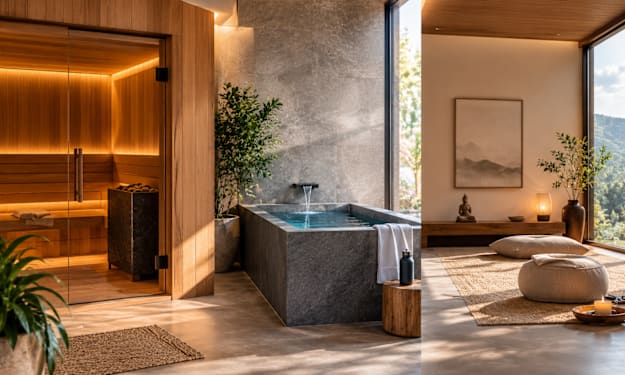
Vladimir Krull on Home Wellness Spaces: Saunas, Cold Plunges, and Meditation Rooms. AI-Generated.
A few years ago, a wellness routine meant leaving the house: a gym, a spa, a studio. Today more people want those moments at home. Houzz's 2026 U.S. Fall Design Trends Report points to rising interest in rooms built for rest and recovery, such as saunas, cold plunges, and meditation corners. As a designer, I find that exciting, because it changes how we think about square footage. Instead of asking only where guests will sit, we ask where the household will recharge. Here is how I would approach each of these spaces, what to think about before you build, and how to start even on a small budget.
By Vladimir Krullabout a month ago in Journal
Vladimir Krull on Layering Natural Materials: Wood, Stone, and Texture in Modern Homes
If you ask me what separates a house that feels memorable from one that feels merely tidy, I usually point to materials. Paint and furniture matter, but what you touch and see up close, like the grain in wood, the cool weight of stone, or the weave of a fabric, shapes how a room feels long after the trends have passed. Houzz's 2026 U.S. Fall Design Trends Report shows homeowners building rooms out of warm woods, real stone, and a mix of tactile finishes. Here is how I think about doing that well, and how you can do it in your own home without making the space feel crowded.
By Vladimir Krullabout a month ago in Journal