
The Importance of Sex
why sex is important in our daily lives
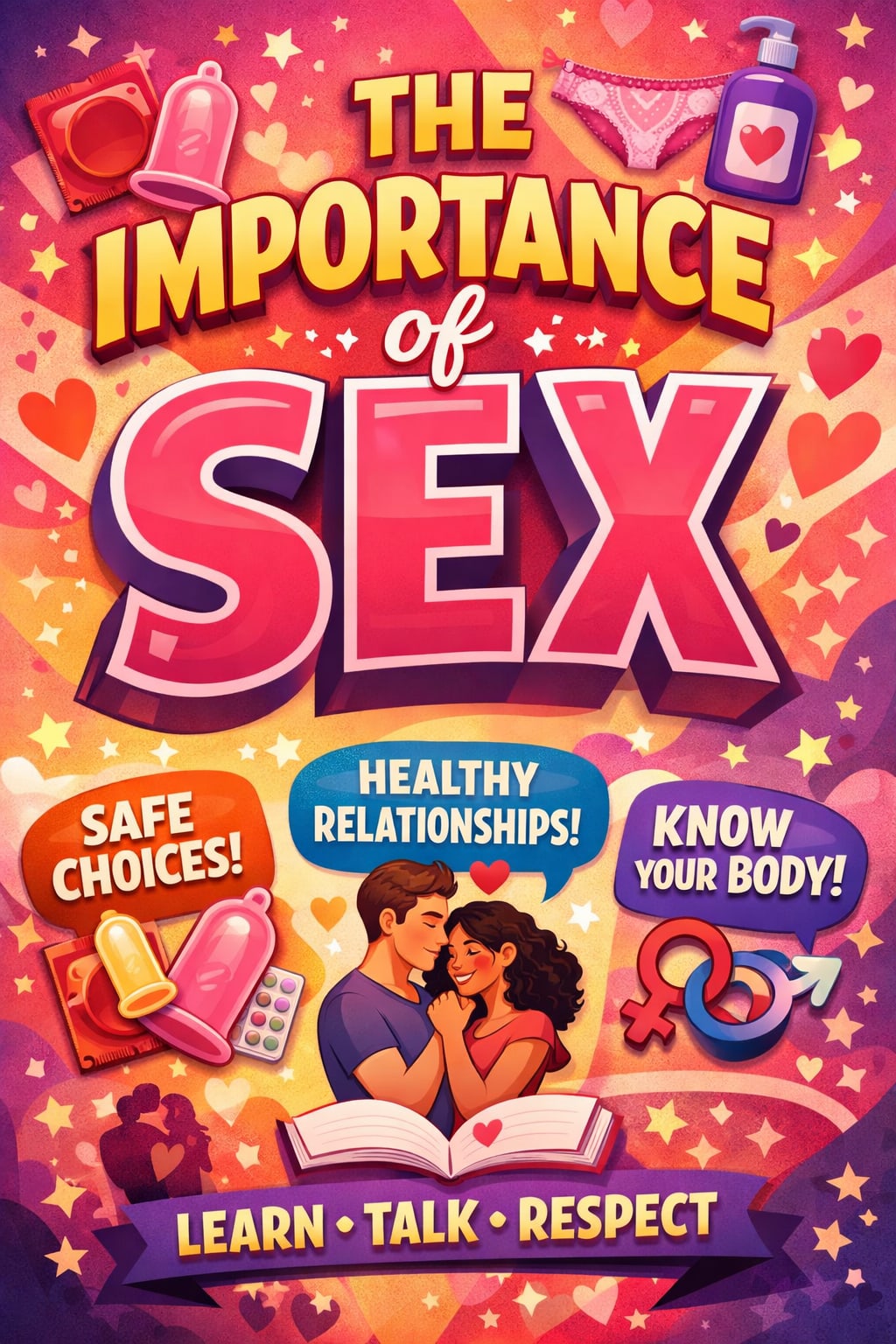
The Importance of Sex in Human Life Sex is one of the most fundamental aspects of human existence. Beyond reproduction, it shapes our biology, psychology, relationships, and even the way societies function. While culture and personal values influence how people view sex, its role in health and human connection is supported by decades of research across medicine, anthropology, and psychology. Understanding why sex matters helps remove stigma and allows people to make informed choices about their bodies and relationships. Physical Health and Biology From a biological standpoint, sex serves an obvious purpose: reproduction. The continuation of the species depends on it. But the physical importance of sex does not end there. Regular sexual activity has been linked to several measurable health benefits. Studies suggest that it can support cardiovascular health by increasing heart rate and improving circulation in ways similar to moderate exercise. During arousal and orgasm, the body releases a mix of hormones including oxytocin, dopamine, and endorphins. Oxytocin, often called the bonding hormone, helps reduce stress and promotes feelings of trust and connection. Endorphins act as natural pain relievers and mood elevators. Dopamine reinforces pleasure and motivation. Research from the National Institutes of Health has also connected sexual activity with stronger immune function. One study found that people who had sex once or twice per week had higher levels of immunoglobulin A, an antibody that helps defend against common illnesses. For men, regular ejaculation has been associated with a lower risk of prostate issues later in life. For women, sexual activity increases blood flow to the pelvic region, which supports vaginal health and can reduce discomfort associated with menopause. None of these benefits mean sex is a replacement for exercise, sleep, or medical care, but they show that it is part of a healthy physiology for many adults. Mental and Emotional Wellbeing The psychological role of sex is just as significant as the physical. Sex can be a powerful stress reliever. The hormonal changes that occur during intimacy lower cortisol, the body’s primary stress hormone. This is why many people report feeling calmer and sleeping better after sex. Over time, this stress reduction can contribute to lower anxiety and a more stable mood. Sex also affects self-esteem and body image. Positive sexual experiences where partners feel desired and respected can reinforce a person’s sense of worth. Conversely, negative experiences, pressure, or lack of communication can harm self-image. This is why consent, communication, and emotional safety are not separate from the physical act. They are what determine whether sex supports or damages mental health. For people in long-term relationships, sexual intimacy often serves as a barometer for overall connection. It is not the only measure of a healthy partnership, but many couples report that a satisfying sex life helps them feel closer, resolve conflict more easily, and maintain affection outside the bedroom. The release of oxytocin during sex promotes bonding, which helps explain why couples who maintain physical intimacy often describe higher relationship satisfaction. Social and Relational Importance Humans are social creatures, and sex has always been tied to pair bonding. Anthropologists note that unlike most mammals, humans form long-term partnerships and raise children over many years. Sexual intimacy helps create and maintain those bonds. It builds trust, encourages vulnerability, and creates shared private experiences that distinguish romantic partners from friends. Sex also plays a role in communication. Not all important feelings are easy to express with words. Physical intimacy can communicate desire, care, forgiveness, and reassurance in ways that conversation sometimes cannot. Couples who talk openly about sex tend to report better communication in other areas of their relationship as well. Learning to discuss boundaries, preferences, and discomfort builds skills that transfer to finances, parenting, and conflict resolution. On a broader scale, cultural attitudes toward sex influence public health. Societies that provide accurate sex education see lower rates of unintended pregnancy and sexually transmitted infections. When sex is treated as a normal part of adult life rather than a taboo, people are more likely to seek testing, use protection, and talk to doctors about problems like pain or dysfunction. This openness reduces shame and improves outcomes for everyone. Personal Development and Identity Sex is also tied to identity. For many adults, understanding their own desires, boundaries, and orientation is part of understanding themselves. The process of learning what feels good, what does not, and how to communicate that to a partner builds self-awareness. It requires honesty, which is a skill that benefits every area of life. For some, periods without sex are also important. Choosing abstinence for personal, religious, or health reasons is equally valid. The key factor is autonomy. Whether someone has sex often, rarely, or not at all, the ability to make that choice without coercion or shame is what supports wellbeing. Problems arise when people feel forced into sex they do not want, or shamed for wanting sex that is safe and consensual. Challenges and Misconceptions Despite its importance, sex is often misunderstood. One common misconception is that frequency equals quality. Research shows that satisfaction depends more on the quality of connection than on how often sex occurs. Another misconception is that desire should be spontaneous and constant. In reality, desire fluctuates with age, stress, health, and relationship dynamics. Many long-term couples find that planned intimacy works better than waiting for spontaneous urges. Medical issues can also affect sex. Conditions like diabetes, depression, and cardiovascular disease can lower libido or cause dysfunction. Medications, childbirth, and aging change how the body responds. These challenges are common and treatable, but stigma keeps many people from talking to doctors. Recognizing that sex is a health issue, not just a lifestyle issue, helps people seek care without embarrassment. Conclusion Sex matters because humans are physical, emotional, and social beings. It contributes to physical health through hormone regulation, cardiovascular activity, and immune support. It supports mental health by reducing stress and building self-esteem when practiced with consent and respect. It strengthens relationships by fostering bonding, trust, and communication. And it helps individuals understand themselves through the process of setting boundaries and expressing desire. None of this means sex is mandatory for a good life. People are different, and a fulfilling life can take many forms. But for most adults, safe and consensual sex is a meaningful part of health and connection. Treating it as a normal, discussable topic allows individuals and societies to gain the benefits while minimizing harm. Open education, honest communication, and respect for personal choice are what allow sex to play a positive role in human life.
About the Creator
Enjoyed the story? Support the Creator.
Subscribe for free to receive all their stories in your feed.
Comments
There are no comments for this story
Be the first to respond and start the conversation.