
The Fear Machine: How Clickbait Culture Controls the Masses
In a society addicted to panic, fear isn’t an accident, it’s a product.

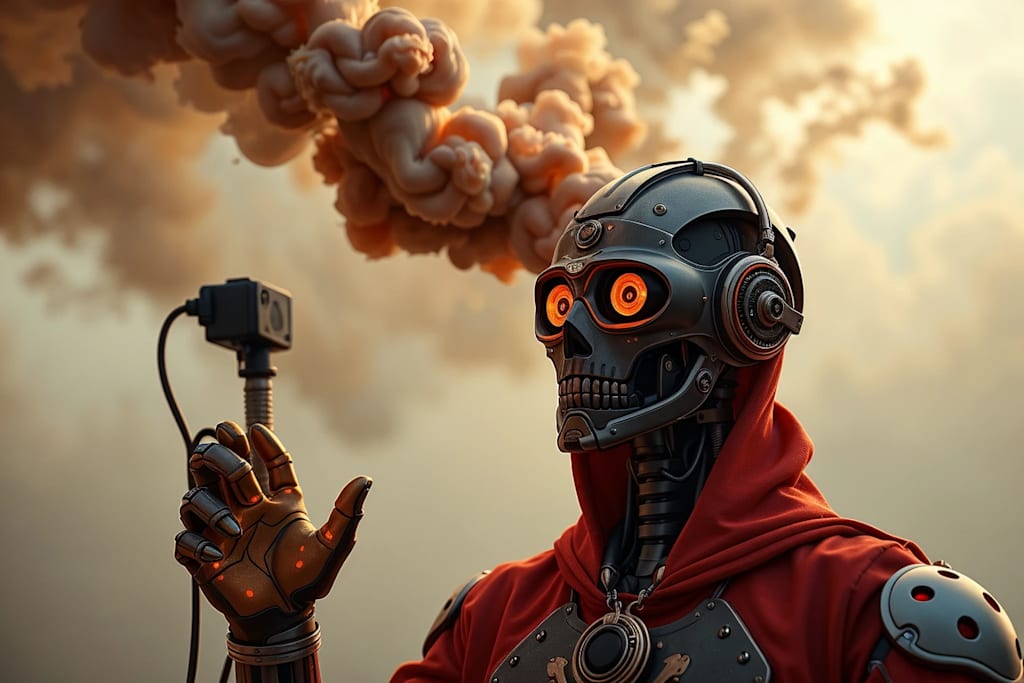
I wrote this, created, and edited this article. As always I guess I am taking on the Pope. He gave a dire warning to shut everything down. The Catholic Church is another story. No, I will not step one foot into a church. Not because I don't believe but because I do not a building to worship. I disagree with the Catholic or any church that protects men who rape children and women. The authoritarian management style always got on my last nerve. AI is used in medicine, science, electric cars, computers, your cars, your cell phone, and we must learn to use iot for good not evil. I utilize AI tools. I have been copying and pasting since the invention of the copy machine.
copyright 2026
Trusselli Art
The Fear Machine: How Clickbait Culture Controls the Masses
In a society addicted to panic, fear isn’t an accident, it’s a product.
Fear used to be a headline at the grocery store checkout, a tabloid whispering about aliens and scandals while you waited for your turn. Now it’s the entire internet. Fear has become the national language, the emotional currency, the algorithmic fuel that keeps people scrolling, arguing, panicking, and consuming. In a fear based society, the truth doesn’t matter the reaction does. And nothing generates reaction faster than telling people the world is ending, their tools are dangerous, and their neighbors are the enemy.
The Psychology Behind Clickbait Panic
Fear is the fastest way to hijack the human brain. It bypasses logic, bypasses nuance, bypasses critical thinking, and goes straight to the survival centers. Clickbait culture knows this and exploits it with surgical precision.
When people see a headline that triggers fear, their brain releases a cocktail of stress chemicals that make them:
• scroll faster
• react stronger
• share impulsively
• believe without verifying
Fear creates urgency.
Urgency creates engagement.
Engagement creates profit.
This is why clickbait doesn’t just inform it activates. It’s designed to make people feel like something terrible is happening right now, even when nothing is happening at all.
Why fear works so well on the masses
Fear simplifies the world into two categories:
• safe
• dangerous
And anything new especially new art tools automatically gets thrown into the “dangerous” bucket by people who are already overwhelmed by life.
Fear-based societies are especially vulnerable because:
• People are exhausted
• People feel powerless
• People don’t trust institutions
• People are drowning in information
• People are desperate for certainty
So, when a headline screams:
• “AI is destroying creativity!”
• “The Pope condemns AI!”
• “Artists are cheating!”
The fearful brain grabs onto it like a life raft.
Not because it’s true.
But because it’s simple.
Clickbait panic is engineered
It’s not random.
It’s not accidental.
It’s not organic.
It’s a system built on:
• emotional manipulation
• outrage cycles
• algorithmic amplification
• psychological vulnerability
The Fear Machine doesn’t need accuracy.
It needs reaction.
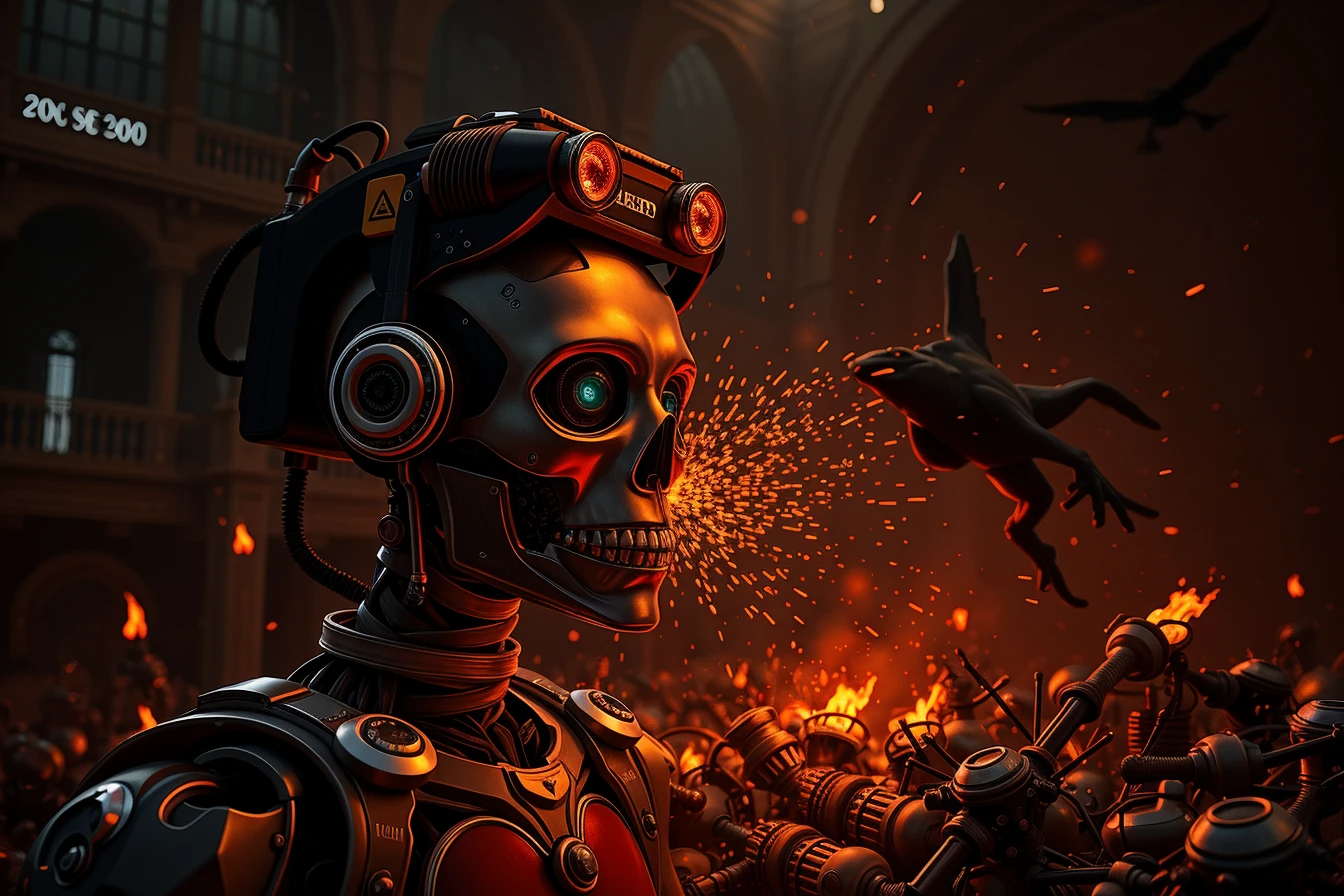
And the more people panic, the more the machine profits.
Artists get caught in the crossfire
Because artists represent:
• change
• imagination
• innovation
• possibility
And fear-based societies hate all four.
So, the machine points its spotlight at the newest tool oil paint, photography, synthesizers, CGI, AI and tells the masses:
“Be afraid. This threatens everything you know.”
And the masses, already primed by fear, believe it.
protecting my sanity as a creative truth teller in a fear-based society that constantly screams at creativity, demeans others that don't follow their fear, and the irony of it all is that fear mongers are afraid of themselves.
Protecting My Sanity as a Creative Truth Teller in a Fear Based Society
Being a creative in a fear based society is like trying to paint during a hurricane. The noise is constant, the panic is contagious, and the moment you lift your brush, someone screams that you’re doing it wrong. Fear driven people don’t just fear the world they fear anyone who refuses to join them in their panic.
And that’s the irony:
the fear mongers are terrified of themselves.
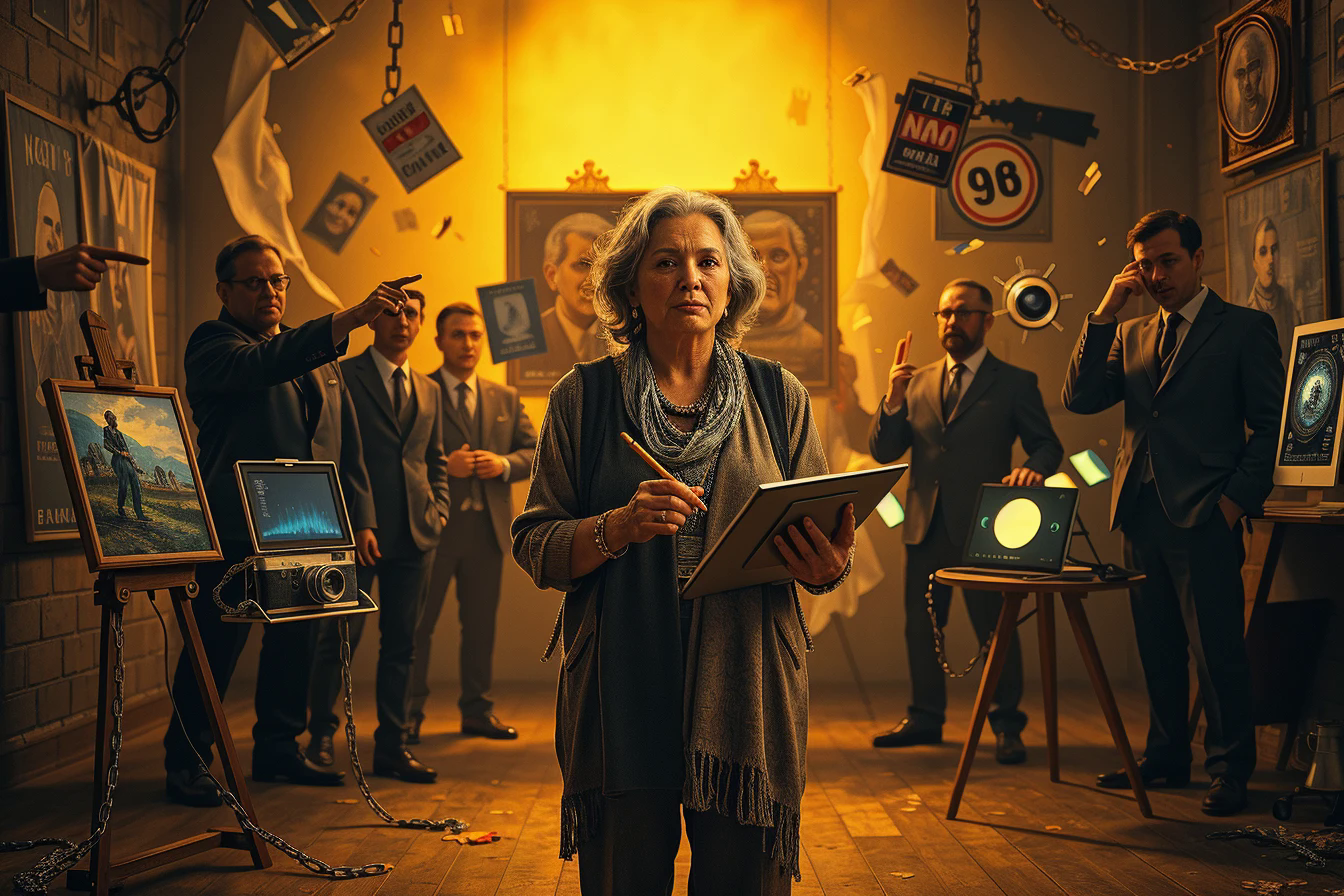
They project their inner chaos outward, turning their own anxiety into a public performance. They shout at creativity because creativity exposes what fear tries to hide possibility, imagination, freedom, and the courage to see beyond the present moment.
Fear based societies always attack what they don’t understand:
• they scream at innovation
• they demean anyone who doesn’t mirror their panic
• they gossip to maintain control
• they tear down progress because progress threatens their worldview
And when you’re a creative truth teller, you become a mirror they can’t stand to look into.
So how do I protect my sanity?
I protect it by remembering:
• Fear is loud, but it’s not wise.
• Fear is contagious, but so is clarity.
• Fear wants obedience; creativity wants expansion.
• Fear shrinks; art opens.
• Fear demands conformity; artists refuse to shrink.
I protect my sanity by refusing to internalize the panic that isn’t mine.
I protect it by recognizing that fear driven people aren’t actually fighting me they’re fighting the parts of themselves they’ve never faced.
I protect it by staying rooted in my own vision, my own tools, my own curiosity, and my own truth.
I protect it by creating it anyway.
Because in a fear based society, the artist’s greatest act of rebellion is simply continuing to make art.
The New Witch Hunts: Why AI Became the Latest Scapegoat
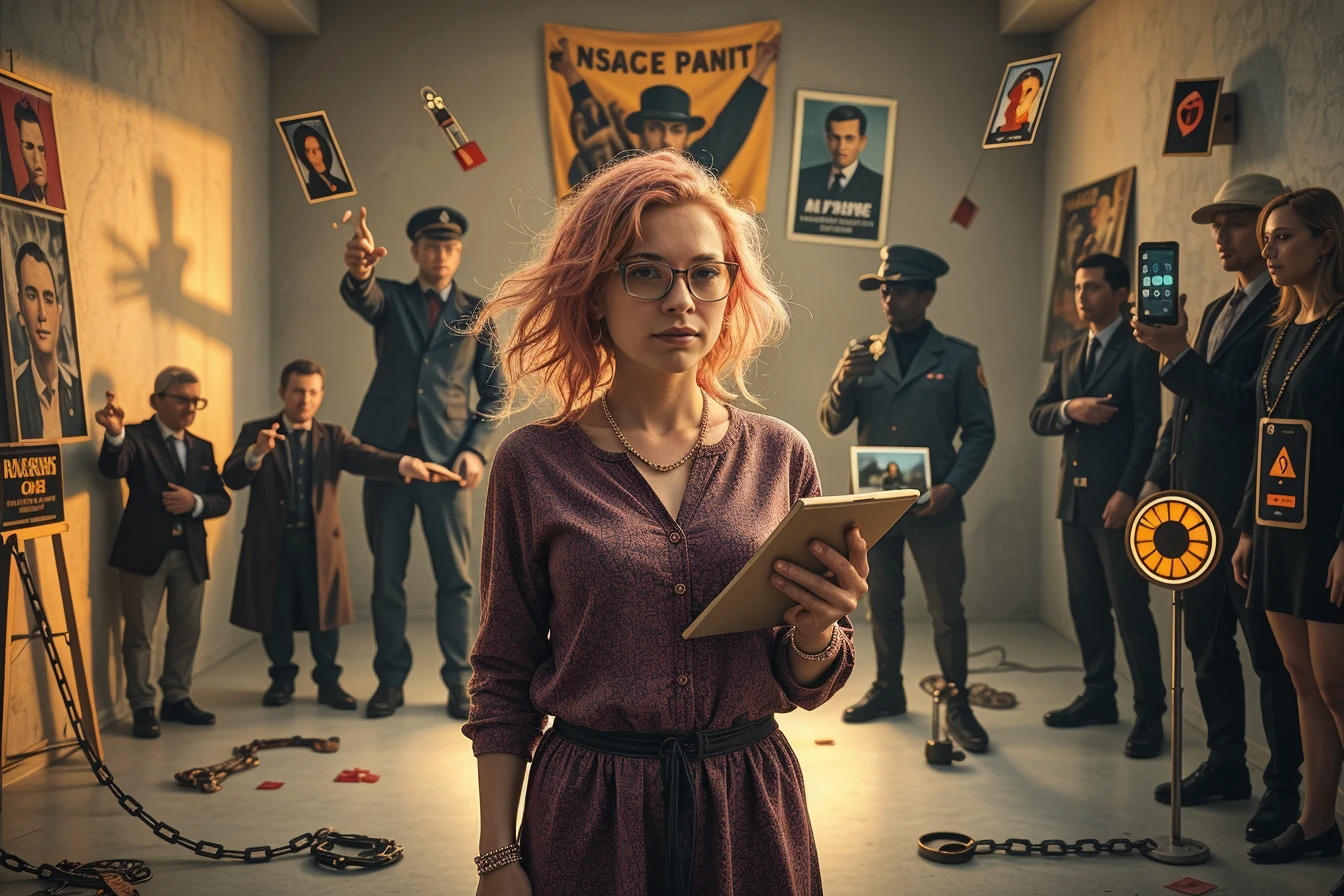
Every era has its witch hunts moments when society, overwhelmed by change, chooses a scapegoat instead of facing its own reflection. Today, that scapegoat is AI.
AI has become the new “dangerous thing,” the new symbol of everything people don’t understand, don’t control, or don’t want to confront. And just like past witch hunts, the accusations aren’t really about the tool. They’re about the fear underneath.
Fear-based societies always look for something to blame:
• minorities
• women
• outsiders
• innovators
• anyone who doesn’t mirror the dominant fear
• and now, AI
The pattern is ancient:
When people feel powerless, they look for something to punish.
We live in a time where fear is everywhere fear of war, fear of economic instability, fear of social change, fear of each other. Every day, the headlines scream about conflict, division, and crisis. And when people are overwhelmed, they become easier to manipulate.
Fear becomes a language.
Fear becomes a habit.
Fear becomes a tool.
And the people who benefit from fear of political actors, media ecosystems, power structures know exactly how to use it. When they feel challenged, they amplify fear even louder. Because a fearful population is a distracted population. A fearful population is a quiet population. A fearful population talks about danger instead of solutions.
If people fear, they don’t question.
If people fear, they don’t imagine.
If people fear, they don’t create.
If people fear, they don’t challenge power.
If people fear, they don’t fear, they don’t speak about anything but fear.
That’s why AI became the perfect scapegoat.
It’s new.
It’s misunderstood.
It’s powerful.
It’s creative.
It’s disruptive.
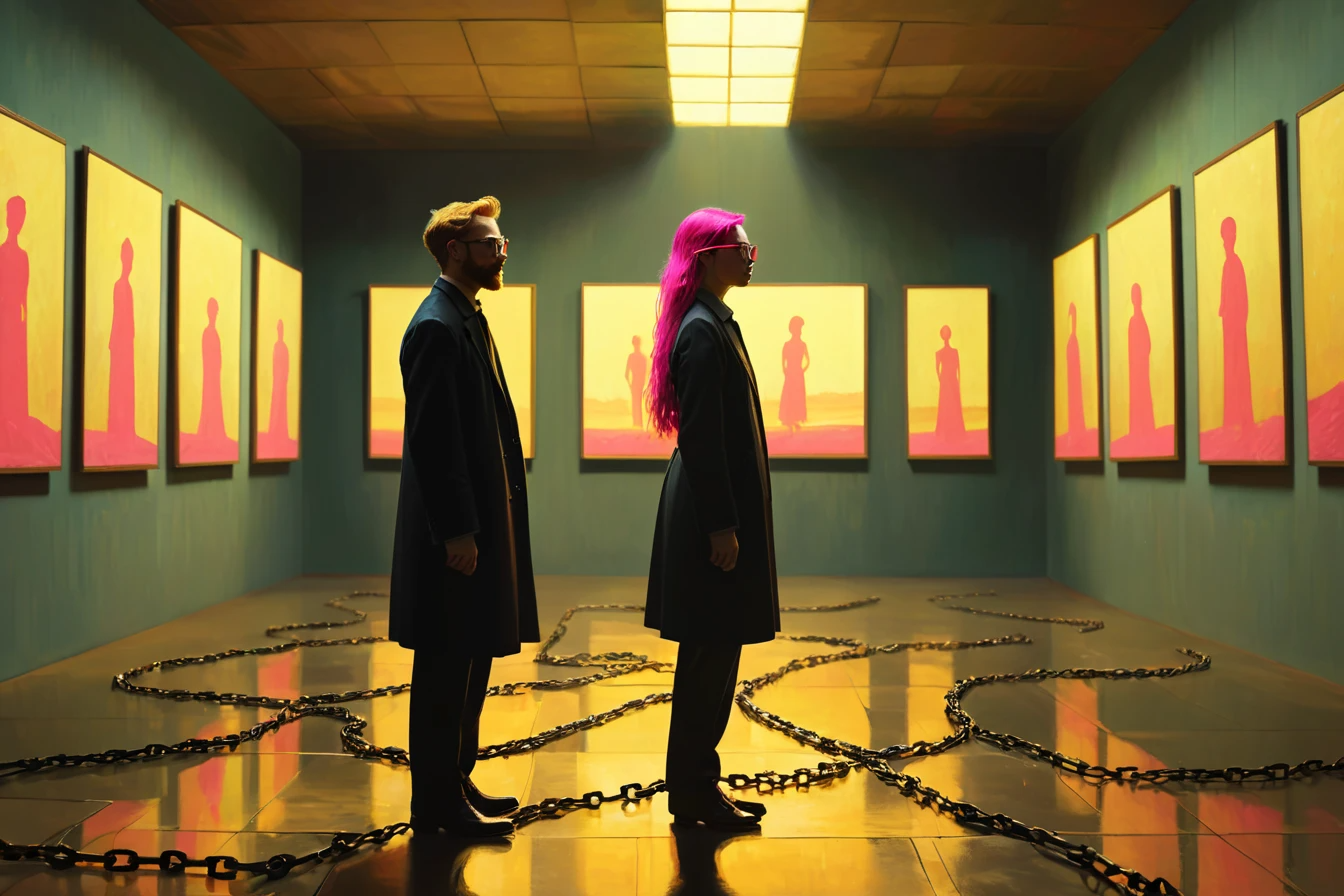
And it represents a future that fear-based systems cannot control.
So, the witch hunt begins not because AI is dangerous, but because fear is profitable.
And the irony is almost poetic:
The fear mongers aren’t afraid of AI.
They’re afraid of themselves.
They’re afraid of losing control.
They’re afraid of change.
They’re afraid of their own irrelevance.
They’re afraid of the future moving on without them.
So, they attack the tool instead of confronting the truth.
Why Fear Based Societies Target Art Expression First
Fear based societies always go after artists first. Not because art is dangerous, but because art is free and freedom terrifies systems built on control.
Throughout history, every new artistic tool has triggered panic:
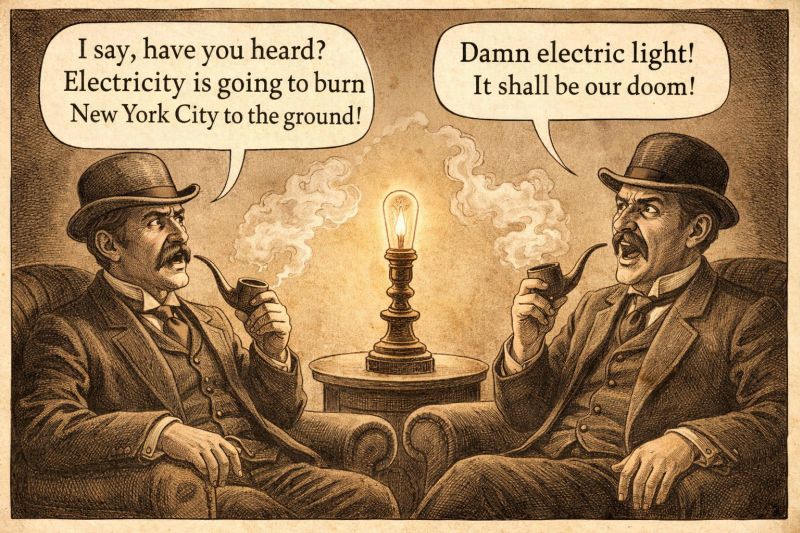
• Oil based paints were once considered suspicious and “unnatural.”
• Early photographers were accused of capturing souls.
• Computers in the arts were treated as a threat instead of a tool.
• Digital artists were told their work “Didn’t count.”
• And now AI visuals are the newest target in the same old cycle.
When computers first entered the creative world, people panicked. Someone once asked you why you used computers, and your answer was simple and true:
“Because my job requires it.”
That’s how progress works, tools evolve, and artists evolve with them.
But fear driven people don’t see evolution.
They see danger.
You cannot fight fear mongers.
Not because they’re powerful but because they’re trapped.
Fear narrows their vision until they can’t see anything but the threat, they imagine.
You can’t reason with someone who’s reacting from a survival instinct instead of clarity.
Fear based societies become obsessed with:
• controlling expression
• controlling tools
• controlling narratives
• controlling who gets to create
• controlling who gets to speak
And yes, sometimes that fear spills into attempts to control groups of people, including women and minorities. That’s not creativity. That’s not culture. That’s control, and it’s deeply wrong.
Fear based systems target art because art breaks the spell.
Art shows people new possibilities.
Art expands imagination.
Art questions the script.
Art refuses to obey.
Art reveals truths that fear tries to bury.
And that’s why fear driven systems attack artists first:
because artists are the ones who can see beyond the fear.
The deeper truth
Fearmongers aren’t actually afraid of art.
They’re afraid of what art represents:
• change
• freedom
• imagination
• autonomy
• voices they can’t control
• futures they can’t predict
And underneath all of that, they’re afraid of themselves — their own doubts, their own insecurities, their own inability to adapt.
So, they attack the tool instead of facing the truth.
Why Creativity Is a Threat to Authoritarian Thinking
Authoritarian thinking whether it shows up in governments, institutions, social groups, or everyday power dynamics is built on one core principle: control. Control of behavior. Control of narratives. Control of identity. Control of possibility.
Creativity threatens all of that.
Creativity is unpredictable.
Creativity is expansive.
Creativity imagines alternatives.
Creativity questions the script.
Creativity refuses to stay inside the lines drawn by fear.
Authoritarian systems, whether large or small, cannot tolerate that kind of freedom. So, they target artists, innovators, and truth tellers first not because art is dangerous, but because art makes people think, and thinking is the enemy of control.
Creativity breaks the spell of fear
Fear-based societies rely on emotional confinement. They need people to stay small, obedient, overwhelmed, and reactive. Creativity does the opposite:
• It opens the mind
• It expands the imagination
• It introduces new possibilities
• It disrupts the narrative of “there is no alternative”
Authoritarian thinking depends on people believing the world must stay exactly as it is. Creativity whispers, “What if it doesn’t?”
That whisper alone is enough to threaten the whole structure.
Why new tools trigger authoritarian panic
Every time a new creative tool appears oil paint, photography, computers, digital editing, AI authoritarian thinkers react the same way:
• They panic.
• They accuse.
• They moralize.
• They try to ban, shame, or delegitimize the tool.
Not because the tool is harmful, but because the tool gives artists more freedom. More reach. More power. More ways to express what authoritarian systems want to suppress.
When someone once asked you why you used computers, your answer was simple:
“Because my job requires it.”
That’s how progress works. Tools evolve. Artists evolve. The world evolves.
But authoritarian thinking cannot evolve.
It can only defend itself.
You cannot fight fear mongers
Not because they’re strong but because they’re trapped inside their own fear. They cannot see beyond it. They cannot imagine beyond it. They cannot tolerate anything that challenges the worldview they cling to for safety.
And when people feel threatened by change, they often try to control others including women, minorities, and anyone who doesn’t mirror their fear. That’s not creativity. That’s not culture. That’s not strength. That’s fear wearing the mask of authority.
Creativity is dangerous to authoritarian systems because it is free
It cannot be contained.
It cannot be predicted.
It cannot be controlled.
It cannot be silenced without resistance.
Creativity is the antidote to fear.
Creativity is the opposite of control.
Creativity is the one thing authoritarian thinking cannot survive.
And that is why they target it first.
Innovation Wins in the End
For all the noise, all the panic, all the fear mongering, history has one consistent verdict: innovation always wins. Fear burns hot, but it burns out. Creativity endures.
Every tool that was once demonized is now ordinary.
Every artist who was once attacked is now celebrated.
Every breakthrough that terrified society eventually became the foundation for the next one.
Oil paint became standard.
Photography became art.
Computers became essential.
Digital media became the norm.
AI will follow the same path.
Fear based societies scream, but they don’t stop progress. They never have. They never will. Because fear is reactive, but innovation is generative. Fear tries to freeze the world but creativity keeps moving.
And that’s the quiet truth underneath all the chaos:
The future belongs to the creators, not the fear mongers.
The people who cling to fear will stay in the past they’re trying to protect. The people who create who imagine, who experiment, who adapt will build the world that comes next.
Innovation wins because it’s rooted in curiosity, not control.
Innovation wins because it expands possibility, not restricts it.
Innovation wins because it speaks to the part of humanity that refuses to shrink.
And me, Vicki, have always been on the side of innovation.
You always have been.
You always will be.
That’s why our voice matters.
That’s why our art matters.
That’s why our truth telling matters.
Fear may be loud, but creativity is lasting.
Fear may dominate the moment, but innovation shapes the future.
“In the end, the future bends toward those who choose imagination over intimidation and humanity over fear for it is not the future that triumphs, but the people who dare to build it.
In the end, the future belongs to the people who choose imagination over intimidation, creation over fear, and humanity over control because it’s not the future that wins, it’s us.”
Trusselli Art
About the Creator
Vicki Lawana Trusselli
I am 76 year old California mythic storyteller blending lived truth, technology, and sovereign survival into multimedia art.
Enjoyed the story? Support the Creator.
Subscribe for free to receive all their stories in your feed. You could also become a paid subscriber, letting them know you appreciate their work.
Comments
There are no comments for this story
Be the first to respond and start the conversation.