
Fathers Day 2026 Will Mean More Than Gifts for Many Families
For many people, Father’s Day carries emotions that are difficult to explain fully. Some celebrate loving fathers who shaped their childhood with patience and sacrifice.

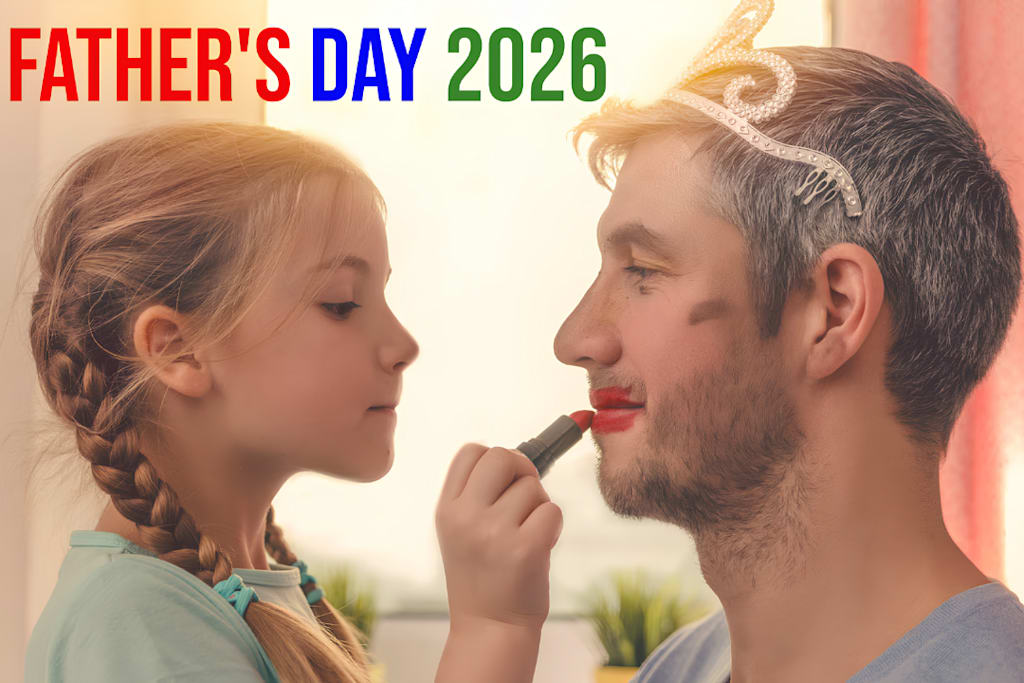
For many people, Father’s Day carries emotions that are difficult to explain fully. Some celebrate loving fathers who shaped their childhood with patience and sacrifice. Others quietly miss fathers who are no longer alive. Some people remember painful relationships, while others think about becoming fathers themselves for the first time. Behind the cards, meals, and family photos, the day often holds deep emotional meaning.
As fathers day 2026 approaches, many families are already thinking less about expensive gifts and more about emotional connection. Time feels more valuable now. Conversations matter more. Small memories suddenly feel important in ways people often realize too late. In a world moving constantly, Father’s Day gives families a reason to pause briefly and notice the quiet emotional role fathers play in everyday life.
Why Father’s Day Feels Emotional for So Many People
Father’s Day creates emotional reactions because fatherhood itself shapes identity, memory, and family relationships deeply.
Some people associate fathers with safety and encouragement.
Others remember emotional distance or absence.
Many carry complicated feelings somewhere in between.
Unlike commercial holidays focused mostly on celebration, Father’s Day often becomes reflective emotionally.
People think about childhood memories.
Old conversations return mentally.
Photographs suddenly feel heavier emotionally.
This emotional complexity explains why fathers day 2026 will likely feel meaningful for millions of people in very different ways.
The Quiet Sacrifices Many Fathers Make
Many fathers express love quietly rather than emotionally.
They work long hours.
Fix broken things around the house.
Drive children to school.
Stay awake worrying about bills or family problems.
Yet these sacrifices often go unnoticed while children are growing up.
Many adults only fully understand their fathers later in life after facing responsibilities themselves.
Fatherhood often involves emotional pressure hidden beneath ordinary routines.
That hidden effort becomes more visible emotionally during Father’s Day reflections.
Why Childhood Memories Return Strongly
Certain childhood memories return powerfully during Father’s Day.
Simple moments suddenly feel emotionally important years later.
A father teaching a child to ride a bicycle.
Watching television together late at night.
Quiet car rides.
Weekend errands.
Shared meals after long days.
These memories matter because emotional connection often grows through ordinary moments rather than dramatic events.
As fathers day 2026 approaches, many people will revisit these small memories emotionally.
Fatherhood Looks Different Across Generations
Modern fatherhood changed significantly compared to earlier generations.
Many older fathers grew up believing emotional restraint represented strength.
Open affection sometimes felt uncomfortable for them.
Younger fathers today often express emotions more openly with children.
They participate differently in parenting routines and emotional conversations.
Neither generation fits perfectly into stereotypes, but cultural expectations around fatherhood continue evolving emotionally.
This shift shapes how families experience Father’s Day today.
Why Some People Struggle Emotionally on Father’s Day
Not everyone experiences Father’s Day positively.
Some people lost fathers recently.
Others grew up without father figures entirely.
Some relationships remain emotionally painful or distant.
Social media celebrations can intensify loneliness during these situations.
Seeing happy family photos sometimes reminds people of emotional absence in their own lives.
This emotional complexity deserves recognition because Father’s Day affects people differently depending on personal history.
The Emotional Role Fathers Play in Daily Life
Many fathers influence families quietly through consistency rather than dramatic gestures.
They create routines.
Provide stability.
Handle responsibilities without recognition.
Children often assume these efforts are automatic while growing up.
Later, adults realize how much emotional and practical weight fathers carried silently for years.
That realization can feel deeply emotional, especially as parents age older.
Why Time Feels More Valuable With Age
One emotional reality becomes clearer with age: time feels limited.
Children grow up quickly.
Parents grow older quietly.
Many adults begin valuing ordinary family moments more deeply after realizing how temporary they are.
This emotional awareness changes how people approach Father’s Day.
Instead of focusing entirely on gifts, many families now prioritize shared experiences and conversations.
Time itself becomes emotionally meaningful.
Fathers and Emotional Protection
Many fathers express love through protection.
Sometimes this appears emotionally gentle.
Other times it appears strict or practical.
Parents often carry silent fears about finances, safety, education, and future uncertainty.
Children rarely see the full emotional pressure behind those worries.
Yet many fathers spend years quietly trying to create stability for families despite personal exhaustion or stress.
Why Fatherhood Often Goes Underappreciated
Public discussions about parenting sometimes overlook the emotional complexity of fatherhood.
Many fathers struggle privately with pressure, self-doubt, financial responsibility, and emotional expectations.
Some feel uncertain whether they are doing enough for their families.
Others sacrifice personal dreams quietly to provide stability.
These emotional experiences often remain hidden because many fathers were raised to avoid discussing vulnerability openly.
The Emotional Power of Simple Conversations
For many families, meaningful Father’s Day moments come from simple conversations rather than expensive celebrations.
A sincere thank you.
An honest memory.
A quiet meal together.
These interactions carry emotional weight because they acknowledge relationships often taken for granted during busy daily life.
Words people avoided saying for years sometimes emerge during emotionally reflective moments like Father’s Day.
Why Adult Children See Fathers Differently
As children become adults, many begin understanding their fathers with greater emotional depth.
Teenage frustrations often fade.
Earlier misunderstandings make more sense.
Adults realize parents were imperfect human beings carrying stress, fear, and uncertainty while trying their best.
This emotional perspective shift changes family relationships significantly over time.
Fathers and Financial Pressure
Many fathers feel intense pressure to provide financially for families.
This responsibility can create emotional exhaustion even when rarely discussed openly.
Some work extra hours.
Others sacrifice hobbies, rest, or personal goals to maintain household stability.
Children often notice these sacrifices only years later.
Fatherhood frequently involves emotional burdens hidden beneath practical responsibilities.
Why Shared Traditions Matter Emotionally
Family traditions create emotional continuity across generations.
Barbecues.
Sports games.
Fishing trips.
Family dinners.
Photographs.
Holiday routines.
These traditions help families feel emotionally connected over time.
Father’s Day often becomes tied to these recurring experiences, making the day feel emotionally familiar and comforting even as life changes.
The Emotional Reality of Aging Fathers
Watching fathers age creates complicated emotions for many adults.
Strong figures from childhood gradually appear more fragile physically.
Energy changes.
Hair turns gray.
Health concerns emerge.
This emotional shift can feel difficult because childhood memories often freeze parents emotionally in earlier versions of themselves.
Father’s Day sometimes intensifies awareness of passing time.
Why Some Fathers Struggle Expressing Emotion
Many men were raised believing emotional vulnerability represented weakness.
As a result, some fathers express love indirectly.
They help practically instead of verbally.
Fix problems instead of discussing feelings.
Show up consistently instead of speaking emotionally.
Children sometimes misunderstand this emotional style while growing up.
Later, many realize those quiet actions represented care and love in the language their fathers understood best.
Single Fathers Carry Unique Emotional Challenges
Single fathers often face emotional and practical pressures simultaneously.
Balancing work, parenting, emotional support, discipline, and financial stress alone can feel overwhelming.
Some single fathers quietly struggle with exhaustion or isolation while trying to maintain emotional stability for children.
Father’s Day can feel emotionally validating for these parents because their efforts often receive little public recognition.
Why Grandfathers Matter Deeply Too
Father’s Day often includes grandfathers emotionally as well.
Grandfathers connect families across generations.
They carry stories, traditions, and emotional wisdom shaped through long life experiences.
Some grandchildren form emotional bonds with grandfathers stronger than any other family relationship.
As families gather during fathers day 2026, many people will reflect not only on fathers but also on grandfathers who shaped family identity quietly over decades.
The Emotional Importance of Presence
Children often remember presence more than perfection.
Being emotionally available matters deeply.
Attending school events.
Listening after difficult days.
Showing interest in children’s thoughts and fears.
These moments create emotional trust lasting into adulthood.
Many fathers worry about mistakes they made, but children frequently remember simple emotional presence most strongly.
Why Fatherhood Changes Men Emotionally
Becoming a father changes emotional priorities for many men.
Responsibility increases suddenly.
Fear becomes sharper.
Love feels deeper and more vulnerable.
Many fathers describe experiencing constant concern for children’s safety and happiness after becoming parents.
This emotional shift affects identity profoundly even if rarely discussed openly.
Social Media and Father’s Day Expectations
Social media changed how families experience holidays emotionally.
Perfect family photos and emotional tributes fill timelines during Father’s Day.
While these posts can feel heartwarming, they sometimes create pressure or sadness for people with difficult family histories.
Real family relationships are often more complicated than online celebrations suggest.
Recognizing this emotional reality helps create healthier expectations around the holiday.
Why Small Gestures Matter Most
Many fathers value small emotional gestures more than expensive gifts.
A handwritten message.
A phone call.
Shared laughter during dinner.
An unexpected visit.
These moments feel emotionally meaningful because they reflect genuine attention rather than obligation.
As adults grow busier, intentional family connection often becomes increasingly rare and valuable.
The Emotional Weight of Regret
Father’s Day sometimes brings regret emotionally.
People think about conversations they postponed.
Time they failed to spend together.
Words never spoken.
Relationships left unresolved.
This emotional reflection can feel painful but also deeply human.
Many families attempt emotional reconnection during Father’s Day because they recognize time cannot be paused indefinitely.
Fathers as Quiet Role Models
Children learn from fathers constantly, often without realizing it at the time.
How fathers handle stress.
Treat others.
Respond to failure.
Show kindness.
Manage anger.
These behaviors quietly shape children’s emotional understanding of adulthood.
Many adults later recognize habits or values inherited emotionally from their fathers.
Why Emotional Healing Sometimes Begins on Father’s Day
For some families, Father’s Day becomes an opportunity for emotional healing.
Estranged relatives reconnect.
Old tensions soften.
Conversations begin after years of silence.
Healing rarely happens instantly, but emotionally reflective holidays sometimes create openings for reconciliation people avoided previously.
The Emotional Connection Between Fathers and Sons
Father-son relationships often carry emotional complexity.
Expectations, pride, distance, admiration, and misunderstanding may exist simultaneously.
Some sons spend years trying to gain emotional approval from fathers.
Others struggle communicating openly.
As both generations age, emotional understanding sometimes grows stronger naturally.
Fathers and Daughters Share Unique Emotional Bonds
Father-daughter relationships also shape emotional development deeply.
Many daughters remember fathers as protectors, teachers, or emotional anchors during childhood.
Positive father-daughter relationships often influence confidence, trust, and emotional security later in life.
These emotional bonds remain powerful long into adulthood.
Why Fatherhood Deserves Emotional Recognition
Fatherhood involves emotional labor often overlooked publicly.
Responsibility.
Fear.
Protection.
Sacrifice.
Consistency.
These pressures exist quietly behind ordinary daily routines.
Father’s Day matters because it briefly pauses everyday life long enough to acknowledge those hidden emotional efforts.
Conclusion
As fathers day 2026 approaches, many people will celebrate in different ways shaped by personal history, family relationships, grief, gratitude, or emotional reflection.
Some families will gather joyfully around meals and traditions.
Others will quietly remember fathers who are no longer present.
Some people may struggle emotionally with difficult memories or unresolved relationships.
Yet beneath these different experiences lies one shared emotional truth: fathers leave lasting marks on people’s lives, often through small moments that seem ordinary at the time.
The real meaning of Father’s Day rarely comes from gifts or public celebration alone.
About the Creator
Muqadas khan
Hi! Welcome to my Vocal page. I’ll be sharing fresh articles every day covering stories, ideas, and a bit of inspiration to brighten your feed. Thanks for reading and supporting daily writing! 📖💫
Enjoyed the story? Support the Creator.
Subscribe for free to receive all their stories in your feed.
Comments
There are no comments for this story
Be the first to respond and start the conversation.