Fiction
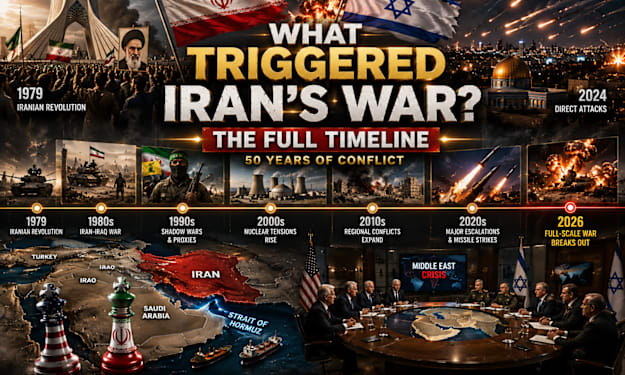
The Point That Triggered Iran's War – The Timeline & History of Middle Eastern Conflict
The Point That Triggered Iran's War – The Timeline & History of Middle Eastern Conflict The current conflict involving Iran did not begin overnight. It is the result of decades of political, religious, military, and geopolitical tensions that have shaped the Middle East for generations. To understand why the region remains unstable today, it is important to examine the timeline of events that gradually transformed rivals into enemies and turned regional disputes into a major international crisis.
By Wings of Time 5 months ago in History
Iran Destroyed a "$100 Million Toy"?
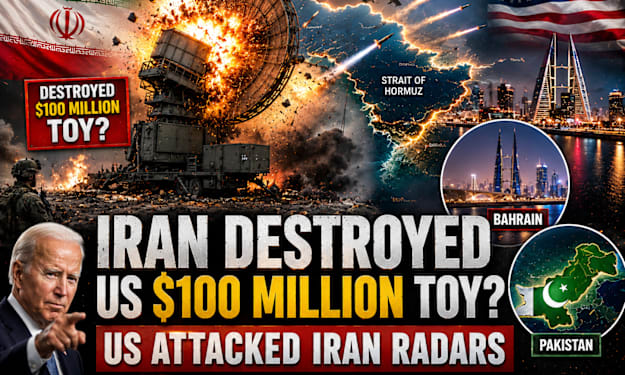
Iran Destroyed a "$100 Million Toy"? US Attacks Iranian Radars – Bahrain & Pakistan in Focus Tensions in the Gulf region have once again captured global attention as the United States and Iran continue to exchange military actions and political warnings. Recent reports indicate that U.S. forces conducted strikes against Iranian radar and surveillance facilities, while Iran responded with missile and drone attacks targeting locations associated with U.S. military operations in the Gulf. These developments have raised concerns about regional stability and the possibility of further escalation.
By Wings of Time 5 months ago in History
World War I: The Great Turning Point
1. Introduction: A War That Changed Everything World War I was one of the most important events in modern history. It started in 1914 and ended in 1918, but its effects lasted for many years. This war involved many powerful countries and caused great destruction. It changed how nations interacted with each other and created a new global system. Because of its huge impact, it is called a “great turning point” in world history.
By Muhammad Zeeshan5 months ago in History
Superpower Strategy
1. Introduction: The Power of a Superpower The United States is one of the most powerful countries in the world. It has strong influence over global politics, economy, and security. Its foreign policy is not random; it is carefully planned to protect its interests and keep its power strong. Every action, whether it is making alliances or taking part in conflicts, follows a strategy. This strategy helps the U.S. stay ahead and shape the world according to its goals.
By Muhammad Zeeshan5 months ago in History
Iran Destroyed a "$100 Million Toy"?
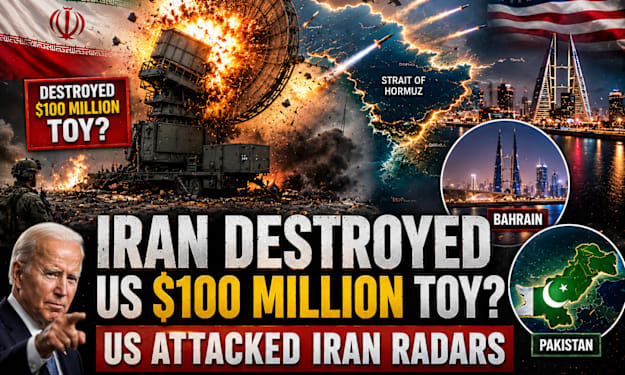
Iran Destroyed a "$100 Million Toy"? US Attacks Iranian Radars – Bahrain & Pakistan in Focus Tensions in the Gulf region have once again captured global attention as the United States and Iran continue to exchange military actions and political warnings. Recent reports indicate that U.S. forces conducted strikes against Iranian radar and surveillance facilities, while Iran responded with missile and drone attacks targeting locations associated with U.S. military operations in the Gulf. These developments have raised concerns about regional stability and the possibility of further escalation.
By Wings of Time 5 months ago in History
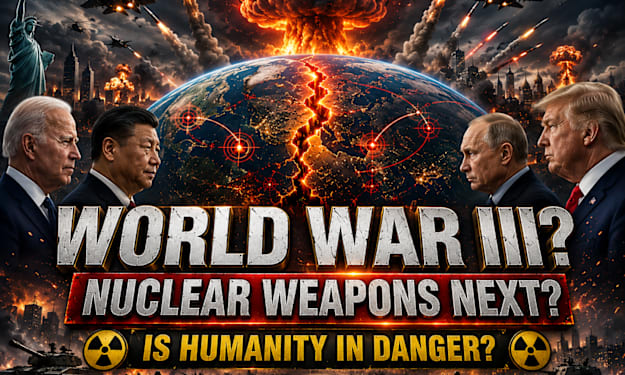
Is the World Moving Toward World War III?
Is the World Moving Toward World War III? The Nuclear Threat and the Future of Humanity The world is experiencing one of the most uncertain periods in modern history. Ongoing conflicts in different regions, growing rivalry among major powers, and increasing military spending have led many people to ask a serious question: Is the world moving toward World War III?
By Wings of Time 5 months ago in History
The My stery of Viral Penguin
A video that went viral on social media shows a penguin leaving its group and walking alone toward the mountains of Antarctica. Many people connected it with human behavior — like depression, isolation, or making fearless decisions. But the reality paints a very different picture.
By Imran Ali Shah5 months ago in History
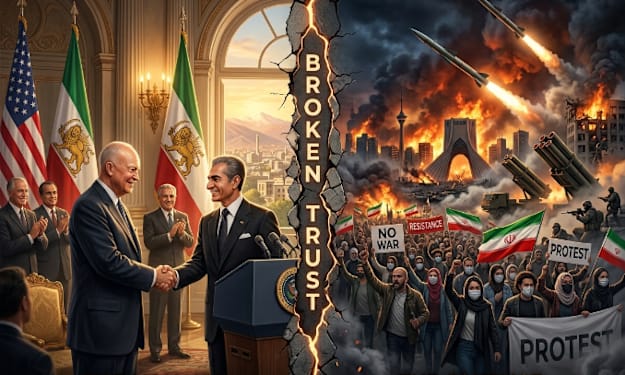
From Allies to Enemies: The Real Reason Behind the US–Iran War
1. When They Were Friends There was a time when the United States and Iran were not enemies, but allies. Iran was seen as a key partner in the Middle East, and the relationship between the two countries was built on shared interests, especially in oil and regional stability. The U.S. supported Iran economically and politically, while Iran provided strategic value in a tense Cold War world. But beneath this cooperation, hidden tensions were quietly growing.
By Muhammad Zeeshan5 months ago in History
The Hidden Wisdom of Thoth
The Hidden Wisdom of Thoth How Thoth and the Egyptian Mystery Schools Shaped All of Western Civilisation May 24 / 2026 Deep under the sands of Upper Egypt lies an ancient temple that was known by the Greeks as Hermopolis, or the City of Hermes. The temple has a unique purpose among all temples of the ancient world. This temple was not built for public worship or to be a place where kings held ceremonies; in fact, it did not allow the public (as in many temples) inside its doors. In order to enter, one must undergo an extensive selection process which includes passing tests and demonstrating one's willingness to let go of everything that one might think is true about reality. These places were often referred to as Mystery Schools by the ancient Egyptians, and they served as the center of humanity's greatest exploration. Though they were not just places for religious activity, they were essentially a laboratory for the study of consciousness and were staffed by some of the most intelligent people of their time who were trained to understand the hidden laws of the universe, the soul, and their relationship.
By Muhammad Abbas5 months ago in History
Was Moses Known to Egypt as Senenmut?. AI-Generated.
A question raised by the surviving Egyptian record Off The Kirb Ministries recently released a video titled “This New Moses Information is Hard to Ignore...” The video explores a question that is simple on the surface but heavy once the evidence is laid out: was Moses known in Egypt by another name, and could that name have been Senenmut? The video credits the Armstrong Institute of Biblical Archaeology, Christopher Eames, and Scotty Roberts for the research that inspired the argument. The claim presented is not built around a single similarity, a vague resemblance, or a desire to force the Exodus story into Egyptian history. It is built around a pattern of chronology, names, royal access, authority, disappearance, and damaged memory.
By Peter Thwing - Host of the FST Podcast5 months ago in History