future
Exploring the future of science today, while looking back on the achievements from yesterday. Science fiction is science future.
Future of Digital Defense: Understanding the UK Cybersecurity Market Revolution. AI-Generated.
In today's interconnected world, cybersecurity has evolved from a technical necessity into a strategic priority. As businesses, governments, and consumers increasingly rely on digital technologies, the risks associated with cyber threats continue to grow. From ransomware attacks and data breaches to sophisticated phishing campaigns and nation-state cyber operations, organizations face an unprecedented range of digital security challenges.
By Avni Gupta4 months ago in Futurism
India Medical Devices Market: AI Diagnostics, PLI Manufacturing & Market Forecast. AI-Generated.
India's medical devices sector is undergoing structural change, driven by expanding hospital infrastructure, broader health insurance coverage, and a national push toward domestic manufacturing. Devices used in diagnosis, treatment, and surgery are becoming a core component of the country's healthcare expansion.
By Jane Knitch4 months ago in Futurism
Circular Fashion Market: Why Reuse Is the New Growth Engine. AI-Generated.
Circular Fashion Market: Why Reuse Is the New Growth Engine Fashion has a waste problem, but it's also building a solution. The Circular Fashion Market is valued at roughly USD 7.0 billion in 2025, and it's projected to climb to nearly USD 14.6 billion by 2035, growing at a CAGR of 8.50%. That kind of trajectory doesn't happen by accident. It reflects a genuine shift in how clothes are designed, sold, worn, and eventually recovered — driven by regulation, technology, and a generation of shoppers who treat secondhand as a first choice, not a last resort.
By Kathryn J. Lemos4 months ago in Futurism
Surveying Gets a Robotic Upgrade Worth Watching. AI-Generated.
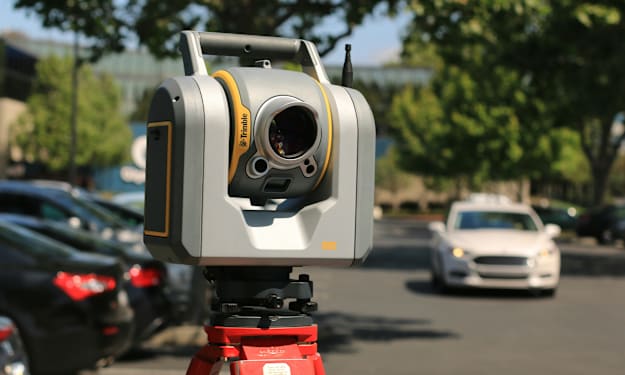
Land surveying has always been a slow, manual craft — one person holding a prism, another squinting through an optical scope, both hoping the wind doesn't shift the tripod. That's changing fast. The Robotic Total Stations Market is expanding as construction firms, infrastructure developers, and surveying contractors replace traditional instruments with self-tracking, remote-controlled alternatives that cut fieldwork time dramatically. A single operator can now run a full survey that once required two people and several extra hours, which explains why adoption is accelerating well beyond niche engineering circles.
By Hazel Williams4 months ago in Futurism
The Rise of the AI Protocol Builder: How Machines Are Writing the Rules of Tomorrow. AI-Generated.
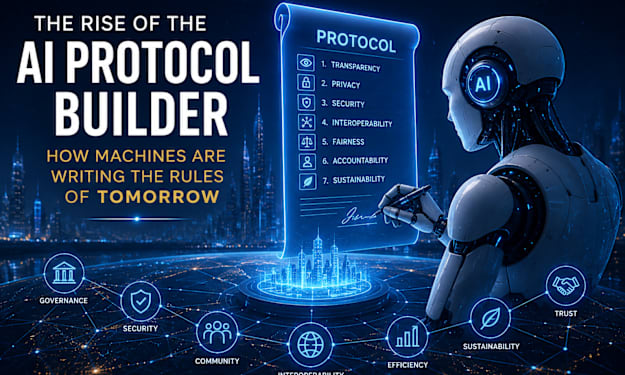
The way we make decisions is changing. Across industries — from finance and logistics to education and healthcare, the growing complexity of data, regulations and patient or client needs has pushed human decision-making to its limits. Enter the AI protocol builder, a new class of intelligent system that doesn't just assist professionals, it actively constructs the decision-making frameworks, structured pathways and evidence based recommendations that guide their work.
By Clarity Tx4 months ago in Futurism
The Machine Behind Every Tube of Toothpaste and Cream. AI-Generated.
The Equipment Nobody Notices Until It Breaks Squeeze a tube of toothpaste, hand cream, or adhesive paste, and you're holding the end result of a manufacturing process most consumers never think about. Somewhere upstream, a machine measured an exact dose of that product, sealed the tube, and moved it along a line fast enough to keep pace with global demand. That largely invisible piece of equipment sits at the center of the industrial tube filling machines market, a sector that has quietly become essential infrastructure for cosmetics, pharmaceutical, and food manufacturers operating at scale.
By Kathryn J. Lemos4 months ago in Futurism
The Rise of AI in Everyday Life: How Artificial Intelligence Is Reshaping Our World
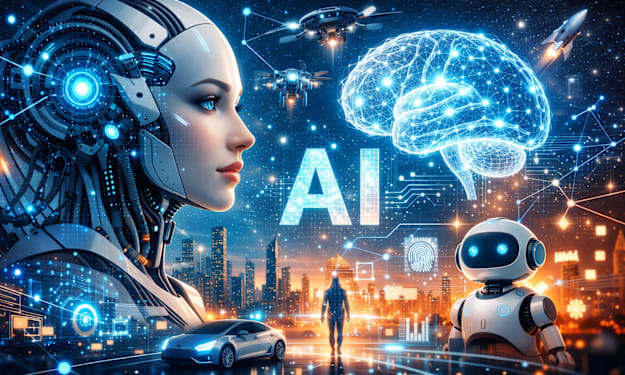
The Rise of AI in Everyday Life: How Artificial Intelligence Is Reshaping Our World Artificial Intelligence (AI) has shifted from being a futuristic concept to becoming an integral part of our daily existence. In 2026, it influences how we communicate, create, work, and even how we care for ourselves. On platforms like Vocal.Media, AI-related articles consistently trend because readers are eager to understand how this technology impacts their personal lives. This article explores the many dimensions of AI’s rise, its benefits, challenges, and the ethical dilemmas it presents. 🤖 AI in Personal Devices AI has moved beyond research labs and into our pockets, homes, and even our bodies. - Smart earbuds now translate languages in real time, making travel and global communication seamless. - AI-powered rings track health metrics like sleep, stress, and heart rate, offering insights once reserved for medical professionals. - Voice assistants are becoming more conversational, learning our habits and preferences to anticipate needs before we even ask. These innovations make everyday tasks smoother, but they also raise questions about privacy and dependency. 🧠 AI and Creativity One of the most fascinating shifts is AI’s role in creative industries: - AI-generated art challenges traditional notions of originality, with machines producing paintings and digital designs that rival human artists. - AI in writing helps authors brainstorm, edit, and even publish faster, sparking debates about authenticity. - Music creation is evolving, with AI producing beats and melodies that rival human composers. This sparks debate: Is AI a tool for creativity, or a threat to human artistry? 💼 AI in Work and Business AI is reshaping professional life in profound ways: - Automation reduces repetitive tasks, freeing humans for strategic work. - AI in customer service provides instant responses, though sometimes lacking empathy. - AI-driven marketing personalizes ads, predicting what consumers want before they know it themselves. Businesses that embrace AI gain efficiency, but those that resist risk falling behind. 🌍 Ethical Concerns With great power comes great responsibility. AI raises pressing ethical questions: - Bias in algorithms can reinforce discrimination if not carefully monitored. - Data privacy remains a major concern as devices collect personal information. - Job displacement sparks fear about the future of work, especially in industries reliant on repetitive tasks. Society must balance innovation with fairness and accountability. 📱 AI in Social Media Social platforms are increasingly powered by AI: - Content recommendations keep users scrolling endlessly, tailoring feeds to individual preferences. - AI influencers blur the line between reality and simulation, raising questions about authenticity. - Social SEO helps creators optimize captions and hashtags for maximum reach. This makes social media more engaging but also more addictive. 🧩 AI in Healthcare Healthcare is one of the most promising areas for AI: - Diagnostic tools can detect diseases earlier than human doctors. - Personalized medicine tailors treatments to individual genetic profiles. - Mental health apps provide therapy-like support, though they cannot replace human empathy. AI in healthcare offers hope, but it also raises concerns about data security and the human touch in medicine. ⚖️ Balancing Innovation and Humanity The rise of AI is not just technological—it’s cultural. It forces us to ask: - How much of our lives should be automated? - Can machines truly replicate human creativity and empathy? - What safeguards are necessary to prevent misuse? The answers will shape the future of society. AI is no longer optional it’s integral to modern life. From health tracking to creative expression, it shapes how we live, work, and connect. But with its benefits come risks: ethical dilemmas, privacy concerns, and questions about authenticity. The rise of AI is not just a technological revolution, it’s a cultural one. Understanding its impact is essential for navigating the future. Artificial Intelligence may promise convenience, efficiency, and innovation, but it also challenges us to rethink what it means to be human. The dangerous illusion would be to believe AI can replace authenticity, empathy, and creativity. Instead, the healthiest path forward is to embrace AI as a tool powerful, yes, but ultimately secondary to human values. The future will not be defined by machines alone, but by how we choose to integrate them into our lives. By balancing innovation with humanity, we can ensure that AI enhances rather than diminishes the human experience.
By Michael Skylas 4 months ago in Futurism
The Tiny Sensor That Knows Exactly How Hard You're Pressing. AI-Generated.
A Sensor for the Sense of Touch Pick up a smartphone, press a robotic surgical instrument against tissue, or step onto a smart scale, and somewhere underneath that interaction is a component translating physical pressure into readable data. That measurement happens fast, accurately, and almost invisibly, which is exactly why the force sensor market has expanded well beyond its industrial origins into nearly every category of connected device that needs to understand contact, weight, or resistance.
By Kathryn J. Lemos4 months ago in Futurism
Sensing the Shake: Inside the Vibration Sensor Boom. AI-Generated.
Every factory floor hums with motion — motors spinning, turbines rotating, compressors cycling. Most of that motion is invisible to the human eye, but it speaks volumes about machine health. That's where the vibration sensor market has quietly become essential infrastructure. According to recent industry analysis, the global market is projected to climb from USD 5.6 billion in 2025 to USD 11.6 billion by 2035, expanding at a compound annual growth rate of 7.5%. That's not a niche curiosity anymore — it's a backbone technology for modern industry.
By Hazel Williams4 months ago in Futurism
Why Factories Are Quietly Rethinking Their CNC Controllers. AI-Generated.
Walk into almost any modern machine shop and you'll notice something: the machines look familiar, but what's running them has changed dramatically. The CNC controller market is expanding fast, driven by manufacturers who want more precision, less downtime, and machines that can essentially think for themselves. What used to be a simple interface for feeding instructions to a cutting tool has evolved into a sophisticated computing system that touches everything from aerospace components to dental implants.
By Hazel Williams4 months ago in Futurism
Future of Food Starts Here: Understanding the UK Agritech Market Revolution . AI-Generated.
Agriculture has always been the backbone of food security and economic development. However, as the world faces challenges such as climate change, population growth, resource scarcity, and rising food demand, traditional farming methods are no longer sufficient to meet future requirements. In the United Kingdom, a technological transformation is underway, giving rise to a new era of farming powered by innovation, data, and sustainability.
By Avni Gupta4 months ago in Futurism
Inside the Tests That Decide If a Plane Is Airworthy. AI-Generated.
Nobody Boards a Plane That Hasn't Been Interrogated First Before any aircraft carries a single passenger, it goes through something closer to an interrogation than an inspection — sensors checked against sensors, systems stress-tested against failure conditions that, ideally, will never occur in the real world. That process depends entirely on specialized testing hardware most travelers never think about, which is precisely why the aviation test equipment market has grown into a foundational layer of the broader aerospace industry rather than a peripheral supplier category.
By Kathryn J. Lemos4 months ago in Futurism