
The Rise of AI in Everyday Life: How Artificial Intelligence Is Reshaping Our World
How Ai is affecting our lives
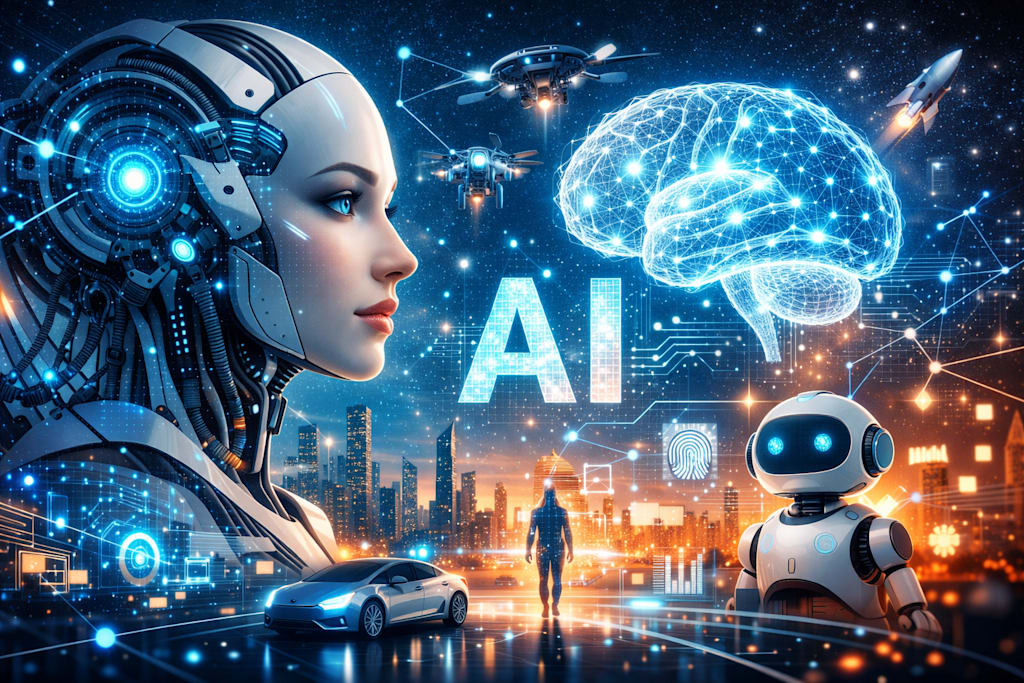
The Rise of AI in Everyday Life: How Artificial Intelligence Is Reshaping Our World Artificial Intelligence (AI) has shifted from being a futuristic concept to becoming an integral part of our daily existence. In 2026, it influences how we communicate, create, work, and even how we care for ourselves. On platforms like Vocal.Media, AI-related articles consistently trend because readers are eager to understand how this technology impacts their personal lives. This article explores the many dimensions of AI’s rise, its benefits, challenges, and the ethical dilemmas it presents. 🤖 AI in Personal Devices AI has moved beyond research labs and into our pockets, homes, and even our bodies. - Smart earbuds now translate languages in real time, making travel and global communication seamless. - AI-powered rings track health metrics like sleep, stress, and heart rate, offering insights once reserved for medical professionals. - Voice assistants are becoming more conversational, learning our habits and preferences to anticipate needs before we even ask. These innovations make everyday tasks smoother, but they also raise questions about privacy and dependency. 🧠 AI and Creativity One of the most fascinating shifts is AI’s role in creative industries: - AI-generated art challenges traditional notions of originality, with machines producing paintings and digital designs that rival human artists. - AI in writing helps authors brainstorm, edit, and even publish faster, sparking debates about authenticity. - Music creation is evolving, with AI producing beats and melodies that rival human composers. This sparks debate: Is AI a tool for creativity, or a threat to human artistry? 💼 AI in Work and Business AI is reshaping professional life in profound ways: - Automation reduces repetitive tasks, freeing humans for strategic work. - AI in customer service provides instant responses, though sometimes lacking empathy. - AI-driven marketing personalizes ads, predicting what consumers want before they know it themselves. Businesses that embrace AI gain efficiency, but those that resist risk falling behind. 🌍 Ethical Concerns With great power comes great responsibility. AI raises pressing ethical questions: - Bias in algorithms can reinforce discrimination if not carefully monitored. - Data privacy remains a major concern as devices collect personal information. - Job displacement sparks fear about the future of work, especially in industries reliant on repetitive tasks. Society must balance innovation with fairness and accountability. 📱 AI in Social Media Social platforms are increasingly powered by AI: - Content recommendations keep users scrolling endlessly, tailoring feeds to individual preferences. - AI influencers blur the line between reality and simulation, raising questions about authenticity. - Social SEO helps creators optimize captions and hashtags for maximum reach. This makes social media more engaging but also more addictive. 🧩 AI in Healthcare Healthcare is one of the most promising areas for AI: - Diagnostic tools can detect diseases earlier than human doctors. - Personalized medicine tailors treatments to individual genetic profiles. - Mental health apps provide therapy-like support, though they cannot replace human empathy. AI in healthcare offers hope, but it also raises concerns about data security and the human touch in medicine. ⚖️ Balancing Innovation and Humanity The rise of AI is not just technological—it’s cultural. It forces us to ask: - How much of our lives should be automated? - Can machines truly replicate human creativity and empathy? - What safeguards are necessary to prevent misuse? The answers will shape the future of society. AI is no longer optional it’s integral to modern life. From health tracking to creative expression, it shapes how we live, work, and connect. But with its benefits come risks: ethical dilemmas, privacy concerns, and questions about authenticity. The rise of AI is not just a technological revolution, it’s a cultural one. Understanding its impact is essential for navigating the future. Artificial Intelligence may promise convenience, efficiency, and innovation, but it also challenges us to rethink what it means to be human. The dangerous illusion would be to believe AI can replace authenticity, empathy, and creativity. Instead, the healthiest path forward is to embrace AI as a tool powerful, yes, but ultimately secondary to human values. The future will not be defined by machines alone, but by how we choose to integrate them into our lives. By balancing innovation with humanity, we can ensure that AI enhances rather than diminishes the human experience.
About the Creator
Enjoyed the story? Support the Creator.
Subscribe for free to receive all their stories in your feed.
Comments
There are no comments for this story
Be the first to respond and start the conversation.