
Future of Food Starts Here: Understanding the UK Agritech Market Revolution
Biotechnology and Innovation: Transforming Agricultural Productivity

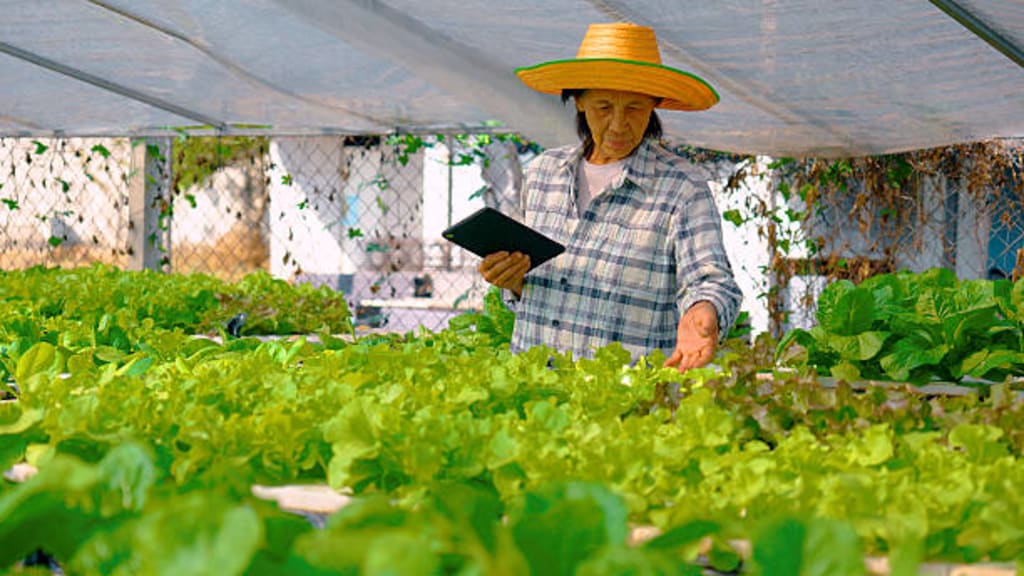
Agriculture has always been the backbone of food security and economic development. However, as the world faces challenges such as climate change, population growth, resource scarcity, and rising food demand, traditional farming methods are no longer sufficient to meet future requirements. In the United Kingdom, a technological transformation is underway, giving rise to a new era of farming powered by innovation, data, and sustainability.
The UK agritech market trends are emerging as one of the most dynamic sectors within the country's agricultural ecosystem. From biotechnology and precision farming to sensors, connected devices, and indoor farming, advanced technologies are redefining how food is produced, managed, and delivered. As the industry evolves, agritech is expected to play a pivotal role in building a resilient and sustainable food system for future generations.
Why Agritech Matters More Than Ever?
Modern agriculture faces unprecedented pressures. Farmers are required to produce more food while minimizing environmental impact and coping with changing weather patterns. At the same time, consumers are increasingly demanding healthier, sustainably produced products.
Agritech bridges this gap by combining agriculture with advanced technologies to improve efficiency, productivity, and sustainability. Through digital tools and innovative farming practices, producers can optimize resources, reduce waste, and increase yields without placing additional strain on the environment.
This transition represents a fundamental shift from conventional agriculture to a smarter and more connected food production system.
The Rise of Smart Agriculture:
Smart agriculture is transforming the UK's farming landscape. By leveraging technologies such as artificial intelligence, sensors, cloud computing, and automation, farmers can make more informed decisions based on real-time information.
Connected devices installed across fields and greenhouses provide continuous insights into soil conditions, moisture levels, crop health, and weather patterns. These systems allow farmers to apply water, fertilizers, and pesticides precisely where they are needed, reducing costs and improving productivity.
As digital farming technologies become more accessible, smart agriculture is expected to become increasingly widespread across the United Kingdom.
Big Data and Analytics Are Changing Farm Management:
Data has become one of the most valuable assets in modern agriculture. The ability to collect and analyze vast amounts of information is helping farmers maximize efficiency and improve decision-making.
Big data platforms enable agricultural producers to monitor crop performance, predict disease outbreaks, assess weather conditions, and optimize planting schedules. These insights allow farms to operate more effectively while minimizing risks associated with unpredictable environmental factors.
Predictive analytics and machine learning are also enabling farmers to anticipate market trends and make better business decisions, contributing to long-term profitability.
Precision Farming Is Revolutionizing Productivity:
Precision farming has emerged as one of the most promising applications within the UK agritech market. Rather than treating entire fields uniformly, precision agriculture uses advanced technologies to manage crops and resources with remarkable accuracy.
GPS systems, drones, satellite imagery, and sensors enable farmers to identify variations within fields and apply inputs accordingly. This targeted approach reduces waste, lowers operational costs, and enhances crop yields.
Precision farming also supports sustainability goals by reducing excessive use of water, fertilizers, and chemicals. As environmental concerns continue to grow, these technologies are becoming essential tools for responsible agriculture.
Biotechnology Is Unlocking New Possibilities:
Biotechnology is playing a crucial role in addressing some of agriculture's biggest challenges. Scientific advancements are enabling the development of crops that are more resistant to pests, diseases, and extreme weather conditions.
Biotechnology also contributes to improving crop quality, increasing productivity, and reducing dependence on chemical inputs. Researchers and agritech companies are continuously exploring new solutions that can strengthen food security and support sustainable farming practices.
As innovation accelerates, biotechnology is expected to remain a major driver of growth within the UK's agritech industry.
Indoor Farming and Controlled Environment Agriculture:
Indoor farming is gaining momentum as an innovative solution to increasing food demand and land constraints. By cultivating crops within controlled environments, producers can optimize temperature, humidity, and lighting conditions to achieve higher yields.
Vertical farms and hydroponic systems are becoming increasingly popular in urban areas where agricultural land is limited. These technologies allow crops to be grown year-round while using significantly less water compared to traditional farming methods.
Controlled environment agriculture offers several advantages, including reduced exposure to climate-related risks, shorter supply chains, and improved food quality. As urbanization continues, indoor farming is expected to become an important component of future food production.
Enhancing Irrigation and Resource Management:
Efficient water usage is becoming a top priority for agricultural producers. Agritech solutions are enabling smarter irrigation practices that conserve resources while maintaining crop productivity.
Advanced sensors and automated irrigation systems monitor soil moisture levels and deliver water only when necessary. This approach helps reduce water wastage and supports sustainable farming practices.
With increasing concerns regarding water scarcity and climate variability, intelligent irrigation systems are expected to play a vital role in enhancing agricultural resilience.
Digital Supply Chains Are Improving Food Distribution:
Agritech innovation extends beyond the farm. Digital technologies are transforming supply chains by improving transparency, traceability, and operational efficiency.
Blockchain systems, cloud-based platforms, and data analytics are enabling producers, distributors, and retailers to track products throughout the supply chain. These capabilities help reduce food waste, improve quality control, and strengthen consumer confidence.
Efficient supply chain management is becoming increasingly important as demand for fresh, sustainable, and locally sourced products continues to rise.
Sustainability Is Driving Innovation:
Environmental sustainability is one of the most important factors shaping the future of agriculture. Governments, businesses, and consumers are increasingly focused on reducing carbon emissions and promoting responsible farming practices.
Agritech solutions support these objectives by enabling more efficient use of resources, minimizing waste, and lowering the environmental footprint of food production.
From precision agriculture and renewable energy systems to climate-smart farming practices, technological innovation is helping the agricultural sector align with broader sustainability goals.
Investment and Innovation Are Accelerating Growth:
The UK's agritech ecosystem continues to attract significant investment from governments, research institutions, venture capital firms, and private companies. Funding initiatives and innovation programs are encouraging the development of next-generation agricultural technologies.
Startups and established companies alike are investing in artificial intelligence, robotics, biotechnology, and automation to create more efficient farming solutions. Collaboration between farmers, researchers, and technology providers is fostering a vibrant innovation environment that supports long-term growth.
These investments are expected to strengthen the UK's position as a global leader in agricultural technology.
The Road to 2034:
The future of food production will be shaped by technology, sustainability, and data-driven decision-making. As the UK agritech market continues to evolve, smart agriculture, biotechnology, precision farming, and indoor cultivation are expected to redefine how food is grown and distributed.
The agricultural sector is moving beyond traditional practices and embracing innovative solutions that can improve productivity while protecting natural resources. This transformation represents more than just technological progress - it marks the beginning of a new era in which farming becomes smarter, more efficient, and more sustainable.
About the Creator
Enjoyed the story? Support the Creator.
Subscribe for free to receive all their stories in your feed.
Comments
There are no comments for this story
Be the first to respond and start the conversation.