
Circular Fashion Market: Why Reuse Is the New Growth Engine
From resale apps to EU laws, how secondhand and recycled clothing are reshaping the apparel industry.

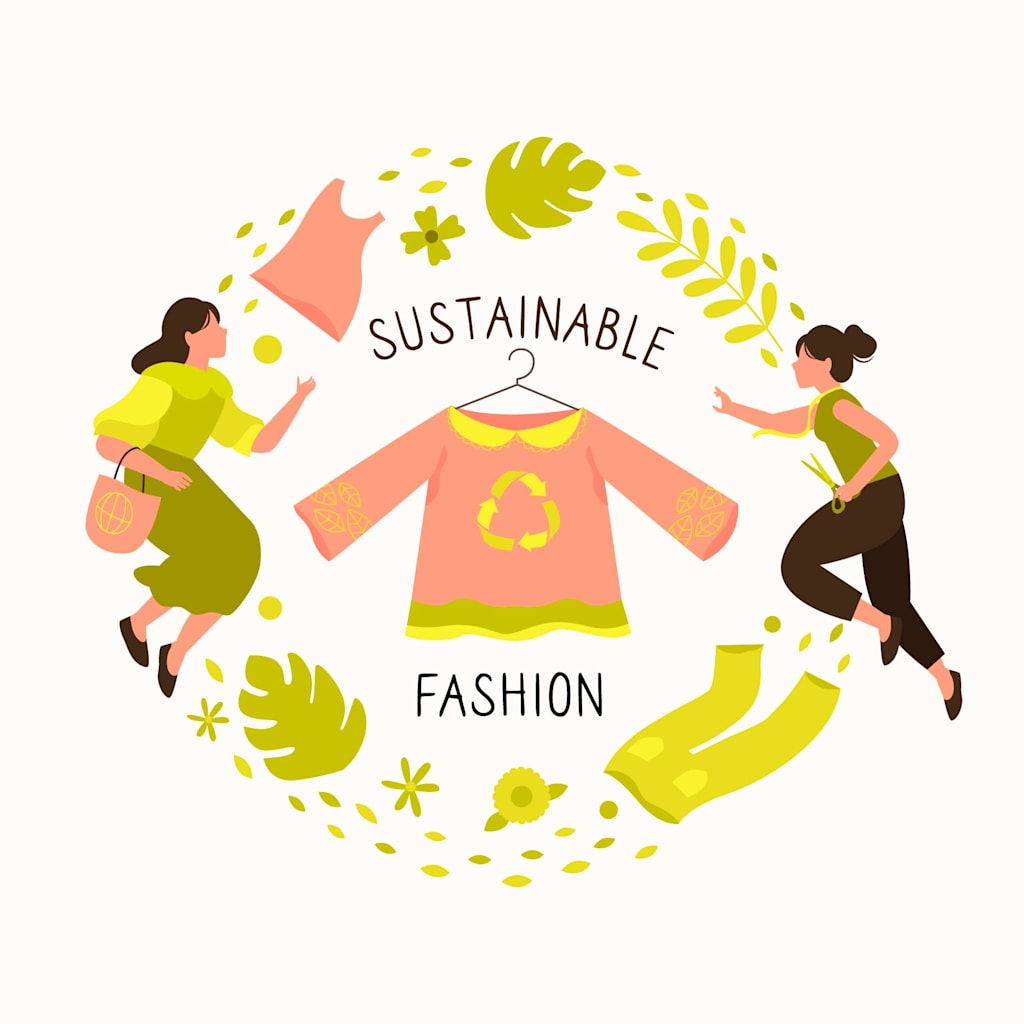
Circular Fashion Market: Why Reuse Is the New Growth Engine
Fashion has a waste problem, but it's also building a solution. The Circular Fashion Market is valued at roughly USD 7.0 billion in 2025, and it's projected to climb to nearly USD 14.6 billion by 2035, growing at a CAGR of 8.50%. That kind of trajectory doesn't happen by accident. It reflects a genuine shift in how clothes are designed, sold, worn, and eventually recovered — driven by regulation, technology, and a generation of shoppers who treat secondhand as a first choice, not a last resort.
Anyone trying to size up where this industry is headed can request a complimentary breakdown of the underlying data and segment forecasts to see how the numbers stack up across regions and product categories.
A Market Built on Reuse, Repair, and Recycling
Circular fashion isn't a single business model — it's a cluster of them. Resale platforms, brand-run take-back programs, repair services, and recycled-fiber sourcing all fall under the same umbrella, united by one goal: keeping garments and materials in use longer instead of sending them to landfill. Apparel currently makes up the largest slice of this market, at close to half of total share, mainly because fast fashion produces an enormous surplus of garments each year, billions of them, much of which would otherwise be discarded. That surplus has become the raw material for an entire secondary economy.
Recycled textiles now lead as the dominant sourcing category, partly because European data shows textile waste sent to landfill dropped from 21% in 2010 to just 12% in 2022. That decline signals more material is being captured for reuse rather than buried, which in turn strengthens the supply chain for recycled fiber producers.
Regulation Is Forcing the Industry's Hand
Much of the urgency behind circular fashion right now traces back to policy. The EU's Ecodesign for Sustainable Products Regulation already requires durability and recycled-content disclosures for apparel, and starting July 19, 2026, large EU companies will be banned from destroying unsold clothing, footwear, and accessories outright. That's a meaningful shift — destruction has historically been a quiet, routine practice in the industry. According to the European Environment Agency, an estimated 4% to 9% of all textile products placed on the European market are destroyed without ever being used, a figure that represents real recoverable value once circular systems are in place.
A closer look at the circular fashion market shows how compliance pressure in Europe is starting to ripple outward, pushing brands in other regions to build similar recovery infrastructure ahead of their own potential regulatory deadlines.
Real Brands Are Already Moving
This isn't theoretical. In June 2025, textile recycling company Syre announced partnerships with Gap Inc., Houdini Sportswear, and Target to scale textile-to-textile recycled polyester production — a sign that mainstream brands are willing to commit to recycled feedstock before it's even produced. Around the same time, Goldwin's Play Earth Fund invested in Ambercycle, a company developing molecular regeneration technology for recycled polyester, aimed in part at performance and workwear categories where circular options have historically lagged.
On the consumer side, online resale is dominant, accounting for roughly two-thirds of circular fashion distribution, with Gen Z buyers purchasing more than 40% of secondhand fashion through digital platforms. eBay's Circular Fashion Fund has also expanded into the EU, Switzerland, and Canada, recently backing a Belgian startup, Trosort, for its AI-powered textile sorting technology. None of this suggests circular fashion is a niche sustainability gesture anymore — it's becoming standard infrastructure.
Where the Friction Still Lives
It's worth being honest about the obstacles. Reverse logistics — collecting, sorting, cleaning, and redistributing garments — is expensive and labor-intensive, often costing several euros per item before any resale value is recovered. That math is especially brutal for lower-priced apparel, which is why many circular programs currently favor higher-margin categories like denim, outerwear, and luxury goods. Footwear remains particularly difficult to recycle because of its mixed-material construction, and male consumers still engage with secondhand fashion at noticeably lower rates than female shoppers, leaving that segment underdeveloped.
What Comes Next
The direction is fairly clear, even if the path isn't smooth. Regulatory deadlines in Europe, falling costs for AI-assisted sorting, and growing brand investment in molecular recycling are converging to make circularity less of an add-on and more of a baseline expectation. The companies that figure out repair-as-a-service, mono-material design, and digital product passports early will likely set the terms for everyone else. Fashion won't stop producing new clothes anytime soon, but the industry's definition of a garment's "end of life" is being rewritten in real time — and that rewrite is only getting started.
About the Creator
Enjoyed the story? Support the Creator.
Subscribe for free to receive all their stories in your feed.
Comments
There are no comments for this story
Be the first to respond and start the conversation.