
The Dark Alchemy: How Chocolate Conquered the Human Senses
From sacred Mesoamerican rituals to modern culinary obsession, exploring the rich history, science, and irresistible magic of earth's favorite treat.

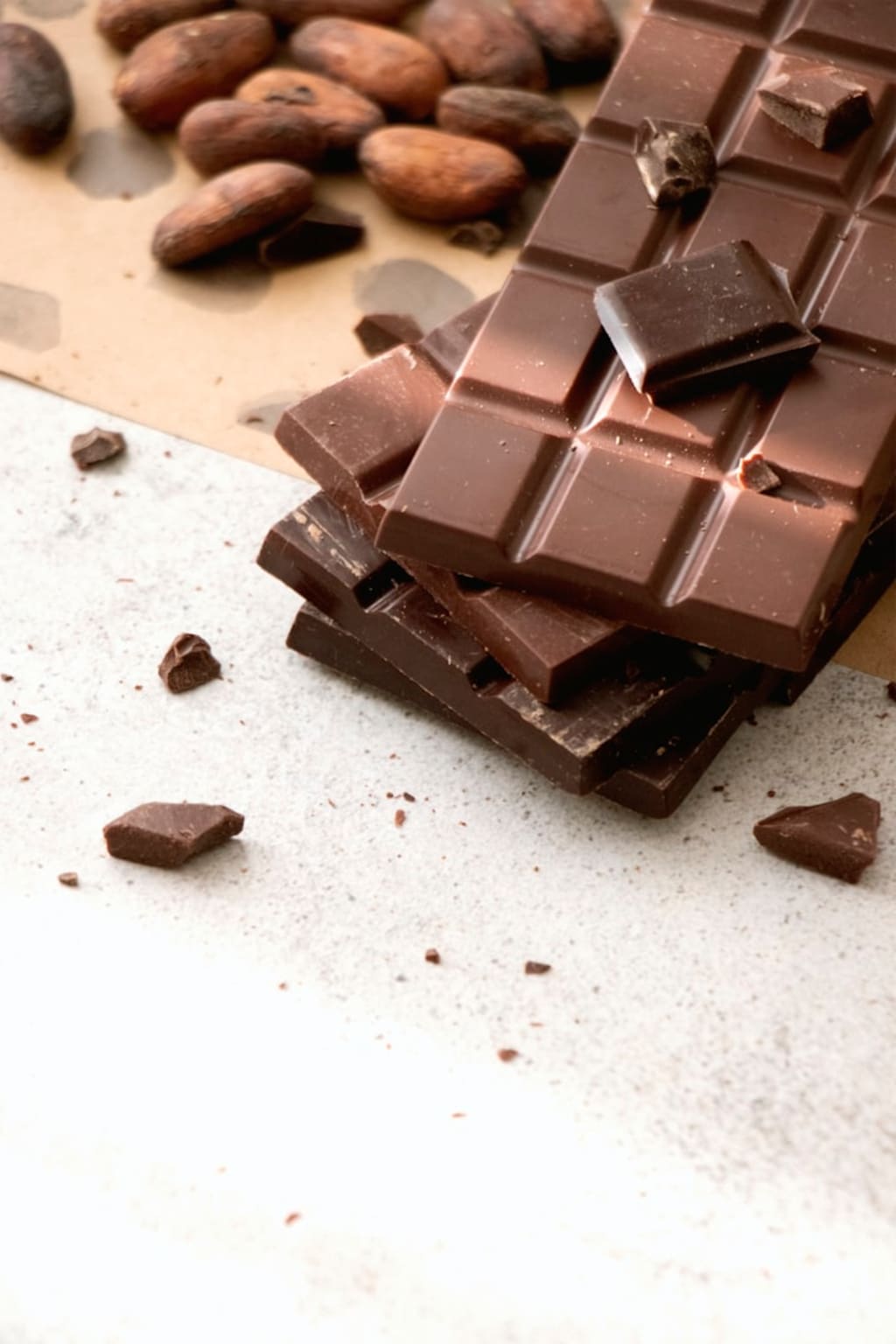
There is a universal language spoken across every continent, a silent understanding that transcends borders, cultures, and generations. It does not require words, yet it has the power to comfort the broken-hearted, celebrate the joyous, and elevate the mundane. This language is written in the rich, velvety, and deeply complex world of chocolate. For centuries, humans have maintained an intense, almost spiritual love affair with this simple bean. What started as a bitter, sacred beverage in the dense rainforests of Central America has evolved into a multi-billion-dollar global obsession. To understand chocolate is to understand the perfect intersection of history, science, and pure sensory indulgence. To truly appreciate the chocolate sitting in your pantry today, one must travel back thousands of years to the ancient civilizations of the Mayans and the Aztecs. For these cultures, the cacao bean was not a sweet treat; it was literally considered a gift from the gods. They ground the beans into a thick, frothy, and unsweetened beverage mixed with chili peppers and water. This drink, known as xocolatl, was consumed during sacred rituals, used as medicine, and valued so highly that cacao beans were actually used as a form of currency. When European explorers first encountered this dark liquid, they were initially repelled by its bitterness. However, once sweet cane sugar and vanilla were introduced to the recipe in Europe, the world changed forever. Chocolate transformed from a bitter potion into an exclusive luxury for royalty, setting off a global demand that has never slowed down. The secret behind our modern obsession with chocolate lies in a fascinating blend of chemistry and human biology. Have you ever wondered why a single bite of chocolate can instantly melt away a stressful day? It is not just your imagination; it is real science. Chocolate contains a unique cocktail of natural compounds that interact directly with the human brain. One of these is tryptophan, an essential amino acid that the brain uses to produce serotonin, the primary chemical responsible for feelings of happiness and relaxation. Additionally, chocolate triggers the release of endorphins, the body's natural pain relievers, and contains small amounts of caffeine to provide a gentle, comforting lift in energy. It is quite literally a natural mood enhancer packed into a delicious, edible form. Furthermore, the physical experience of eating chocolate is a masterpiece of natural engineering. Cacao butter, the natural fat found within the cacao bean, has a highly unusual physical property. It remains solid at room temperature but melts at exactly thirty-seven degrees Celsius, which happens to be the precise internal temperature of the human mouth. This means that the very second you place a piece of chocolate on your tongue, it begins to liquefy, coating your taste buds and releasing a complex wave of flavor notes that can range from earthy and nutty to fruity and floral. This instantaneous transformation creates a luxurious sensory experience that very few other foods on earth can replicate. As our understanding of nutrition has advanced, scientists have also discovered that high-quality chocolate, particularly dark chocolate with a high percentage of cacao, offers a surprising array of health benefits. Dark chocolate is loaded with powerful antioxidants known as flavonoids. These compounds work diligently within the human cardiovascular system, helping to relax blood vessels, lower blood pressure, and improve overall circulation to both the heart and the brain. Eating a small piece of dark chocolate daily is no longer seen as a guilty pleasure, but rather as a delicious way to support long-term heart health and cognitive function. It proves that nature's most indulgent creation can also be remarkably kind to our bodies. Today, the world of chocolate is undergoing a massive cultural renaissance, mirroring the sophisticated worlds of fine wine and specialty coffee. Consumers are moving away from mass-produced, sugary candy bars and turning their attention toward artisanal, bean-to-bar chocolates. Enthusiasts now search for single-origin chocolates, where the cacao beans are harvested from a single farm or region, allowing the unique soil, climate, and environment to shape the final flavor profile. Whether it is a bright, citrusy chocolate from Madagascar or a deep, smoky variety from Ecuador, chocolate has become a gourmet experience meant to be savored slowly and appreciated deeply. In conclusion, chocolate has successfully cemented its place as one of the greatest culinary triumphs in human history. It has transitioned from a sacred currency of ancient empires to a modern symbol of comfort, luxury, and love. By combining rich historical roots, complex psychological chemistry, unique physical properties, and surprising health benefits, it continues to capture human hearts and palates worldwide. The next time you unwrap a piece of chocolate, take a moment to look at it, smell its rich aroma, and let it melt slowly. You are not just eating a sweet; you are participating in a timeless, global tradition of pure, unadulterated joy.
About the Creator
Shoaib
Storyteller writing engaging health articles 🍏, captivating stories 📚, & news with an exciting twist 📰. Delivering useful, high-quality content to inspire your day! 🔥🚀
Enjoyed the story? Support the Creator.
Subscribe for free to receive all their stories in your feed.
Comments
There are no comments for this story
Be the first to respond and start the conversation.