
Is Nasi Lemak Actually Healthy?
Unlocking the secrets to Malaysia's Popular Dish


Yes, nasi lemak can be part of a healthy diet—but the classic “everything also add” version is more like a sometimes-treat than a daily staple, especially if you’re watching weight, cholesterol, or blood pressure.
What Actually Goes Into Nasi Lemak?
Nasi lemak isn’t just “rice with sambal”; it’s a full combo meal in disguise.
Typical components:
Coconut milk rice (fragrant, higher in calories than plain rice)
Sambal (chili paste with oil, salt, sometimes sugar)
Ikan bilis (fried anchovies) and peanuts (crispy, salty, fatty)
Egg (hard-boiled or fried, adds protein and cholesterol)
Cucumber (the only obviously “diet-friendly” part)
Optional add-ons: fried chicken, rendang, sotong, otak-otak, extra sambal… you know the drill.
Sounds innocent, but when you put it all together, you’re looking at a fairly energy-dense meal.
Calories: How “Heavy” Is One Plate?
Here’s where a lot of people get a shock.
Across different sources and portion sizes, a typical plate of nasi lemak lands roughly in this range:
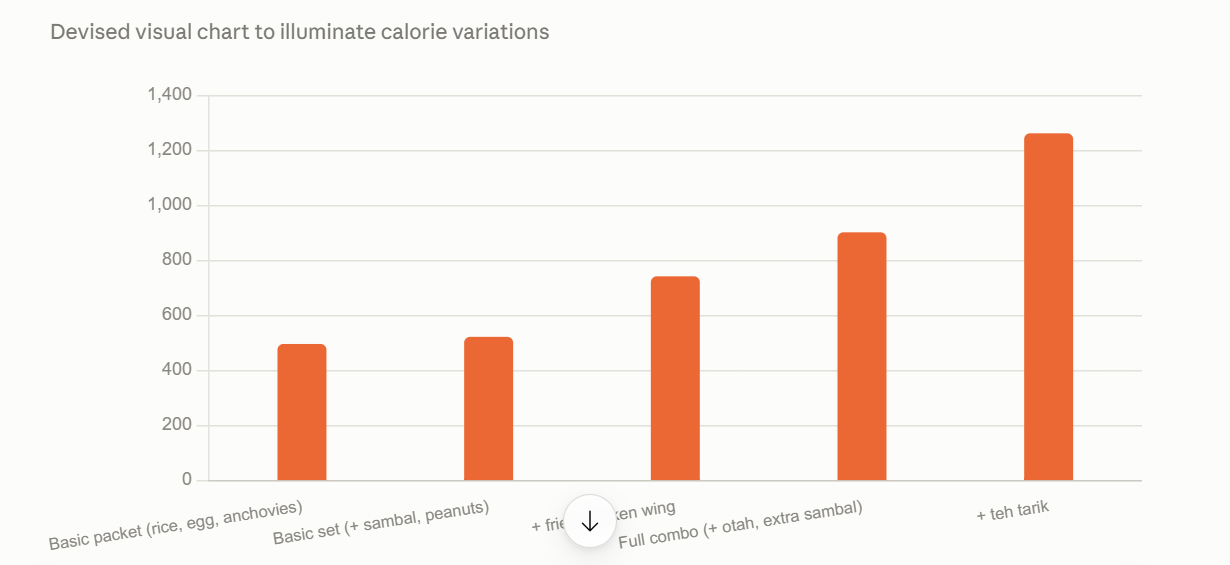
For many adults, that’s half—sometimes more—of a full day’s calorie needs in one sitting.
The Good News: What’s Healthy About Nasi Lemak?
Let’s give this national treasure some credit.
1. Balanced macronutrients
Nasi lemak combines:
Carbohydrates from rice for energy
Protein from egg, anchovies, and optional meats, with some plates offering 10–20 g or more per serving
Fats from coconut milk, peanuts, and fried items
That’s a fairly complete macro profile if your portion and toppings are controlled.
2. Micronutrients & beneficial compounds
Coconut milk provides some minerals and fat-soluble nutrients.
Anchovies and eggs offer iron, calcium, and B vitamins.
Sambal contributes antioxidants and capsaicin from chilies, which may support metabolism and circulation.
Cucumber adds water and a bit of fiber, helping with hydration and digestion.
Fun fact: TIME magazine once listed nasi lemak as one of the world’s healthier international breakfasts—mainly for its balanced composition (not the XXL chicken set).
The Not-So-Good News: Why People Call It “Unhealthy”
Here’s the part your doctor worries about.
1. High calorie density
Even a modest plate can hit 500–700 kcal, and more generous, “ayam goreng plus everything” versions easily cross 900 kcal.
If you’re trying to lose or maintain weight, that’s a lot, especially as a regular breakfast or supper.
2. Saturated fat
Coconut milk in the rice significantly raises saturated fat compared to plain white rice.
One 210 g serving was recorded at about 7.6 g saturated fat, which is substantial for a single dish.
Add fried chicken or other deep-fried sides and the total fat climbs even higher.
Regular high intake of saturated fat is linked to increased heart disease risk.
3. Sodium and fried components
Sambal and ikan bilis can push sodium levels up, contributing to higher blood pressure if eaten frequently.
Fried anchovies, peanuts, and chicken add more salt and oxidized fats, which aren’t great in large, regular amounts.
Experts generally caution that eating nasi lemak regularly can strain the cardiovascular and cerebrovascular systems over time.
So… Is Nasi Lemak Healthy or Not?
Short answer: It’s “conditionallly healthy”—great as an occasional, well-portioned meal; problematic as a daily, everything-deep-fried habit.
Think of it like this:
As a sometimes treat in a balanced diet: reasonable.
As your everyday breakfast, lunch, and midnight snack: not so much.
Health-wise, it really depends on how often, how much, and what you add on top.
How Often Can You Eat Nasi Lemak?
It depends on your health goals and conditions, but these are practical guidelines inspired by nutrition sources and typical calorie/fat counts:
If you’re generally healthy and active:
Enjoy a moderate portion (no giant fried combo) 1–2 times a week.
If you’re trying to lose weight:
Keep it to once a week or less, and treat it like a “planned indulgence” within your calorie budget.
If you have high cholesterol, hypertension, or heart disease risk:
Limit to occasional small portions and choose lighter versions (less coconut milk, fewer fried sides, more vegetables).
In other words: you probably don’t need to break up with nasi lemak—but you might need to stop seeing it every single morning.
Smart Ways to Make Nasi Lemak “Healthier”
You don’t have to suffer through a sad, flavorless version. Small tweaks go a long way.
Choose lighter rice
Ask for less rice or share a packet.
Opt for stalls that use less coconut milk or mix with brown rice when available.
Upgrade your protein
Pick hard-boiled egg instead of fried egg.
Choose grilled/roasted chicken or fish instead of deep-fried options.
Control the sambal & sides
Request less sambal if you’re watching sodium or calories.
Keep ikan bilis and peanuts to a small spoonful instead of a mountain.
Add more cucumber or other vegetables to balance the plate.
Watch the “combo effect”
Try not to pair nasi lemak with sugary drinks like teh tarik or Milo ais every time—your calories can easily hit 1000+ in one meal.
On nasi lemak days, keep your other meals lighter to stay within your daily calorie needs.
These changes don’t turn it into a salad, but they make a noticeable difference.
Nasi Lemak and Different Health Goals
Weight management
Because a standard plate can be around 500–700 kcal, nasi lemak fits best when you plan the rest of your day’s intake carefully and avoid multiple high-calorie meals.
Heart health and cholesterol
If you’re concerned about cholesterol or heart disease, the saturated fat and fried components are the main issues to watch.
Smaller portions, less coconut milk, and fewer fried add-ons can help keep it in the “occasional treat” zone rather than “daily risk.”
Blood pressure
High sodium from sambal and salted ikan bilis may be a concern if you have hypertension.
In that case, go lighter on sambal, choose less salty sides, and limit how often you have the dish.
Memorable Takeaway: Should You Ditch Nasi Lemak?
You don’t need to ban nasi lemak from your life; you just need to stop pretending it’s a harmless everyday breakfast.
A moderate, thoughtfully chosen plate once in a while can absolutely fit into a healthy lifestyle—especially if you balance your portions, toppings, and weekly frequency.
About the Creator
Eina Liban
Finding beauty in everyday life and learning how to live it to the fullest. Writing on health, tech, and human wellness.
Enjoyed the story? Support the Creator.
Subscribe for free to receive all their stories in your feed.
Comments
There are no comments for this story
Be the first to respond and start the conversation.