Climate
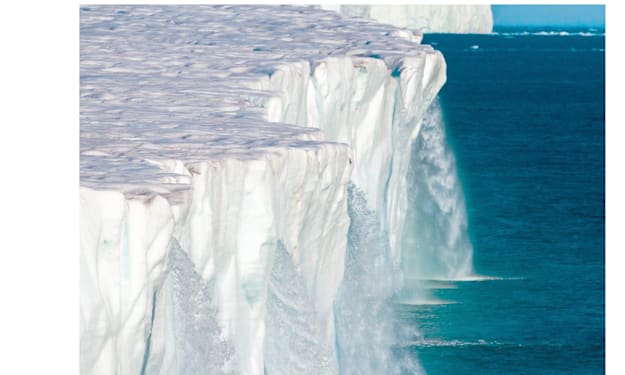
The melting of Antarctic ice shelves is happening far more quickly than anticipated, which is bad news for sea levels worldwide.
Antarctic ice shelves are being eaten away from underneath by warming oceans far more quickly than current models indicate. The mechanism behind it has been discovered in a recent study.
By Francis Dami4 months ago in Earth
When Competitors Join Forces: The Real Fight to Save Social Startups
In the world of social entrepreneurship, great ideas are everywhere. Passionate founders are building solutions for poverty, education, healthcare, climate change, and financial inclusion. Yet many of these promising ventures never reach their full potential.
By Farooq Hashmi4 months ago in Earth
Crocodiles Beneath Silent Waters and Human Fear
There is something deeply unsettling about still water. A quiet river can look peaceful until a ripple breaks the surface and reminds us that danger may already be there. Crocodile has carried that feeling for centuries. These ancient reptiles do not chase attention, yet they remain one of the most feared predators in the natural world. When people search for “crocodiles,” they are often searching for more than facts. They want to understand why these creatures create such intense emotions. Fear, respect, curiosity, and fascination all exist together when crocodiles are involved. Hidden beneath muddy rivers and tropical wetlands, they represent survival in its rawest form, unchanged by time and untouched by human comfort.
By Muqadas khan4 months ago in Earth
US Army Desperate Attempt to Bomb a Live Volcano and Save a Hawaiian Town
US Army Desperate Attempt to Bomb a Live Volcano and Save a Hawaiian Town In late 1935, residents of Hilo, Hawaii, watched with growing fear as glowing rivers of lava from Mauna Loa, one of the largest and most active volcanoes on Earth, slowly advanced across the island toward their community. The eruption would eventually trigger one of the strangest and most desperate military operations in American history: a real aerial bombing campaign against an active volcano. Scientists, soldiers, pilots, and government officials all became involved in a high-risk effort to alter the course of nature itself. Although the operation remains controversial to this day, it represented one of humanity’s earliest attempts to directly intervene in volcanic activity using military force.
By History Seeker4 months ago in Earth
Ukraine Has Built the World's Most Advanced Drone Defense System Under Fire. Now It's Sharing the Secrets With the Gulf. Here Is How It Actually Works.
There is a technology story embedded in the Ukraine war that has been almost entirely overlooked by media coverage focused on death tolls, territorial maps, and diplomatic headlines. It is the story of how a country, facing an existential aerial threat with insufficient conventional air defense, developed — under fire, in real time, at enormous human cost — the most sophisticated drone detection and interception system the world has ever seen. And it is now sharing that knowledge with Gulf states facing the same threat from the same source: Iran's arsenal of Shahed-series attack drones, cruise missiles, and ballistic weapons.
By Gideon Polycarp4 months ago in Earth
Cold Shock?
Just a day ago, people in north central Wisconsin were enjoying a touch of warmth that felt like a true sign of spring. Light jackets replaced heavy coats. Families stepped outside. The air carried a sense of relief after months of cold weather. It felt like the season had finally changed. But then, almost unexpectedly, everything shifted. How did the weather change so fast? Nature doesn’t always follow human expectations. After Monday’s unseasonably warm temperatures, a cold air system quickly moved into the region. This sudden shift pushed temperatures downward, leaving highs struggling to reach even 50°F (10°C) through the middle of the week. For many residents, it feels confusing — how can it feel like spring one day and late winter the next? What does this mean for daily life? This isn’t just about numbers on a weather report. It’s about how people live their everyday lives. The return of colder temperatures means pulling winter clothes back out of closets. Morning routines feel harsher. Outdoor plans are delayed or canceled. Even simple activities like walking, jogging, or sitting outside suddenly feel uncomfortable again. Are the winds making it worse? Absolutely. The cold air is being accompanied by strong, gusty winds reaching up to 30 miles per hour. These winds don’t just blow — they cut through clothing, making temperatures feel even colder than they actually are. This “feels-like” temperature can impact how people experience the day, turning a cool afternoon into something that feels much closer to freezing. Why is frost a serious concern? One of the biggest worries isn’t just the cold — it’s the frost expected by Wednesday morning. Frost may seem harmless, but it can be damaging, especially during spring. Plants that began to grow during the recent warmth are now at risk. Flowers, small crops, and garden plants could be affected overnight. For farmers and gardeners, this is more than inconvenience — it’s a potential loss. What about the rain later in the week? As if cold and wind weren’t enough, scattered showers are expected by Thursday. Rain during already chilly conditions can make everything feel heavier and more uncomfortable. Wet roads, gray skies, and cold winds together create a mood that feels far from the bright, hopeful energy people expect in spring. Is this kind of weather normal? It may feel unusual, but sudden changes like this are not entirely rare. Seasonal transitions — especially between winter and spring — are often unpredictable. Warm air and cold air systems compete, and sometimes the colder one wins, even if only for a short time. This is part of the natural rhythm of weather, even if it catches people off guard. When will things start to improve? There is good news on the horizon. Weather experts suggest that conditions will begin to improve toward the end of the week. A high-pressure system is expected to move into the region, bringing calmer winds, clearer skies, and gradually rising temperatures. It won’t happen instantly, but the shift back toward warmth is coming. What lesson does this weather teach us? This sudden cold snap is a reminder of how quickly things can change. One warm day doesn’t guarantee stability. Being prepared for unexpected weather — whether by protecting plants, dressing in layers, or staying updated with forecasts — can make a big difference. Nature always has the final say. Final Thoughts Wisconsin’s sudden drop in temperature tells a simple but powerful story. It shows how unpredictable weather can be, especially during times of seasonal change. From warm sunshine to chilly winds and possible frost, this week is a reminder that spring doesn’t always arrive smoothly. But just as quickly as the cold came, it will pass. And when it does, the warmth will feel even more welcome than before.From warm sunshine to chilly winds and possible frost, this week is a reminder that spring doesn’t always arrive smoothly. But just as quickly as the cold came, it will pass. And when it does, the warmth will feel even more welcome than before. Moments like these also remind communities to stay patient and adaptable, because nature often moves in its own rhythm, not ours.
By Ethan Blake5 months ago in Earth