
Growing Demand for Long-Lasting Outdoor Materials
Homeowners today are placing far more importance on long-term value when planning outdoor living spaces. Decks, patios, and backyard structures are no longer seen as short-term upgrades but as permanent extensions of the home. This shift has changed how people evaluate materials, with more focus on durability, maintenance, and lifespan rather than just upfront cost or initial appearance. In this evolving mindset, Ipe wood has emerged as one of the most trusted and desirable decking materials.
Unlike budget-friendly options that may need replacement within a decade or require constant maintenance, homeowners are increasingly interested in materials that can perform well for decades with minimal issues. This is where Ipe stands out. Its reputation for strength and longevity has made it a preferred choice for those who want to invest once and enjoy their outdoor space for many years without recurring problems.
Exceptional Natural Durability
One of the strongest reasons behind the rising popularity of Ipe wood, check out this guide, is its natural durability. Ipe is a dense tropical hardwood that is known for its ability to withstand extreme outdoor conditions without significant deterioration. It naturally resists rot, decay, mold, mildew, and insect damage, which are common problems in many traditional decking materials.
This resistance is not dependent on chemical treatments or artificial coatings but comes from the wood’s natural structure. Because of this, Ipe performs exceptionally well in environments with high humidity, heavy rainfall, or intense sun exposure. It does not easily absorb moisture, which significantly reduces the risk of swelling, warping, or cracking over time.
For homeowners, this level of durability translates into peace of mind. Instead of worrying about seasonal damage or frequent repairs, they can rely on a material that remains stable and strong throughout the year.
Long Lifespan and Investment Value
Another major factor influencing homeowner decisions is the impressive lifespan of Ipe wood. When properly installed and maintained, Ipe decking can last several decades, often exceeding the lifespan of many other common decking materials. In some cases, it can even last half a century or more, making it one of the longest-lasting natural materials used in outdoor construction.
While the initial cost of Ipe is higher compared to pressure-treated wood or some composite options, homeowners are increasingly evaluating total lifetime cost rather than just upfront pricing. When maintenance, repairs, and replacement cycles are considered, Ipe often becomes more cost-effective over time.
This long-term value perspective is especially important check out this guide for homeowners planning to stay in their property for many years. Instead of repeatedly investing in repairs or replacements, they prefer a single high-quality installation that remains stable for decades.
Premium Natural Appearance
A significant reason homeowners are drawn to Ipe wood is its visual appeal. It features a rich, deep brown color with fine and elegant grain patterns that create a luxurious outdoor aesthetic. This natural beauty makes it a popular choice for high-end homes, modern outdoor designs, and luxury landscaping projects.
Each plank of Ipe wood has slight variations in tone and texture, which gives the finished deck a unique and organic appearance. Unlike synthetic materials that can sometimes look uniform or artificial, Ipe provides a more natural and authentic feel.
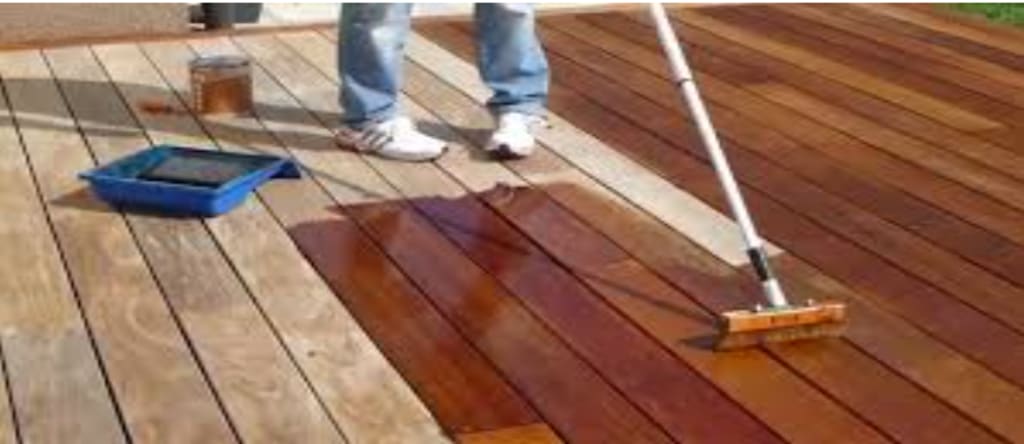
Over time, homeowners also have flexibility in how the material ages. If left untreated, Ipe gradually develops a soft silver-gray patina that many people find visually appealing. Alternatively, if maintained with periodic oiling, it can retain its original warm brown color for many years. This adaptability adds to its overall design value.
Strength and Resistance to Heavy Use
Ipe is widely recognized as one of the hardest and strongest woods used in decking applications. Its density gives it exceptional resistance to scratches, dents, and surface damage, even under heavy daily use. This makes it especially suitable for homes with active families, pets, or frequent outdoor gatherings.
Outdoor furniture movement, foot traffic, and general wear do not easily affect its structure or appearance. This level of strength ensures that the deck continues to look and perform well even after years of use.
In comparison to softer wood species, Ipe maintains its integrity far better over time. This durability is one of the key reasons it is often chosen for high-traffic commercial spaces as well as residential projects.
Flexible Maintenance Requirements
Maintenance expectations play an important role in material selection for homeowners, and Ipe offers a balanced approach in this area. While it is not completely maintenance-free, its requirements are relatively simple compared to many traditional wood options.
Homeowners who want to preserve the rich brown color of Ipe can apply oil periodically to maintain its appearance. However, this is optional rather than necessary for structural performance. Even without treatment, the wood remains strong and durable, gradually aging into a natural gray tone.
This flexibility allows homeowners to choose how much effort they want to invest in upkeep. Some prefer the polished, maintained look, while others appreciate the natural weathered aesthetic that develops over time.
Performance in Different Climates
Climate adaptability is another important reason behind Ipe’s growing popularity. Because of its density and natural resistance to moisture, it performs well in a wide range of environmental conditions.
In humid or coastal regions, where many materials struggle with mold or water damage, Ipe remains stable and reliable. In hot climates, it holds up well under strong sunlight without easily deteriorating. In colder regions, it resists cracking and structural weakening caused by temperature fluctuations.
This versatility makes it a practical option for homeowners in different geographic locations, reducing the need to choose specialized materials based on climate alone.
Sustainability and Long-Term Resource Efficiency
Sustainability is becoming increasingly important in modern construction choices, and Ipe wood contributes positively in this area due to its long lifespan. Because it lasts significantly longer than many alternative materials, it reduces the frequency of replacement, which in turn reduces overall material consumption and waste.
Fewer replacements also mean lower long-term environmental impact from manufacturing, transportation, and installation processes. While sourcing practices vary, the extended durability of Ipe itself supports a more resource-efficient lifecycle compared to shorter-lasting materials.
For environmentally conscious homeowners, this long-term perspective adds another layer of value to the material.
Final Thoughts on Its Growing Popularity
Homeowners are choosing Ipe wood because it successfully combines strength, beauty, and long-term reliability in a way that few other materials can match. It offers a premium appearance that enhances outdoor spaces while delivering the durability needed to withstand decades of use.
Although the initial investment is higher, many homeowners see Ipe as a long-term solution rather than a short-term expense. Its ability to resist damage, maintain structural integrity, and adapt visually over time makes it a strong contender in modern decking choices.
As outdoor living continues to grow in importance, materials like Ipe wood are becoming increasingly relevant for homeowners who want lasting value, reduced maintenance stress, and a high-quality outdoor experience that endures for years.
About the Creator
Enjoyed the story? Support the Creator.
Subscribe for free to receive all their stories in your feed.
Comments
There are no comments for this story
Be the first to respond and start the conversation.