
Deforestation Effects: Causes, Consequences, and Solutions
How the loss of forests is changing ecosystems, communities, and the future of the planet
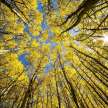

Forests are often called the lungs of the Earth, and for good reason. They absorb carbon dioxide, release oxygen, regulate climate, protect wildlife, and support millions of people around the world. Yet every year, huge sections of forests disappear because of human activity. The effects of deforestation are becoming more visible in rising temperatures, stronger natural disasters, loss of wildlife, and damaged ecosystems.
Deforestation is not just an environmental issue. It is also a social, economic, and global problem that affects human health, food production, and the future of life on Earth. Understanding its causes and consequences is one step toward finding solutions that actually work.
What Is Deforestation?
Deforestation happens when forests are cleared or destroyed on a large scale, usually to make space for agriculture, infrastructure, mining, or urban development. In some areas, trees are cut down for timber and paper products. In others, forests are burned to create farmland or grazing areas for livestock.
While some forest clearing may be necessary for development, the problem becomes dangerous when it happens faster than forests can naturally recover. This imbalance damages ecosystems and weakens the planet’s ability to fight climate change.
Major Causes of Deforestation
1. Agricultural Expansion

One of the biggest drivers of deforestation is agriculture. Large areas of forest are cleared to grow crops such as soy, palm oil, and coffee. Livestock farming also contributes heavily, especially in tropical regions where forests are removed for cattle grazing.
As the global population continues to grow, the demand for food increases. Unfortunately, this often leads to more forests being sacrificed for farmland.
2. Logging and Timber Production

Trees are valuable resources used in construction, furniture, and paper manufacturing. Legal and illegal logging operations cut down millions of trees every year. In many cases, forests are harvested faster than they can regenerate.
Illegal logging is especially damaging because it often happens without environmental regulations or reforestation efforts.
3. Urbanization and Infrastructure

Roads, highways, buildings, and industrial developments require land. Expanding cities and transportation systems frequently push into forested areas, fragmenting ecosystems and destroying habitats.
This type of development may improve economic growth, but it often comes at a high environmental cost.
4. Mining Activities

Mining operations require clearing land for extraction sites, roads, and waste disposal. Forests near mining zones are often heavily damaged, and nearby water sources can become polluted with harmful chemicals.
The environmental impact can continue long after mining projects are completed.
Environmental Consequences of Deforestation

- Loss of Biodiversity - Forests are home to countless species of animals, plants, insects, and microorganisms. When forests disappear, these species lose their habitats and struggle to survive. Some animals are forced to migrate, while others face extinction. Tropical rainforests, in particular, contain some of the richest biodiversity on the planet, making their destruction especially concerning.

- Increased Climate Change - Trees absorb carbon dioxide from the atmosphere, helping reduce greenhouse gas levels. When forests are cut down or burned, the stored carbon is released back into the air. This process contributes to global warming and accelerates climate change. Fewer trees also mean less carbon absorption in the future, creating a dangerous cycle.

- Soil Erosion and Flooding - Tree roots help hold soil together and prevent erosion. Without forests, soil becomes loose and vulnerable to heavy rainfall and strong winds. This can lead to landslides, flooding, and reduced soil fertility. Farmers in deforested areas often struggle with declining crop quality because nutrients are washed away.

- Disruption of Water Cycles - Forests play a major role in regulating rainfall and maintaining water cycles. Trees release moisture into the atmosphere through transpiration, which helps form clouds and rain. When forests disappear, rainfall patterns may change, leading to droughts in some areas and severe storms in others.
Human Impacts of Deforestation

- Threats to Indigenous Communities - Many indigenous groups depend on forests for food, shelter, medicine, and cultural identity. Deforestation forces communities from their ancestral lands and disrupts traditional ways of life. In some cases, indigenous people also face violence and exploitation linked to illegal logging or land disputes.

- Health Risks - Deforestation can increase the spread of diseases. When wildlife habitats are disturbed, animals carrying viruses may come into closer contact with humans. Air pollution from forest fires also causes respiratory problems and other health issues, especially for nearby communities.

- Economic Challenges - Forests support industries such as tourism, agriculture, and fisheries. When forests are destroyed, local economies can suffer long-term damage. While deforestation may provide short-term profits, the long-term environmental costs often outweigh the immediate economic benefits.
Solutions to Deforestation

Reforestation and Tree Planting - One of the most effective solutions is planting trees and restoring damaged forests. Reforestation helps absorb carbon dioxide, improve biodiversity, and stabilize ecosystems. Many organizations and communities around the world are now investing in large-scale tree planting projects.

- Sustainable Farming Practices - Agriculture does not always have to come at the expense of forests. Sustainable farming methods such as agroforestry, crop rotation, and improved land management can increase food production while protecting natural ecosystems. Consumers can also support sustainable products that are certified environmentally responsible.

- Stronger Environmental Laws - Governments play a critical role in protecting forests through laws and enforcement. Cracking down on illegal logging and regulating land use can significantly reduce deforestation rates. Protected areas and national parks also help preserve critical habitats.

- Supporting Conservation Organizations - Environmental groups work to protect forests, educate communities, and promote sustainable development. Supporting these organizations through donations, volunteering, or awareness campaigns can make a meaningful difference.

- Responsible Consumer Choices - Everyday choices matter more than people realize. Buying sustainably sourced wood products, reducing paper waste, and supporting eco-friendly companies can help reduce demand for destructive practices. Even small lifestyle changes can contribute to forest conservation over time.
Final Thoughts
Deforestation is one of the most serious environmental challenges facing the world today. Its effects reach far beyond disappearing trees. It impacts climate stability, wildlife, human health, and future generations.
The good news is that solutions exist. Governments, businesses, communities, and individuals all have the ability to take action. Protecting forests is not just about saving nature. It is about protecting the balance that supports life on Earth.
The future of forests depends on the choices people make today. By promoting sustainability, supporting conservation, and spreading awareness, society can help preserve these vital ecosystems before more damage becomes irreversible.
About the Creator
Eco Earth
Writer | Poet | Nature Protector | Environmentalist
Enjoyed the story? Support the Creator.
Subscribe for free to receive all their stories in your feed.
Comments
There are no comments for this story
Be the first to respond and start the conversation.