
Why Felt Products Are Taking Over Modern Homes in 2026
The Future is Felt
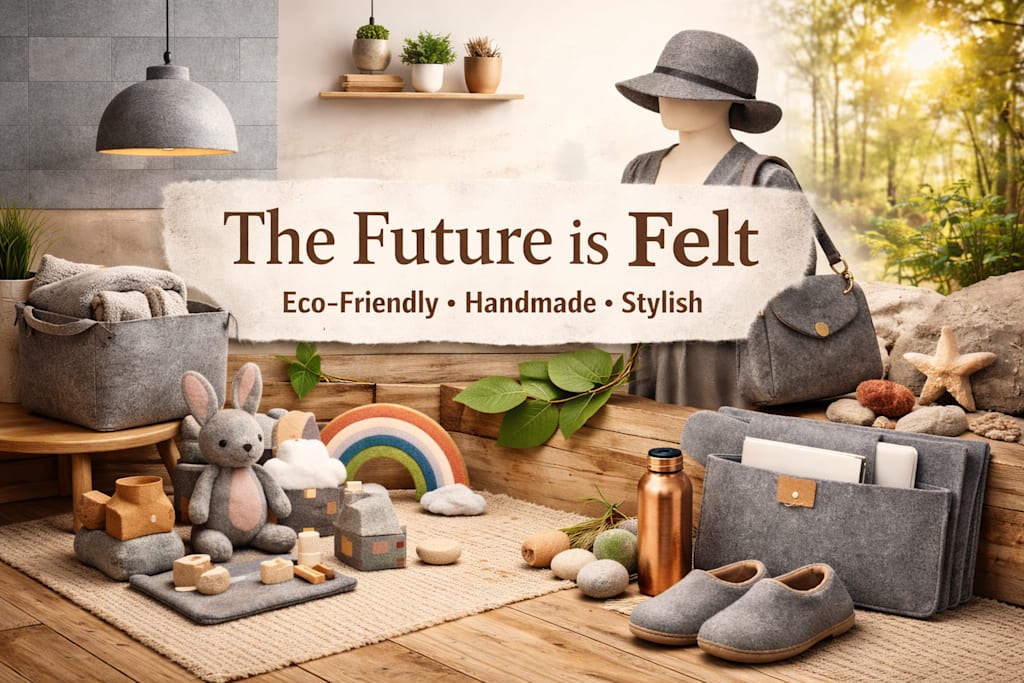
Walk into a modern café, boutique hotel, minimalist office, or stylish home today, and chances are you will spot felt products everywhere — from elegant storage baskets and designer wall panels to eco-friendly bags and handcrafted decorations.
What was once considered a simple craft material has now become one of the biggest trends in sustainable lifestyle products.
But why are people suddenly obsessed with felt?
The answer is simple: felt products combine aesthetics, functionality, sustainability, and handmade charm in a way that very few materials can. In a world overloaded with plastic and mass-produced products, felt feels warm, natural, premium, and human.
And consumers are loving it.
What Exactly Are Felt Products?
Felt products are made from compressed fibers that are pressed together using heat, moisture, and pressure instead of weaving. This creates a soft yet durable fabric that can be shaped into almost anything.
Unlike ordinary textiles, felt has a unique structure:
- It does not fray easily
- It keeps its shape well
- It provides insulation
- It feels soft and premium
- It lasts for years
Today, felt products are used in:
- Home décor
- Fashion accessories
- Baby toys
- Office organization
- Eco-friendly packaging
- Pet products
- Christmas decorations
- Acoustic interiors
- DIY crafts
And the market is growing faster than ever.
The Rise of Eco-Friendly Living Changed Everything
A few years ago, consumers mostly cared about price.
Now?
People want products that:
- Look beautiful
- Last longer
- Reduce waste
- Feel handmade
- Support sustainability
That shift completely changed the demand for felt products.
Unlike cheap plastic décor or synthetic accessories, felt products offer a more natural and premium feel. Many wool felt items are biodegradable, reusable, and environmentally responsible.
This is one of the biggest reasons why felt bags, felt baskets, and felt organizers exploded in popularity on platforms like Pinterest, Etsy, Instagram, and Amazon Handmade.
Consumers no longer want products that look “factory made.”
They want products with personality.
Why Felt Products Feel More Premium Than Plastic
There’s something psychological about felt.
When people touch felt, they immediately associate it with:
- Warmth
- Comfort
- Craftsmanship
- Minimalism
- Luxury simplicity
Plastic feels cold.
Felt feels alive.
That emotional connection matters more than most businesses realize.
This is why premium brands increasingly use felt for:
- Packaging
- Product presentation
- Store décor
- Luxury gift wrapping
- Interior design accents
Even tech companies now use felt in laptop sleeves and desk accessories because it creates a modern, clean, sophisticated look.
Felt Storage Products Became a Huge Trend
One of the biggest lifestyle trends globally is organization.
People want cleaner homes, cleaner desks, and minimalist spaces.
That’s where felt organizers became incredibly popular.
Felt Storage Products Trending Right Now
Felt Laundry Baskets
Modern homes love felt laundry baskets because they look stylish while remaining lightweight and durable.
Felt Desk Organizers
Minimalist office setups now commonly include:
- Felt pen holders
- Felt cable organizers
- Felt document trays
- Felt laptop stands
- Felt Toy Storage
Parents prefer felt toy baskets because they are soft, safe, and visually appealing.
Unlike hard plastic bins, felt storage blends naturally into home interiors.
Why Parents Love Felt Toys for Kids
Parents are becoming increasingly careful about the materials children interact with.
Plastic toys often contain:
- Cheap paint
- Sharp edges
- Excessive noise
- Poor durability
Felt toys feel safer.
That’s why handmade felt educational toys are growing rapidly worldwide.
Popular felt toys include:
- Quiet books
- Felt alphabets
- Animal sets
- Finger puppets
- Pretend food sets
- Montessori learning kits
These toys encourage imagination rather than screen addiction.
And parents appreciate that.
The Pinterest Effect: How Social Media Made Felt Products Viral
A major reason behind the growth of felt products is visual platforms like Pinterest and Instagram.
Felt products photograph beautifully.
The texture, soft appearance, handmade look, and earthy colors work perfectly for:
- Flat lays
- Minimalist interiors
- DIY videos
- Craft tutorials
- Aesthetic home content
Searches for terms like:
- “Felt home décor”
- “Minimalist felt storage”
- “Handmade felt ornaments”
- “Felt nursery décor”
- “Wool felt balls”
have grown massively over recent years.
Consumers are discovering felt products not through traditional advertising — but through lifestyle inspiration.
Felt Products Are No Longer Just Handmade Crafts
This is where many people misunderstand the felt industry.
Felt is no longer just a craft-store material.
Today it is used in:
- Luxury interior design
- Acoustic engineering
- Corporate branding
- Sustainable packaging
- Automotive insulation
- Fashion accessories
- Designer furniture
In fact, modern offices now use felt acoustic wall panels because they reduce echo while looking stylish.
Restaurants and co-working spaces increasingly use felt interiors because they create warmth and reduce noise naturally.
Handmade Felt Products Have Higher Emotional Value
One reason handmade felt products perform well online is emotional connection.
People know handmade products take time.
When customers buy felt products handcrafted by artisans, they feel like they are purchasing:
- Creativity
- Human effort
- Authenticity
- Uniqueness
That emotional value increases customer loyalty.
Mass-produced plastic items rarely create the same feeling.
This is why handmade felt ornaments, personalized felt gifts, and custom felt decorations often command premium pricing.
Why Felt Products Sell So Well During Holidays
Felt products become especially popular during:
- Christmas
- Valentine’s Day
- Baby showers
- Weddings
- Easter
- Homewarming events
Why?
Because felt creates warmth and nostalgia.
Handmade felt Christmas ornaments, stockings, and decorations feel more personal than factory-made décor.
Many families even keep felt decorations for years, turning them into sentimental traditions.
The Fashion Industry Is Quietly Embracing Felt
Fashion trends constantly shift toward sustainability.
That’s good news for felt.
Modern felt fashion products include:
- Felt hats
- Felt tote bags
- Felt slippers
- Felt jewelry
- Felt wallets
- Felt handbags
Consumers increasingly prefer products that feel artisanal instead of overly manufactured.
Minimalist fashion brands especially love felt because it pairs well with:
- Neutral color palettes
- Scandinavian aesthetics
- Eco-conscious branding
Why Businesses Are Using Felt Packaging
Luxury packaging is changing.
Brands want packaging that:
- Looks premium
- Feels unique
- Is reusable
- Supports sustainability
Felt packaging checks every box.
Many companies now use:
- Felt pouches
- Felt wine bags
- Felt gift boxes
- Felt jewelry cases
Customers often reuse felt packaging instead of throwing it away.
That extends brand visibility long after the purchase.
The Psychology Behind Why Customers Click on Felt Products
This is where things get interesting.
Felt products trigger curiosity because they visually stand out.
Online shoppers are tired of:
- Generic plastic
- Overly polished products
- Cheap mass production
Felt products look:
- Soft
- Handmade
- Cozy
- Authentic
- Instagram-worthy
That combination increases click-through rates significantly.
Especially when paired with:
- Neutral backgrounds
- Warm lighting
- Minimalist photography
- Natural textures
This is why felt product listings often perform exceptionally well on Pinterest and Etsy.
Sustainability Is the Future — and Felt Fits Perfectly
Consumers are becoming more environmentally aware every year
Plastic waste concerns continue growing globally.
This has created huge opportunities for sustainable felt products made from:
- Wool
- Recycled fibers
- Eco-friendly materials
Businesses selling sustainable felt products often attract:
- Eco-conscious buyers
- Premium customers
- Gift shoppers
- Minimalist lifestyle audiences
And these audiences typically spend more.
Best-Selling Felt Products in 2026
Here are some of the fastest-growing felt product categories right now:
Home & Living
- Felt storage baskets
- Felt coasters
- Felt placemats
- Felt wall décor
Kids & Baby
- Felt toys
- Felt mobiles
- Quiet books
- Nursery décor
Fashion
- Felt handbags
- Felt hats
- Felt slippers
Office
- Felt desk organizers
- Felt laptop sleeves
- Acoustic felt panels
Seasonal
- Felt Christmas ornaments
- Halloween felt décor
- Wedding decorations
Final Thoughts
Felt products are no longer a niche craft category.
They are becoming a major part of modern sustainable living.
People want products that feel:
- Authentic
- Warm
- Eco-friendly
- Handmade
- Stylish
Felt delivers all of that.
From luxury interiors and minimalist offices to children’s toys and eco-conscious fashion, felt products continue to grow because they connect emotionally with consumers in ways plastic simply cannot.
And as sustainability becomes even more important in the coming years, the demand for high-quality felt products will only continue rising.
For businesses, creators, and brands, this is not just a trend.
It’s a long-term shift in consumer behavior.
About the Creator
Enjoyed the story? Support the Creator.
Subscribe for free to receive all their stories in your feed.
Comments
There are no comments for this story
Be the first to respond and start the conversation.