
Understanding Depression: Symptoms, Causes, and the Path to Healing
What Is Depression?

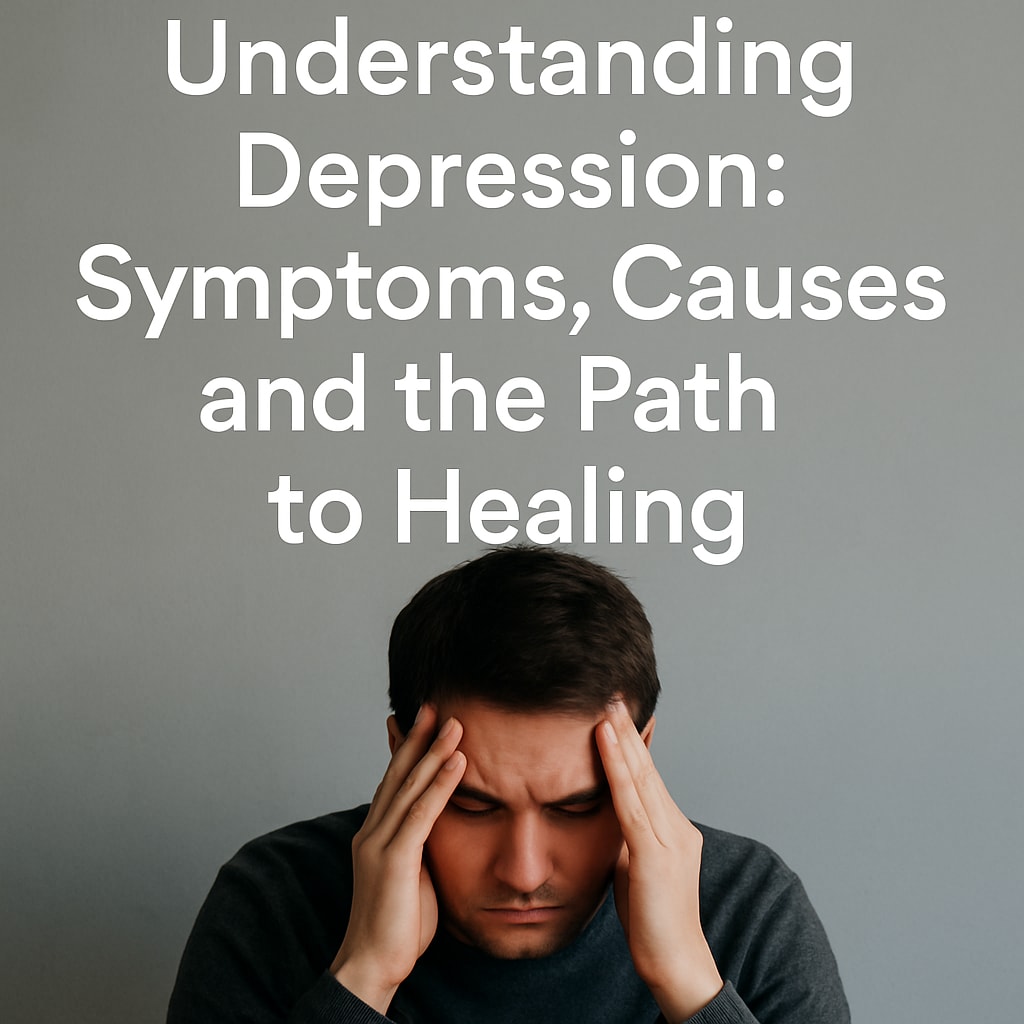
Depression is more than just feeling sad. It’s a deep, often invisible struggle that millions of people face every day. It can affect anyone — regardless of age, gender, or background — and yet, it’s one of the most misunderstood mental health conditions. This article will explore what depression really is, how it shows up in daily life, what causes it, and how you can find hope and healing. What Is Depression? Depression is a serious mental health condition that affects how you feel, think, and act. It goes far beyond a bad mood or a rough day. People with depression often experience persistent feelings of sadness, hopelessness, and a lack of interest in life. Depression is recognized as a medical condition and can interfere with your ability to work, sleep, eat, and enjoy life. It’s also more common than many people realize — according to the World Health Organization, over 280 million people globally suffer from it. Common Symptoms of Depression Depression can look different from person to person. Some may smile and function normally in public, while suffering silently in private — known as high-functioning depression. Here are the most common symptoms: Persistent sadness or low mood Loss of interest in activities you once enjoyed Fatigue or lack of energy Changes in sleep patterns (insomnia or oversleeping) Changes in appetite or weight Feelings of guilt, worthlessness, or helplessness Difficulty concentrating or making decisions Physical symptoms like headaches or stomach issues Thoughts of self-harm or suicide If you've experienced several of these symptoms for more than two weeks, you may be dealing with clinical depression — and it's important to seek help. What Causes Depression? There is no single cause of depression. It's usually the result of a combination of factors: Biological Factors: Chemical imbalances in the brain, particularly with neurotransmitters like serotonin and dopamine. Genetics: A family history of depression can increase your risk. Trauma and Stress: Emotional trauma, abuse, loss of a loved one, or chronic stress can all trigger depression. Chronic Illness: Physical health conditions like cancer, heart disease, or chronic pain can lead to depression. Substance Abuse: Drug or alcohol misuse often worsens depression. Understanding the cause of your depression is a step toward managing and overcoming it. How Depression Affects Your Daily Life Depression is more than an emotional issue — it impacts your whole life. It can affect your: Relationships: You may withdraw from friends and family or struggle to maintain connections. Work or School: Concentration and motivation often drop, making daily tasks feel overwhelming. Physical Health: Depression is linked to a weakened immune system and can worsen conditions like heart disease or diabetes. Self-Image: Constant negative thoughts can damage your confidence and self-worth. The worst part? Many people feel too ashamed to talk about it. But depression isn’t a weakness — it’s a condition that needs care, just like any physical illness. Ways to Cope With and Treat Depression If you or someone you know is struggling with depression, know that healing is possible. Here are proven strategies that help: 1. Talk to a Mental Health Professional Therapists and counselors are trained to help you understand and manage depression. Cognitive Behavioral Therapy (CBT) is especially effective for changing negative thought patterns. 2. Medication Antidepressants can help balance brain chemicals. Always consult a doctor before starting or stopping any medication. 3. Build a Support System Stay connected to people who care about you. Even a short conversation with a friend can make a difference. 4. Practice Self-Care Exercise, eat healthy, and maintain a sleep routine. Small habits create a big impact over time. 5. Avoid Alcohol and Drugs These substances might numb the pain temporarily but worsen depression in the long run. 6. Set Small Goals When depressed, even basic tasks can feel overwhelming. Set small, achievable goals and celebrate your progress. 7. Try Mindfulness or Meditation Mindfulness helps ground you in the present and reduces anxiety and rumination. Final Thoughts: You're Not Alone Depression is a heavy burden, but you don't have to carry it alone. The road to recovery takes time, compassion, and support — but countless people have walked it and found joy again. You can too. If you're feeling overwhelmed, please reach out. Whether it's a loved one, a therapist, or a mental health hotline, help is always available. You matter. Your story isn't over yet.
About the Creator
Saqib Ullah
Saqib Ullah is a content creator and writer on Vocal.media, sharing SEO-friendly articles on trending news, lifestyle, current affairs, and creative storytelling. Follow for fresh, engaging, and informative reads.
Enjoyed the story? Support the Creator.
Subscribe for free to receive all their stories in your feed.
Comments
There are no comments for this story
Be the first to respond and start the conversation.