
Today's Growing Dilemma: Family Vlogs and Parentification
When do responsibilities for a child get to be too much?

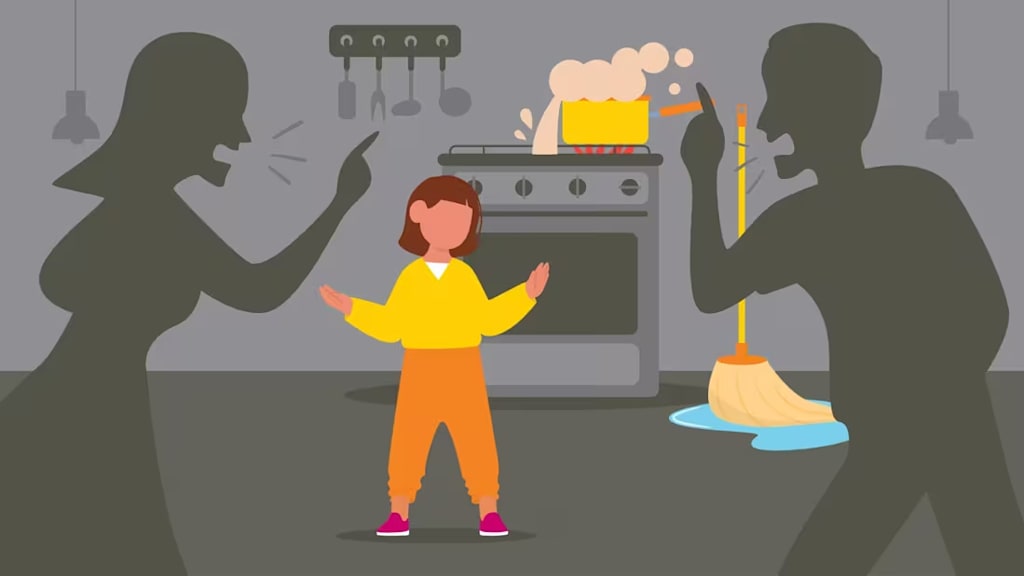
Parentification occurs when typical adult caregiving roles are taken on by a child or teen. These roles can disrupt important, healthy development in this child and create lasting mental health challenges.
The responsibilities can range from caring for younger siblings, managing household tasks, and becoming the sole emotional support system for a parent. Which, on the surface, the child may present as mature, responsible, and self-reliant, but these qualities can mask significant distress. The child could be experiencing persistent anxiety, guilt, depression, and even believe their own needs don't matter.
Understanding Parentification
The concept of parentification was first described by Salvador Minuchin and colleagues in the 1960s, they observed certain family structures where the parents would relinquish executive functions by giving instrumental roles to a child or psychologically abandoning their family.
While, in a healthy parent-child relationship, the parent takes the role to provide structure, safety, and emotional support but in a parentified family dynamic, the roles are flipped. The child is the one who takes on holding the family together, neglecting their own emotional needs, social development, and their childhood experiences. It is estimated that approximately 1.3 to 1.4 million children from ages 8-18 in the United States experience this and mental health professionals worldwide are increasingly recognizing the impact.
Trauma
When a child is consistently placed in a parental role, especially when this role involves managing a parent's emotional instability, substance abuse, or mental illness, it can be deeply distressing. The child starts to suppress their own emotions and needs to instead maintain stability in the family, this can lead to long-term effects on their emotional regulation, self-esteem, and interpersonal relationships.
But, it is important to also understand that not every instance of a child assisting at home constitutes parentification. But, it evolves into something traumatic when the responsibilities are chronic, age-inappropriate, unacknowledged, and going on without any emotional support in return.
The lack of recognition and support is often what makes parentification so harmful.
But Is It Abuse?
Well, whether parentification grows to the level of abuse depends on a few things: the severity, duration, and the degree to which the child's own personal needs are being neglected.
In the cases where the child is consistently being required to serve as a parent's emotional support system, having to manage crises, or taking on those responsibilities that compromise their physical and emotional well-being, it can end up being considered a form of emotional abuse or neglect, even if there is no malicious intent.
Many parents that are parentifying a child are carrying this out without any conscious awareness. This could be due to them dealing with their own unresolved childhood trauma, mental illness, substance use, or just overwhelming life circumstances.
A parent whose own needs for nurturance weren't met during their childhood may attempt to satisfy these emotional needs through the child, this can create a cycle that can span through generations. Understanding this will not excuse the harm, but instead it can start the process of healing for the entire family.
Types of Parentification
There are generally two categories of Parentification, many parentified children will experience elements of both.
Instrumental Parentification
This involves the child taking on physical, logistical, or practical tasks that would typically be the responsibility of an adult. These tasks can range from preparing meals, paying the bills, managing household chores, caring for younger siblings, shopping for groceries, or coordinating the family's schedules. The child essentially runs the household while their parent(s) are absent, impaired, or unable to function in their parental role.
Emotional Parentification
This is when the child becomes the primary source of emotional support for a parent or other family member. This child may serve as a confidant, a mediator in adult conflicts, a keeper of secrets, or an emotional caretaker of sorts, absorbing the anxiety of the parent, sadness, or instability. This type of parentification is often more difficult to identify, since it usually takes place behind closed doors and could come off as a close parent-child bond from the outside.
The Consequences of Each Type
There are significant consequences for both types of parentification, but the effects may manifest differently.
A child experiencing instrumental parentification may experience chronic stress, fatigue, academic decline, and they lose age-appropriate experiences such as play, socialization, and exploration. They may develop a rigid sense of responsibility and can struggle to relax or ask for assistance.
While on the other hand, a child experiencing parentification tend to experience profound psychological effects. When they become responsible for managing their parent's emotional state they often end up internalizing the belief that their value comes from what they provide for someone else, not from who they are. They can develop people-pleasing patterns, have trouble setting boundaries, experience chronic anxiety, and have a profound disconnection from their own personal emotional needs. Emotional parentification is closely linked to depression, eating disorders, substance abuse, and relationship difficulties later in their adult life.
Impact On a Teen's Self-Identity
Your adolescence is a very critical period for identity formation. As a teenager you are supposed to be exploring who you are, testing boundaries, building important peer relationships, and developing a sense of autonomy. But, if parentification is present, developmental work is interrupted. You go from asking who you are into asking what your family needs from you.
Resulting in a fractured self-identity, a teen whose identity is centered around caregiving may have difficulty seeing themselves beyond that role. They feel decades older than peers, leading them to be disconnected from the interests and experiences that define a normal adolescent life, and they become uncertain about their own emotions after spending years attending to everyone else's. Research confirms that self-reported parentification is associated with negative outcomes in the overall health and wellness across the person's lifespan.
Causes of Parentification
It is rare that parentification emerges from a singular cause, it usually develops within a family system that is under strain, in cases that the usual structures of caregiving and responsibility have broken down or are imbalanced. Divorce or separation, chronic illness or disability, homes where domestic conflict or instability is present, and situations where one or both of the parents are emotionally unavailable are common dynamics that contribute to this.
It develops gradually, sometimes starting with a child who starts to help out during a difficult time and the seemingly temporary role eventually becomes permanent. The family starts to adjust to the new dynamic and the child's contributions go from being appreciated to expected. If it goes on without any intentional intervention, the patterns tend to deepen rather than resolve on their own.
If a parent is dealing with mental illness, substance abuse, or their own unresolved childhood trauma, their ability to fulfill their parental role may be significantly compromised. The parent may lean on their child for emotional support if they are not receiving it from elsewhere. On the other hand, if they are dealing with a substance abuse disorder, they may appear physically present, but are emotionally and functionally absent, this leaves the child to manage daily responsibilities. And a single parent may be overwhelmed by financial hardship, leading them to rely on their oldest child to help out in that area.
It is important to note that none of this means the parent is intentionally harming their child. But, the impact of parentification on a young person is real, with or without intent.
It is not only a product of individual family dysfunction, but is also shaped by broader structural factors. This can range from financial hardship, lack of access to mental health services, cultural expectations, immigration-related stressors, and limited community support systems. These all contribute to an environment where a child ends up being called upon to take on adult responsibilities. Parentification may develop as a survival mechanism for those in families facing poverty, housing instability, or systemic barriers to care.
Signs of a Parentified Child
Signs of parentification can be rather difficult to identify, this is because these signs appear to be positive traits on the surface, they can come off as responsibility, maturity, and selflessness. However, it is when these behaviors come from a sense of obligation rather than healthy development that they become warning signs.
Behavioral Signs
Assuming a caregiver role: A teen is consistently taking on responsibilities that belong to a parent, such as cooking, cleaning, managing siblings' and their schedules, mediating adult conflicts, or other logistics within the family. The teen may even describe themselves as the one who is holding everything together.
Excessive responsibility: Carrying an outsized sense of duty for their family, leading them to feel responsible for a parent's emotional state, their sibling's behavior, or the overall stability of the family. This can cause the teen to struggle with leaving home, attend social events, and they may fail to focus on their own needs without a sense of guilt.
People-pleasing: A child who has been parentified will often develop people-pleasing patterns in order to cope. They have learned early on that their value comes from meeting others' needs, which could cause them to go to great lengths in order to avoid conflict, keep the peace, or keep others comfortable even if it is at their own expense.
Suicidal thoughts: These thoughts happen in severe cases. The weight of being the one to carry adult responsibilities combined with suppressing their own emotional needs can contribute to feelings of hopelessness and suicidal ideation.
Extreme self-reliance: This is when the teen avoids asking for help, dismiss their personal struggles, and insists on handling everything on their own. This isn't out of confidence, but instead out of a learned belief that there is no one who is there for them.
Social isolation: Teens who are parentified may withdraw from their peers due to them feeling different, older, or unable to relate to the concerns of those who are their age. This, or they may simply lack the time or energy for social activities because of their responsibilities at home.
Emotional Signs
Anxiety and worry: The child can experience chronic worry about their parent's wellbeing, the stability of the family, or what will happen if they were to stop performing their caregiving role. This often extends beyond typical adolescent anxiety or stress and can become pervasive and debilitating.
Guilt and shame: If they prioritize their own needs, they feel a deep sense of guilt and shame. Feeling if wanting something for themselves is selfish.
Depression: They can feel persistent sadness, loss of interest, low mood, and emotional flatness, often masking these feelings by appearing "fine" or "strong." Symptoms of depression in parentified teens often go overlooked because they present as capable and put-together.
Difficulty setting boundaries: They can struggle to say no or recognize where their responsibility ends and someone else's begins.
Resentment and anger: Many parentified teens carry significant resentment towards the parent who placed them into the role, towards siblings who were not placed in such a role, and towards the childhood that they feel was taken from them. The anger may present as irritability, defiance, or emotional outbursts.
Neglecting their own needs: Skipping meals, losing sleep, abandoning hobbies, or dismissing their own emotions as unimportant.
Physical Signs
Changes in health due to stress: Experiencing chronic stress from caregiving can manifest physically in the form of headaches, stomachaches, muscle tension, weakened immune function, and many other stress-related symptoms.
Sleep disturbances: The teen can have difficulty falling asleep, staying asleep, or may sleep too much. They may lie awake at night worrying about their family or be physically exhausted from the demands of the role they have taken on.
ADHD like symptoms: The cognitive demands of managing a household can deplete executive functioning resources, this leads to difficulty concentrating, organizing, and completing schoolwork, these symptoms can often be mistaken for ADHD.
Substance use: Some teens in these parentified roles turn to alcohol, marijuana, or other substances to attempt to cope with the emotional weight.
Healing From Parentification
It is possible to heal from parentification, but of course it requires intentional work, not only from the child who is parentified, but from the family as a whole. It is a systemic issue rooted in family dynamics, so effective treatment addresses the entire family system rather than focusing on the child's symptoms.
Comments
There are no comments for this story
Be the first to respond and start the conversation.