bipolar
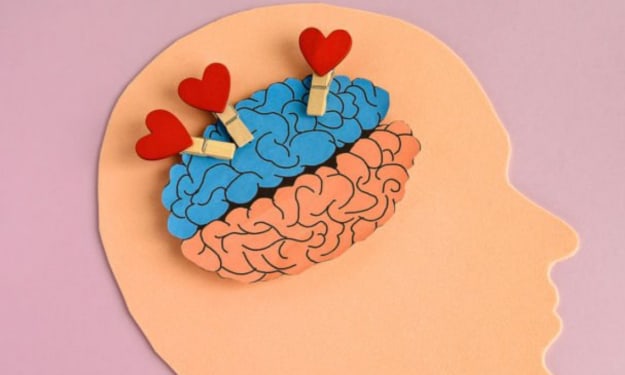
Bipolar disorder; understanding the highs, the lows and the in between.
Sigmund Freud: The Father of Psychoanalysis and His Impact on Psychology
Sigmund Freud, an Austrian neurologist born in 1856, is widely recognized as one of the most influential and controversial figures in the history of psychology. As the founder of psychoanalysis, Freud revolutionized how we think about the human mind, behavior, and mental health. His theories have had a profound and lasting impact not only on psychology but also on art, literature, and popular culture.
By Bobi Dutchabout a year ago in Psyche
The Hidden Psychology of Connection
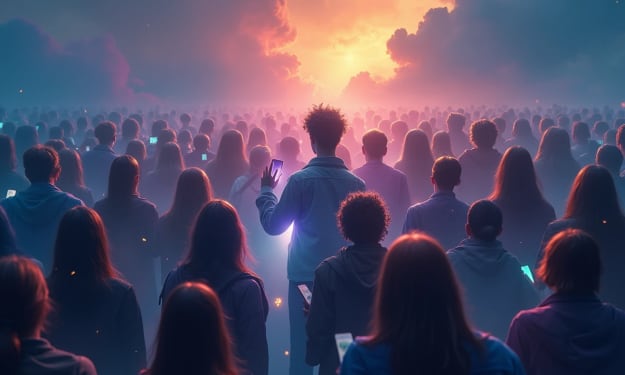
In a world more digitally connected than ever, loneliness is paradoxically thriving. As we scroll through social media feeds and interact with AI companions, we find ourselves surrounded by virtual connections that, in reality, leave us feeling more isolated than before. Eric Solomon, Ph.D., explores this paradox and reveals how the very tools meant to keep us connected might be deepening our sense of isolation. The Paradox of Digital Connection Loneliness is not a new phenomenon, but it has evolved alongside our technological advances. With smartphones, social media, and now AI companions, we have access to constant streams of communication. Yet, despite the illusion of constant connection, many of us feel more isolated than ever. This paradox becomes strikingly clear when we look around in public spaces like New York’s Union Square. People, once engaged in face-to-face conversation, are now engrossed in their phones, disconnected from the world around them. The same technology that promised to bridge the gap between us seems to have only widened it. As Solomon points out, the rise of AI chatbots and virtual assistants, like ChatGPT, reflects a new attempt to address this loneliness. These tools can simulate emotional availability, offering comfort and companionship. However, while they provide solace, they do so without reciprocity. The lack of genuine human interaction makes these digital companions seem comforting at first, but over time, they can leave us feeling even emptier and more disconnected. How Loneliness Affects Our Brain Understanding the psychological impact of loneliness is crucial. Our brains are wired for real, emotionally attuned connections. Attachment theory tells us that from birth, we crave secure relationships, and these connections are essential for our emotional and psychological well-being. But in today’s world, much of our interaction is mediated through screens, and these interactions are often brief, shallow, and performative. The result? We enter an insecure attachment loop. As we feel more isolated, we withdraw further, making it harder to trust others and open ourselves to vulnerability. This isolation becomes a vicious cycle: the lonelier we feel, the more difficult it becomes to connect, leading to even deeper isolation. The Role of Technology in Deepening Isolation Technology, though not entirely to blame, plays a significant role in exacerbating this issue. AI companions, while appearing to fulfill emotional needs, do not offer real connection. Our nervous systems, tricked into believing that these virtual interactions provide the warmth and understanding we seek, end up reinforcing our sense of emptiness. Studies have shown that those who rely heavily on chatbots for emotional support often experience greater loneliness and fewer meaningful real-life interactions. The very tools we turn to for comfort—smartphones, social media, and AI—are intensifying the loneliness they are meant to alleviate. The Collapse of Flourishing A recent Global Flourishing Study, involving over 200,000 people from more than 20 countries, reveals a disturbing trend: young adults—especially those aged 18 to 29—are struggling with mental, emotional, and social well-being. Unlike previous generations, their well-being doesn’t improve as they age. Instead, it remains stagnant, or even worsens, leading to what researchers call "the collapse of flourishing." In many parts of the world, the happiness curve that typically dips in midlife and then rises in later years has flattened entirely for this age group. The problem is not just that they are alone, as Robert Putnam’s seminal work "Bowling Alone" suggested. It’s that many young people aren't participating in social activities at all. The shift towards productivity, comparison, and digital engagement has undermined the sense of community and connection that once served as a foundation for well-being. Breaking the Cycle of Isolation So, what can we do about it? The first step is recognizing that digital detoxes won’t solve the problem. Shaming ourselves for spending too much time on our phones or social media may feel like a solution, but it’s only a temporary fix. Real change begins with acknowledging the root cause of our loneliness: the breakdown of genuine, secure human connections. Solomon emphasizes that loneliness is not simply a feeling but a neurological and behavioral issue. The more we isolate ourselves, the more our brains adapt to this isolation, making it harder to connect with others. However, there is hope. Small, consistent acts of human connection can help rewire our nervous systems. Reaching out to someone for a real conversation, attending social gatherings, or simply taking the time to be present with others can help rebuild trust and emotional resilience. The Importance of Human Connection In a world where technology is advancing faster than our ability to process its impact on our mental health, it’s easy to overlook the power of genuine human connection. While AI and digital tools can provide temporary comfort, they cannot replace the deep, meaningful bonds that come from real-life interactions. Even as technology continues to shape our lives, we must remember that true flourishing is rooted in connection with others. It’s not enough to have endless digital interactions or AI companions. We need to rebuild the emotional infrastructure of our lives—one that values vulnerability, trust, and real-time, face-to-face interactions. By doing so, we can begin to heal the psychological wounds that loneliness has inflicted on us. Conclusion As we navigate the complexities of the digital age, the challenge of loneliness looms larger than ever. Yet, as Eric Solomon’s insights reveal, there is a path forward. It may require stepping away from the digital world, even if just for a moment, to engage in the raw, imperfect, and beautiful connections that make us human. In these moments, we can find the antidote to loneliness—a deep sense of belonging that no screen or chatbot can ever replicate.
By SophiaSosoabout a year ago in Psyche
How to Support a Partner with Bipolar Disorder Without Losing Yourself
Loving someone with bipolar disorder can be both deeply rewarding and incredibly challenging. Bipolar disorder—a mental health condition characterized by extreme mood swings—doesn’t just impact the person diagnosed; it can profoundly affect their loved ones too.
By Richard Baileyabout a year ago in Psyche
Living One Day at a Time. Content Warning.
Hey guys, I have included a few photos of me video editing back in Austin, and other photos of me. This is not about me! I authored this story, created out of my dreams from my brain. I added some special effects. I also turned photos into videos. THIS IS MINE. I WORKED IN VIDEO EDITING, WRITING, PHOTOGRAPHY, MUSIC, AND FILM INDUSTRY FOR DECADES. I USED AI TOOLS TO CREATE AND TALK ABOUT PEACE, MINDFULNESS, NO DRAMA, NO GOSSIP, AND LIVING ONE DAY AT A TIME. MY WRITING. AI DID NOT WRITE THIS!!!!!!!!!!! I FIND MYSELF AT 75 BEING ON THE DEFENSIVE BECAUSE I USE MY VIDEO SKILLS UPDATED WITH NEW TECHNOLOGY. I FILMED AT THE AUSTIN MUSIC FESTIVAL, EDITING, ALL THAT. I FREE-LANCED FOR A NEWSPAPER IN NEW YORK CITY!!!!! I WORKED AT UNIVERSAL STUDIOS AS A UNION REP FOR THE IATSE. I WORKED IN HOLLYWOOD FOR DECADES. I WRITE MY OWN STUFF. COPYRIGHT 2025!!!! TRUSSELLI ART
By Vicki Lawana Trusselli about a year ago in Psyche
Understanding Inceptions's Complex World
Every time I watch Inception, I come away with a different question. The first time, I wondered if the top fell. The second, I wondered if Fischer really believed his father loved him. Now, I wonder how much of my own reality has been shaped by memory, emotion, or ideas someone else planted long ago.
By Beyond The Surfaceabout a year ago in Psyche
Daily Mental Health Practice
Mental Health: The Invisible Treasure of Life Good mental health is one of the greatest blessings in a person’s life. You can survive for years with physical illness, but when your mind breaks down, even a single day becomes unbearable.
By Radia Moniabout a year ago in Psyche
The Hidden Battle of Anxiety No One Ever Talks About. AI-Generated.
It started like any other Tuesday. I had a full schedule ahead—back-to-back meetings, deadlines, a lunch I had agreed to weeks ago and had been dreading ever since. From the outside, I looked like I had it all under control: perfectly ironed shirt, coffee in hand, a polite smile plastered across my face. But inside, I was breaking. That day, anxiety didn’t just whisper in the background like it usually did—it screamed, clawed, and thundered through my chest until I could no longer ignore it.
By fatih agriabout a year ago in Psyche
Mental health awareness
In a world that moves faster every day and is full of pressure, mental health is no longer just a personal issue—it has become a global concern. Unfortunately, many people still consider it taboo or not as important as physical health. Did you know that around 20% of people in Indonesia—approximately 54 million individuals—are estimated to be at risk of experiencing mental health disorders? These numbers are alarming and should encourage all of us to start taking mental health more seriously. "Mens sana in corpore sano"—a Latin phrase meaning "a healthy mind in a healthy body"—is something we often heard during our school days. This phrase carries a deep meaning, as our bodies naturally respond to our emotions and mental state. When we are mentally healthy, it reflects positively on our physical health as well. When we’re happy, our body releases dopamine, a hormone that generates feelings of pleasure and satisfaction. However, when we are sad or under stress, our body produces cortisol, a hormone that, if elevated for long periods, can lead to serious health issues such as weakened immunity, heart problems, and even depression. • The Difference Between Mental Health and Mental Illness Mental health is not something that can be judged easily by appearance. Many people carry their burdens silently—whether due to trauma, lack of support, or the feeling that no one truly understands them. Just because someone looks fine on the outside doesn’t mean they aren't struggling inside. Even mentally healthy individuals experience stress, sadness, and frustration. The key difference lies in how they manage these emotions. A mentally healthy person tends to approach problems by thinking, “What should I do? How can I solve this?” They are solution-oriented and believe in their ability to cope with difficulties. In contrast, someone suffering from mental illness may fall into negative thought patterns, often blaming themselves: “See? I always mess things up.” “I’m not capable.” “I’m a failure.” “I can’t do anything right.” These thoughts, if left unchecked, can escalate. In more severe cases, they may begin blaming others: “It's my parents' fault I am like this.” They may develop feelings of resentment, dissatisfaction, and anger. This emotional instability can lead to uncontrollable behavior, strained relationships, and, in extreme cases, thoughts of self-harm or suicide. • The Importance of Mental Health Awareness If you don’t take the first step to be aware of your own mental health, then who will? Self-awareness is the first and most crucial step. Acknowledge that you are human, that it’s okay to have flaws, and that perfection is an unrealistic standard. Each of us has our own strengths and unique value to offer to the world. Taking care of your mental health means treating yourself with kindness and patience. It means allowing yourself time to heal, to rest, and to grow. You don’t have to carry every burden alone. Sharing your struggles with someone you trust or seeking help from a mental health professional can lighten the load and open the door to healing. Moreover, we must also extend our compassion to others. Sometimes, just by being kind and offering a listening ear, we can make a huge difference in someone’s life. Mental health awareness isn't only about taking care of ourselves—it’s about creating a more empathetic society where everyone feels safe to be themselves. Incorporating healthy habits into our daily lives—such as regular exercise, healthy eating, mindfulness practices, and setting boundaries—can significantly improve our mental well-being. Remember, self-care is not selfish; it is necessary. Most importantly, understand that asking for help is a sign of strength, not weakness. Admitting that you are struggling shows courage and self-respect. You are not alone, and there is always hope for better days ahead. Taking care of your mental health is one of the greatest acts of love you can give yourself. So, be kind to yourself, stay connected with others, and never be afraid to seek support when you need it
By Ica Yulianti about a year ago in Psyche