
Mental Health in the Age of Hyper-Connectivity: Navigating the 2026 Social Landscape
mental health concerns
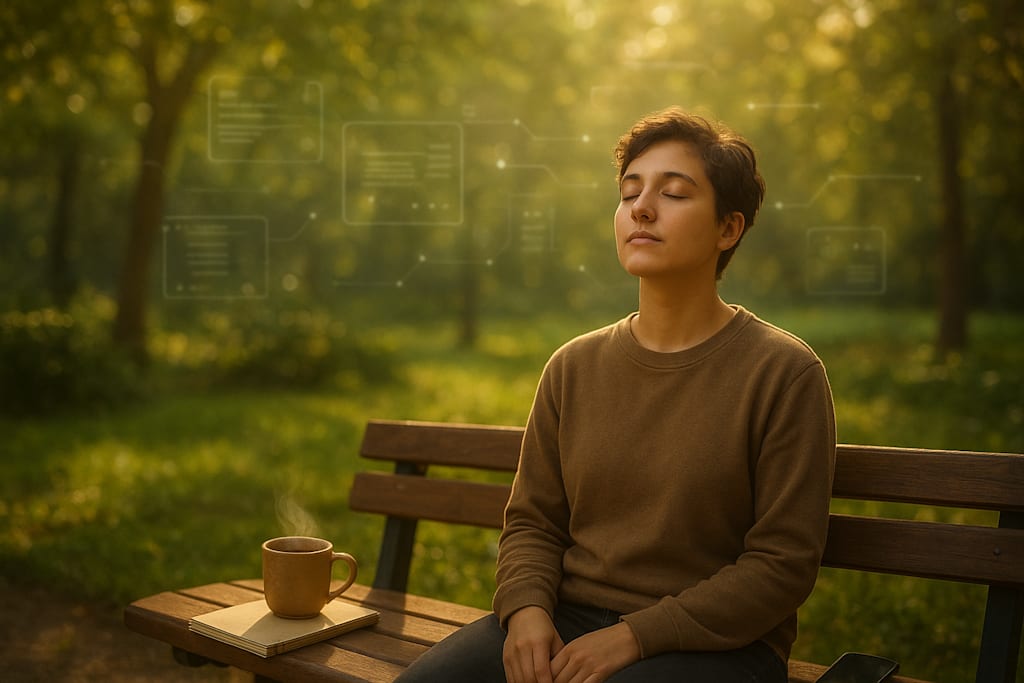
By 2026, the digital world has become an inseparable layer of our physical reality. With the integration of high-bandwidth wearable tech and the constant presence of AI intermediaries, we are "connected" in ways that the pioneers of the internet could only dream of. Yet, this hyper-connectivity has brought about a unique set of psychological challenges.
As we navigate this complex social landscape, understanding the state of mental health in 2026 requires us to look beyond the screen and into the very fabric of how we relate to ourselves and each other.
1. The Dopamine Drought and the Great Disconnect
For over a decade, the "attention economy" thrived on the constant stimulation of our reward systems. By 2026, however, many have reached a point of "Dopamine Exhaustion." The endless scroll and the instant notification no longer provide a spark; instead, they have created a sense of emotional numbness.
In response, we are seeing a massive movement toward "Digital Minimalism." In 2026, status is no longer measured by how many people you are connected to, but by your ability to be unreachable. Mental health professionals are increasingly prescribing "Unplugged Sabbaths"—mandatory periods where all wearable and ambient tech is deactivated to allow the nervous system to recalibrate.
2. The Rise of "Slow Social Media"
The era of the performative, mass-market social media platform is fading. In its place, the 2026 social landscape is dominated by "Slow Social" circles—smaller, closed networks where the focus is on depth and authenticity rather than reach and virality.
These platforms often utilize AI to filter out toxic discourse and "rage-bait," creating digital sanctuaries where users can engage in long-form dialogue. The shift from "Quantity of Connection" to "Quality of Presence" has been a lifeline for many struggling with the anxiety of the 2020s-era social internet. In these spaces, being "seen" means being understood, not just being liked.
3. AI as a Mental Wellness Ally
While technology is often blamed for mental health struggles, in 2026, it is also providing the solution. AI mental health companions have evolved from simple chatbots into sophisticated "Emotional Co-Pilots."
Preventative Care: By analyzing patterns in sleep, voice cadence, and digital interaction, these AI tools can detect early signs of burnout or depressive episodes before the user is even aware of them.
Cognitive Reframing: In moments of high stress, your AI assistant can provide real-time cognitive behavioral therapy (CBT) exercises tailored to your specific triggers and history.
The key difference in 2026 is that these tools are designed for user-wellbeing rather than platform-retention, representing a major ethical shift in the tech industry.
4. Reclaiming the Tactile: The Return to the Physical
Perhaps the most striking trend of 2026 is the renewed emphasis on tactile, physical experiences. As our professional and social lives move further into the "Metaverse" and virtual spaces, the hunger for the "Analog" has intensified.
Community centers, hobbyist workshops, and "Analog Cafes" (where digital devices are strictly prohibited) have become the new town squares. There is a growing recognition that human mental health is intrinsically tied to our physical environment—the smell of rain, the texture of paper, the warmth of a handshake. In 2026, "Health" is increasingly defined by the balance between our digital efficiency and our physical presence.
5. Cultivating Digital Resilience
Navigating the 2026 landscape isn't about escaping technology—that is virtually impossible. Instead, it's about cultivating "Digital Resilience." This involves developing the psychological tools to remain grounded in a world of constant information flow.
Education systems now include "Digital Emotional Intelligence" as a core subject, teaching students how to manage their digital boundaries, identify algorithmic manipulation, and practice "Presence" in a world of distractions.
Conclusion: The Human at the Center
The story of mental health in 2026 is one of recalibration. After years of being swept away by the tide of hyper-connectivity, we are finally learning how to put the human back at the center of the technological experience. By choosing depth over data and presence over pings, we are discovering that the most important connection we can ever have is the one we have with ourselves.
As we move forward, the goal of technology is no longer to connect the world, but to support the individual within it.
About the Creator
Enjoyed the story? Support the Creator.
Subscribe for free to receive all their stories in your feed.
Comments
There are no comments for this story
Be the first to respond and start the conversation.