
Emotional Control
Control The Skill That Changed More Lives Than Talent Ever Could

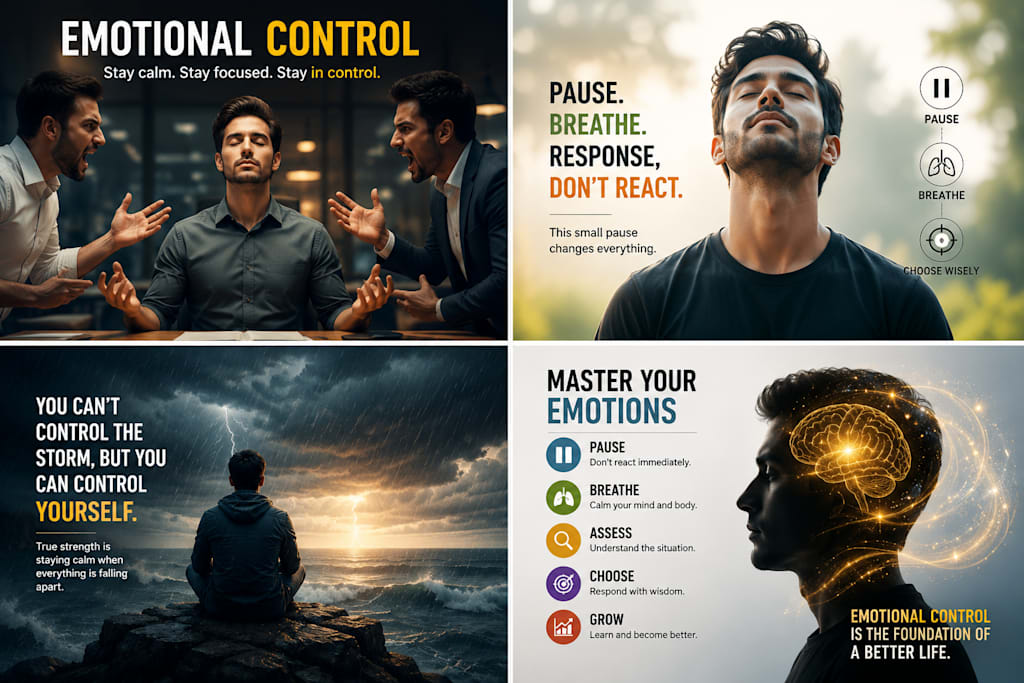
A few years ago, I watched two friends lose almost the same opportunity for completely different reasons. The first was brilliant. He learned quickly, spoke confidently, and had impressive technical skills. But whenever something went wrong, he reacted immediately. A delayed payment ruined his entire week. A small disagreement with a colleague turned into days of anger. A critical comment online kept him awake at night. The second friend was average in many ways. He was not the smartest person in the room, nor the most experienced. But he had one habit that quietly separated him from everyone else. He rarely reacted in the moment. When bad news arrived, he paused. When someone insulted him, he stayed calm. When plans failed, he adjusted instead of complaining. Years later, the difference between them became impossible to ignore. The talented friend kept starting over. The calmer friend kept moving forward. That was when I realized something important. Many people spend years trying to improve their skills, income, or appearance. Very few spend time learning how to manage their emotions. Yet emotional control affects almost every decision we make. Think about the last time you regretted saying something. Maybe you sent an angry message to someone you cared about. Maybe you quit a project too early because you felt discouraged. Maybe you bought something expensive just to feel better after a stressful day. Most regrets are not caused by a lack of intelligence. They happen because emotions temporarily take control. This doesn't mean emotions are bad. Fear can protect us from danger. Sadness reminds us that something matters. Excitement gives us energy to pursue goals. The problem begins when emotions become drivers instead of passengers. Imagine driving a car with a child sitting behind the steering wheel. The child may have good intentions, but they don't understand traffic, timing, or long-term consequences. Strong emotions work the same way. If anger is steering your decisions, you may damage relationships. If anxiety is steering, you may avoid opportunities that could change your life. If frustration is steering, you may give up just before progress appears. Learning emotional control doesn't mean becoming cold or emotionless. It means creating space between what you feel and what you do. One simple technique helped me more than any motivational quote. Whenever I feel overwhelmed, I ask myself one question. "Will this matter a year from now?" Most of the time, the answer is no. That rude comment online? Probably forgotten within a week. That delayed response from a client? Likely just a scheduling issue. That embarrassing mistake during a meeting? Everyone else is too busy worrying about their own mistakes to remember yours. This small pause changes everything. People often assume emotionally controlled individuals are naturally calm. Usually, they are not. They simply practice responding instead of reacting. A shopkeeper in Pakistan once shared something interesting with me. He had spent more than twenty years dealing with difficult customers. He said, "If I answer every angry person with anger, I lose customers and peace of mind. If I stay calm, most people apologize before leaving." The same principle works everywhere. In Pakistan, many beginners who start online businesses become discouraged after their first negative review. In countries like the United States or Canada, creators face similar challenges on platforms such as YouTube, Etsy, or freelance marketplaces. The environment changes. Human emotions do not. One of the biggest mistakes people make is believing they must solve emotional problems immediately. You don't need to fix every feeling. Sometimes you only need to sit with it. Disappointment often fades after a night's sleep. Anger weakens after a walk. Stress becomes manageable after talking to someone you trust. Emotional control is less about fighting feelings and more about understanding them. The next time life tests your patience, try these simple steps. Pause before replying. Take three slow breaths. Ask yourself if this situation deserves your energy. Wait twenty-four hours before making major decisions when emotions are intense. And remember that not every battle needs your participation. People admire confidence, intelligence, and talent. But the people who quietly succeed for decades usually possess something even more valuable. They have learned how to stay steady while everyone else is losing control. And in a world where almost everyone reacts instantly, staying calm has become a rare advantage. Maybe emotional control isn't about becoming a different person. Maybe it's simply learning not to let temporary feelings make permanent decisions.
About the Creator
Amir Khan
I share simple knowledge about online earning, freelancing, and personal growth for beginners around the world.
Enjoyed the story? Support the Creator.
Subscribe for free to receive all their stories in your feed.
Comments
There are no comments for this story
Be the first to respond and start the conversation.