
Top Tricks for Keto Diet Success
Best 10 Keto Tips to improve your lifestyle
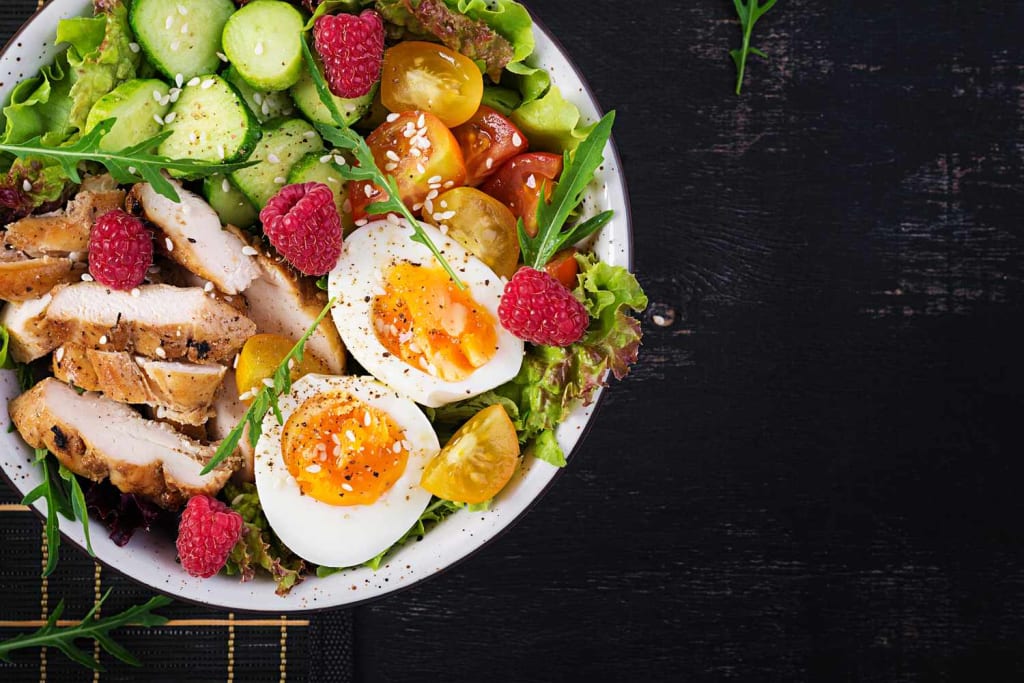
Intro
Are you thinking of starting the keto diet and want to make sure you are setting yourself up for success? If so, then you've come to the right place! In this blog post, we will be discussing the top tricks for achieving success on the keto diet. We'll look at strategies for staying on track with the diet, making the right food choices, and keeping motivated. With the right tips and tricks, you can experience all the amazing benefits of the keto diet and reach your health and wellness goals. Keep reading to learn the top tricks for successful keto dieting!
What is the Keto Diet?
The ketogenic, or "keto" diet is a low-carb, high-fat diet that has become increasingly popular in recent years. The diet works by forcing your body to enter a metabolic state called ketosis, where it begins to burn fat for fuel instead of carbohydrates.
To achieve ketosis, you must significantly reduce your carbohydrate intake and increase your consumption of healthy fats. This may include foods like avocado, nuts and seeds, coconut oil, and fatty cuts of meat.
The Keto diet is not just about limiting carbs, however. It also involves carefully monitoring your protein intake and making sure that you are consuming enough vitamins and minerals through nutrient-dense foods like leafy greens, cruciferous vegetables, and low-sugar fruits.
While it may seem challenging to drastically reduce your carbohydrate intake, many people find that the keto diet helps them feel fuller for longer periods of time and can lead to significant weight loss. But as with any new diet or lifestyle change, it's important to speak with a healthcare professional before getting started.
Benefits of a Keto Diet
The Keto diet has gained popularity for its numerous health benefits. Here are some of the benefits you can expect when you switch to a Keto lifestyle:
1. Weight loss: The primary benefit of the Keto diet is weight loss. By restricting your carb intake, your body is forced to burn stored fat for energy. This leads to rapid weight loss, especially in the first few weeks of starting the diet.
2. Better mental clarity: Many people who follow a Keto diet report increased mental clarity and improved cognitive function. This is due to the reduction of blood sugar and insulin levels, which can cause brain fog and fatigue.
3. Reduced inflammation: The Keto diet has anti-inflammatory properties that can help reduce inflammation throughout the body. This is beneficial for those with chronic conditions such as arthritis, asthma, and even heart disease.
4. Improved cholesterol levels: A Keto diet can help improve your cholesterol levels by decreasing the levels of bad cholesterol (LDL) and increasing the levels of good cholesterol (HDL).
5. Reduced risk of chronic diseases: Studies have shown that a Keto diet can reduce the risk of chronic diseases such as diabetes, cancer, and Alzheimer's disease.
Overall, the Keto diet has numerous health benefits that can improve your overall wellbeing. However, it's important to consult with a healthcare professional before starting any new diet or lifestyle changes.
Getting Started with Keto
If you're thinking of trying the keto diet, it's important to understand the basics before you jump in. Here are some tips to help you get started:
1. Understand the Keto Diet: The keto diet involves consuming high amounts of healthy fats, moderate protein, and very few carbohydrates. This puts your body in a state of ketosis, where it burns fat for fuel instead of carbs.
2. Clean Out Your Pantry: To be successful with keto, you need to remove high-carb foods from your kitchen. Get rid of items like pasta, rice, bread, and sugary snacks.
3. Stock Up on Keto-Friendly Foods: Replace the high-carb items in your pantry with keto-friendly options. This includes healthy fats like avocado and olive oil, low-carb vegetables like broccoli and spinach, and protein sources like grass-fed beef and wild-caught fish.
4. Plan Your Meals: Planning ahead is essential for success with keto. Plan your meals for the week, including snacks, so you always have a healthy option available.
5. Consider Tracking Your Macros: Many people find success with keto by tracking their macronutrients (carbs, fat, and protein). This ensures you're getting the right balance for your body and can help you stay on track.
6. Stay Hydrated: Drinking plenty of water is important on keto, as it helps your body stay hydrated and flushes out toxins.
By following these tips, you'll be well on your way to a successful keto journey. Remember, the key is to focus on healthy, whole foods and to be patient with yourself as you adapt to this new way of eating.
Top Keto Foods to Eat
When starting the keto diet, it's important to focus on consuming high-fat, moderate-protein, and low-carb foods. Here are some of the best keto foods to include in your diet:
1. Avocado: Loaded with healthy fats, fiber, and vitamins, avocados are an ideal keto food.
2. Meat and poultry: Beef, pork, chicken, and turkey are all excellent sources of protein, and when choosing cuts with a higher fat content, they make for great keto options.
3. Fish and seafood: Salmon, sardines, mackerel, and shrimp are all high in omega-3 fatty acids and protein.
4. Eggs: A keto staple, eggs are high in healthy fats and protein.
5. Leafy greens: Spinach, kale, and lettuce are low-carb vegetables that are packed with nutrients.
6. Nuts and seeds: Almonds, walnuts, chia seeds, and flaxseeds are great sources of healthy fats and protein.
7. Berries: While most fruit is too high in carbs for the keto diet, berries like strawberries, raspberries, and blackberries are low in carbs and high in fiber and antioxidants.
8. Coconut oil and butter: Both of these high-fat foods are great for cooking and adding flavor to meals.
Remember to pay attention to the carb content of foods, as even some seemingly healthy options can have too many carbs for a keto diet. It's important to also consider portion sizes, as too much protein can kick you out of ketosis. With a bit of planning and creativity, you can enjoy a variety of delicious, keto-friendly meals.
If you are interested in the best keto plan available click here, updated for 2023!!
Keto Meal Planning Tips
Meal planning is essential for anyone following a keto diet. It helps ensure you have all the ingredients you need to make delicious, healthy meals and reduces the chances of falling off the wagon due to lack of options. Here are some top tips to make your keto meal planning a success:
1. Set a meal plan for the week
Take some time at the beginning of the week to plan your meals for the week. This helps ensure you have all the ingredients on hand, saving you time and money, and reduces the temptation to reach for unhealthy snacks.
2. Focus on whole, nutrient-dense foods
Choose foods that are high in healthy fats, moderate in protein, and low in carbs. This includes foods like avocados, nuts and seeds, fatty fish, grass-fed meats, and non-starchy vegetables.
3. Batch cook and meal prep
Make larger quantities of your meals so that you can have leftovers for lunch or dinner the next day. Meal prepping also helps reduce the time and effort needed to prepare your meals throughout the week.
4. Don't forget about snacks
Stock up on keto-friendly snacks, such as nuts, seeds, cheese, and hard-boiled eggs, to help curb hunger between meals.
5. Experiment with keto-friendly ingredients
Try using different keto-friendly ingredients, such as almond flour, coconut flour, and cauliflower rice, to make delicious, low-carb meals.
6. Plan for social events
If you have a social event coming up, plan ahead by checking out the menu beforehand and making a plan for keto-friendly options. Alternatively, bring your own keto-friendly dish to share.
By following these keto meal planning tips, you can set yourself up for success and ensure you are making delicious, healthy meals that will keep you satisfied and energized.
Want to keep eating your favorite foods while dieting? Then click here to see the best recipes for keto alternatives of your favorite foods!
Eating Out on Keto
Eating out on a Keto diet can be challenging, but it's definitely doable with the right strategy. Here are some tips to help you stay on track when dining out:
1. Research the menu beforehand - Most restaurants have their menus online, so it's a good idea to take a look at what's available before heading out. Look for dishes that are high in protein and healthy fats, and low in carbs.
2. Ask for substitutions - Many restaurants are willing to make substitutions, so don't be afraid to ask for what you need. For example, you can ask for a salad instead of fries, or ask for extra veggies instead of bread.
3. Avoid sauces and dressings - Many sauces and dressings contain added sugars and carbs, so it's best to avoid them. Instead, ask for olive oil and vinegar or lemon juice as a dressing.
4. Stick to protein and veggies - One of the easiest ways to stay on track with Keto while eating out is to stick to dishes that are high in protein and veggies. For example, you can order a grilled chicken breast with a side of broccoli.
5. Be careful with drinks - Drinks can be a hidden source of carbs and sugar, so be careful when ordering. Stick to water, unsweetened tea, or black coffee. If you do want a drink, opt for a glass of dry red or white wine, or a spirit with a low-carb mixer like soda water or diet tonic.
By following these tips, you can enjoy dining out on Keto without compromising your progress. Just remember to always stay mindful of your food choices and portions, and to stay hydrated by drinking plenty of water throughout the meal.
How to Overcome Common Keto Challenges
The Keto diet has become increasingly popular in recent years due to its effectiveness in weight loss and improving overall health. However, like any diet, it can be challenging to stick to and maintain over time. Here are some common challenges that you may face while following the Keto diet and how to overcome them:
1. Keto Flu:
One of the most common challenges people face while starting a Keto diet is experiencing the "Keto Flu". This is a set of symptoms that occur when your body is transitioning from burning glucose for energy to burning fat. Symptoms include headaches, fatigue, irritability, and brain fog. To overcome this, ensure that you are consuming enough electrolytes (sodium, potassium, and magnesium) and staying hydrated.
Due to the elimination of carbohydrates from your diet, you may experience constipation. To overcome this, make sure you are drinking enough water, consuming enough fiber-rich foods such as green leafy vegetables, and incorporating a natural laxative like psyllium husk.
3. Eating Out:
Eating out can be challenging while following a Keto diet as many restaurant options are carb-heavy. To overcome this, research the restaurant menu beforehand and choose protein-rich options with low-carb sides. Alternatively, consider bringing your own Keto-friendly snacks or ordering a salad and adding protein to it.
After a few weeks on a Keto diet, you may experience a weight loss plateau, which can be frustrating. To overcome this, consider changing up your diet and incorporating intermittent fasting or increasing your physical activity.
5. Social Pressures:
It can be challenging to stick to a Keto diet when socializing with friends and family who may not follow the same eating habits. To overcome this, communicate your dietary needs beforehand and suggest Keto-friendly options. Alternatively, bring your own Keto-friendly snacks or consider having a small meal before going out.
Staying Consistent with Keto
One of the biggest challenges when starting a new diet is staying consistent with it. This is especially true for the keto diet, which can be difficult to stick to for some people. However, there are several tips and tricks that can help you stay on track and achieve success on your keto journey.
One of the first things you can do to stay consistent with keto is to establish a routine. Plan out your meals for the week and make sure you have plenty of keto-friendly snacks on hand. This will help you avoid impulse purchases and make it easier to stay on track when hunger strikes.
Another tip for staying consistent with keto is to keep things simple. Don't try to make complicated meals or follow complicated recipes. Stick to simple, whole foods like meat, fish, eggs, vegetables, and healthy fats like avocado and olive oil. This will make it easier to prepare meals and reduce the likelihood of cheating or going off track.
Another key to staying consistent with keto is to find support. Join online keto communities, connect with other people who are following the diet, and find a buddy to keep you accountable. Having someone to talk to and share your journey with can be incredibly motivating and help you stay on track.
Finally, it's important to remember why you started the keto diet in the first place. Keep your goals in mind and remind yourself of them often. Whether you're trying to lose weight, improve your health, or simply feel better, staying focused on your goals can help you stay motivated and consistent with your keto lifestyle.
By following these tips and tricks, you can stay consistent with the keto diet and achieve success on your journey to better health and wellbeing. Remember, consistency is key, and with a little effort and dedication, you can make the keto diet a sustainable part of your lifestyle.
The Role of Exercise in a Keto Lifestyle
When it comes to losing weight and improving overall health, the ketogenic diet can be a great tool. However, the benefits of a keto diet can be amplified with regular exercise. In fact, adding physical activity to a keto lifestyle can help you achieve your goals faster and with more success.
There are a few reasons why exercise is important for those on a keto diet. For starters, exercise helps you burn calories and shed excess weight. When you consume fewer carbs on a keto diet, your body is forced to use fat as its primary source of fuel, resulting in weight loss. However, adding exercise to your routine can increase the amount of fat your body burns for energy, leading to even greater weight loss.
Exercise also helps to build lean muscle mass, which is essential for a healthy metabolism. This is because muscle tissue requires more energy to maintain than fat tissue, which means that the more muscle you have, the more calories your body burns at rest. By building lean muscle mass through exercise, you can help to keep your metabolism running efficiently, making it easier to maintain your weight loss goals.
Another benefit of exercise on a keto diet is that it helps to regulate blood sugar levels. When you exercise, your body becomes more sensitive to insulin, which means that your blood sugar levels are better regulated. This is particularly important for those with insulin resistance, a common condition in those who are overweight or have type 2 diabetes.
Finally, exercise has been shown to have a positive impact on mood and mental health. When you exercise, your body releases endorphins, which are natural mood-boosters. Regular exercise has also been linked to lower rates of anxiety and depression, as well as improved cognitive function.
If you're new to exercise, start slowly and gradually increase the intensity and duration of your workouts. Some good options for those on a keto diet include strength training, yoga, and low-impact cardio like walking or cycling. Aim for at least 30 minutes of exercise most days of the week.
Best Keto Snacks and Treats
Snacking can be a challenge on any diet, but especially on the Keto diet. Most snacks are high in carbs and sugar, which are a no-no for Keto. However, there are plenty of delicious and healthy snack options that fit within the Keto guidelines.
1. Nuts and Seeds: Nuts and seeds are an excellent source of healthy fats and protein. Some good options include almonds, walnuts, macadamia nuts, pumpkin seeds, and sunflower seeds. Just be sure to watch your portions, as they can be calorie-dense.
2. Cheese: Cheese is a perfect snack option for Keto. It’s high in fat, protein, and low in carbs. Some good options include cheddar, brie, mozzarella, and feta. Just be sure to choose full-fat versions and avoid processed cheese.
3. Hard-boiled Eggs: Eggs are a fantastic source of protein and healthy fats. Hard-boiled eggs are an easy and portable snack option. You can also try making deviled eggs for a more flavorful snack.
4. Avocado: Avocado is an excellent source of healthy fats and fiber. You can eat it on its own, or use it as a dip for vegetables.
5. Keto Bars: There are plenty of Keto-friendly bars on the market that make for a great snack option. Just be sure to read the ingredients and nutrition labels to make sure they’re truly Keto-friendly.
6. Keto Smoothies: You can make a delicious and healthy smoothie using Keto-friendly ingredients like avocado, coconut milk, berries, and spinach. Just be sure to watch your portion sizes and keep an eye on your carb count.
7. Dark Chocolate: Believe it or not, dark chocolate can be a part of a healthy Keto diet. Look for dark chocolate that’s 70% or higher in cocoa content, and enjoy it in moderation.
8. Keto Cookies: You can make delicious and healthy Keto-friendly cookies using almond flour, coconut flour, and other Keto-friendly ingredients. There are plenty of recipes available online.
Remember, just because you’re on a Keto diet doesn’t mean you can’t enjoy snacks and treats. You just need to choose the right options that fit within the guidelines. With a little bit of creativity and planning, you can enjoy delicious and healthy snacks and treats on the Keto diet.
Here's my favorite keto cookbook that I think you'll all enjoy!!
Thank you for reading, please share to all of your friends attempting the keto diet to aid their efforts!!
Comments
There are no comments for this story
Be the first to respond and start the conversation.