
The Quiet Symphony
Where Everything Unsaid Blooms


- Today I will tell the story of a brave woman who, after breaking down physically and mentally in her life, ignored those problems and turned her life around. I hope many will be motivated after hearing this.
Each morning Lena was awakened by the sound of her own heart beating.It ran through her brain like a metronome ticking too rapidly, a rhythm that her body didn't fit with at all.Her studio flat, located in the city's oldest quarter, reeked of old paper and the lemon soap she used for cleaning floors.Walls covered with thrift shop postcards and Lena's own large charcoal drawings told tales of somewhere new. Here, she could exist without translation. Outside, the world felt like a stage where everyone else knew their lines except her.
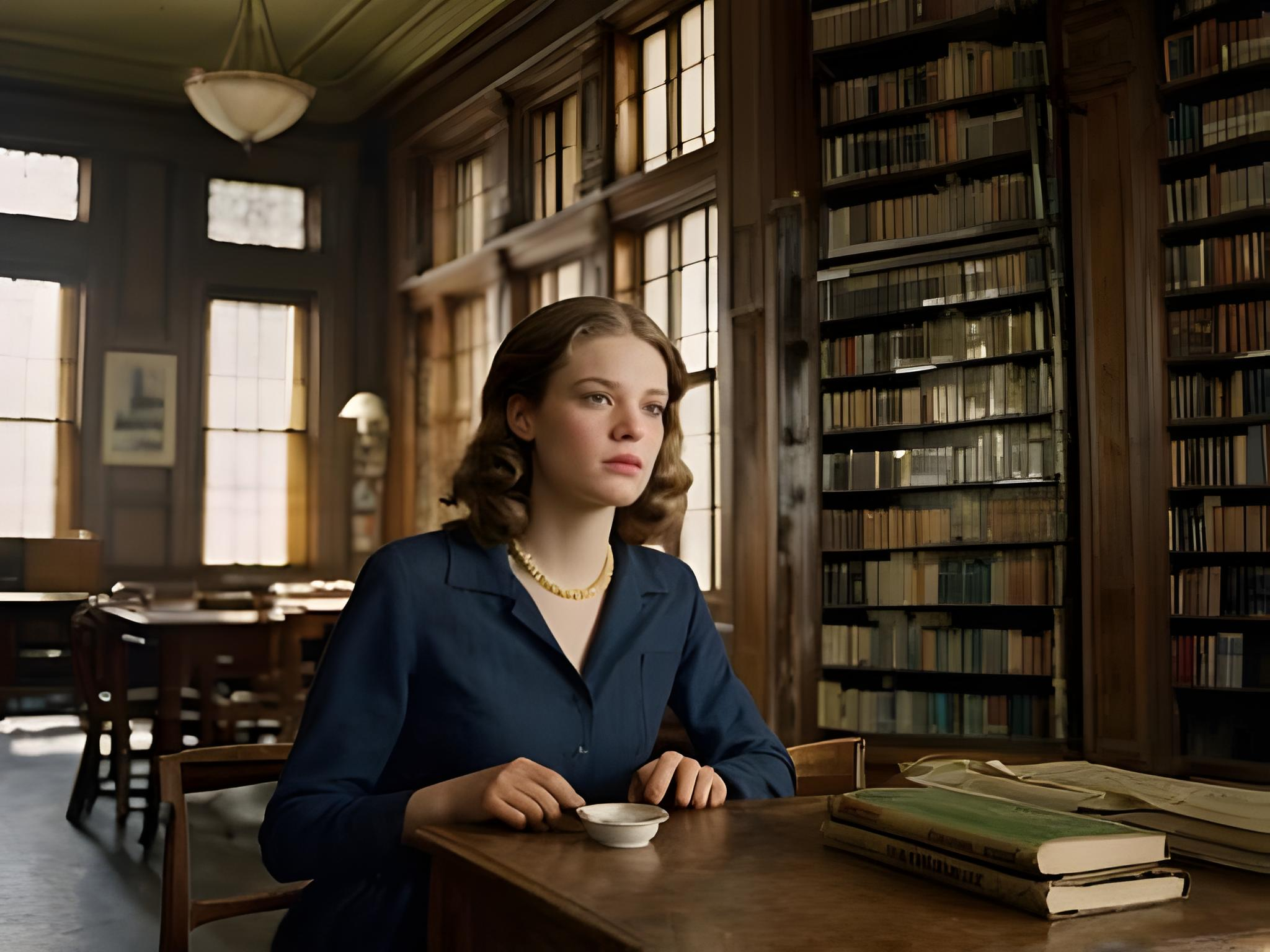
Lena was twenty-seven and her junior archivist job was going well.The silence in the library was a succor: dust motes twirling in sunbeams, wooden floors creaking beneath the feet, the turn of pages soft sweet whispers. Mrs. Kline, Lena's boss, was less happy about her uncooperativeness. “You're like we can't hear you,” she said, hitting her stride and leaving with the lingering tang of sharp-edged yet flowery perfume.Colleagues asked her to join them at lunch with kind smiles full of pity; but while they chattered on about TV shows and dating apps until the sound of sand in Lena's ears. She remembered joining them once,They laughed at her, not with her, and all she could do was - spill her soup and sit there helpless, face burning (unable to make out) a sound.

Her mother left long voicemails. It was even worse than in person, for there was no telling anymore what was real and what make-believe. “You used to sing all the time as a girl,” she’d sigh; silence on Lena’s part was a form of betrayal “Do you remember how everyone clapped when you got up for that solo in the school play? You light up the room.” Lena remembered all right--the heat of the spotlights, her stomach like a ball of fire, how she ran offstage while still holding onto that high note. Shame had curdled in her for weeks.
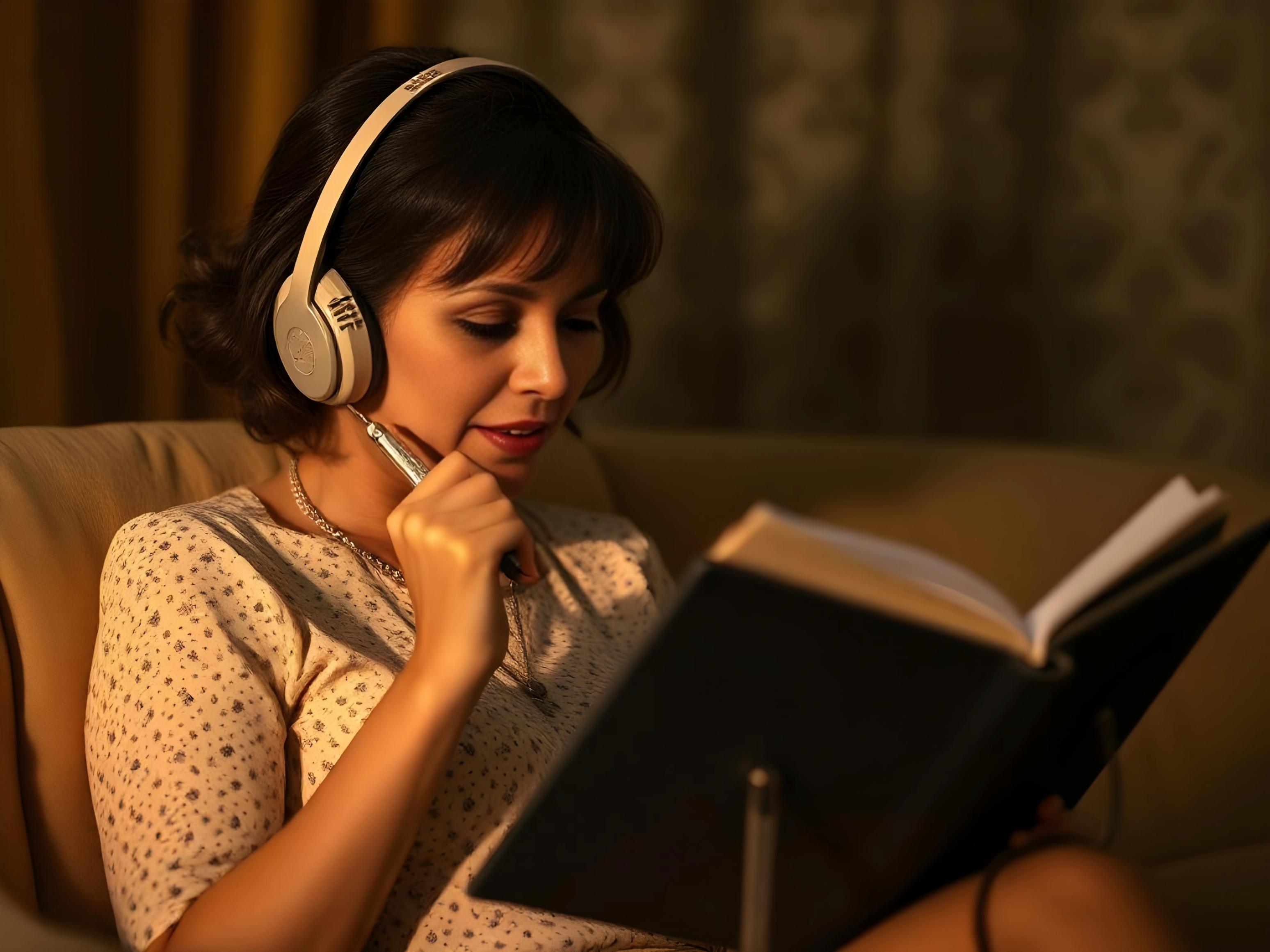
The grocery store incident haunted her most. A cashier—a boy with a lip ring and kind eyes—had asked, *“Big plans today?”* Simple. Normal. But Lena’s tongue had stuck to the roof of her mouth. She’d stared at the conveyor belt, at her trembling hands gripping a can of soup, until the *beep* of scanned items grew unbearable. She’d abandoned her cart and fled, her chest heaving in the frozen foods aisle.

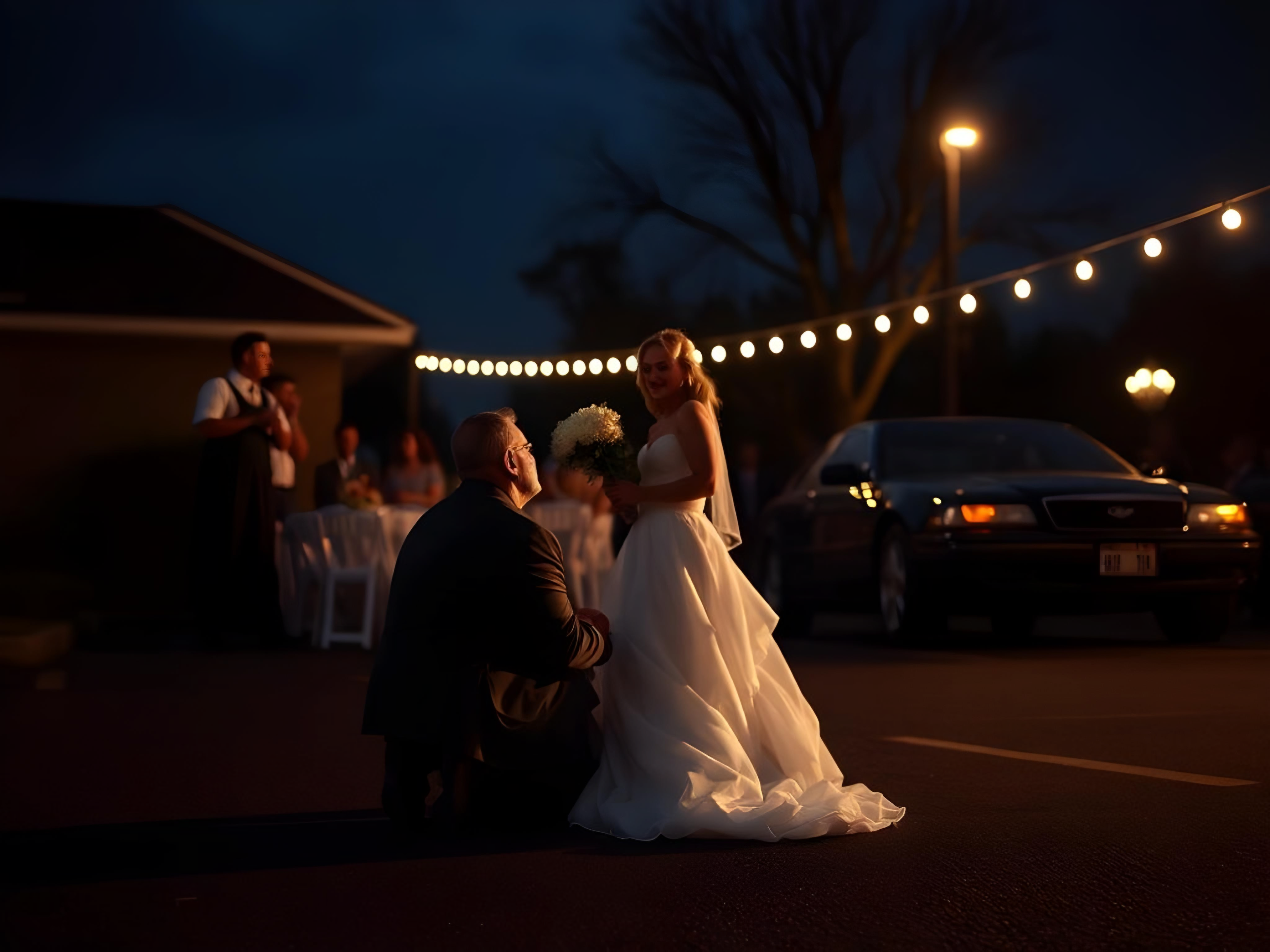
Then came the wedding. A childhood friend, Sarah, had insisted Lena attend—*“You’re family!”*—but the reception was a minefield of noise. Clinking glasses echoed like gunshots. A drunk uncle bellowed a toast. When the microphone landed in Lena’s hands, her vision blurred. The room tilted. She dropped the mic, the feedback screech chasing her into the parking lot. Kneeling on the asphalt, swallowing bitter vomit from its sour taste in her mouth, she became aware with some suddenness: *This is how I'll die, not with a bang but through slow snout.
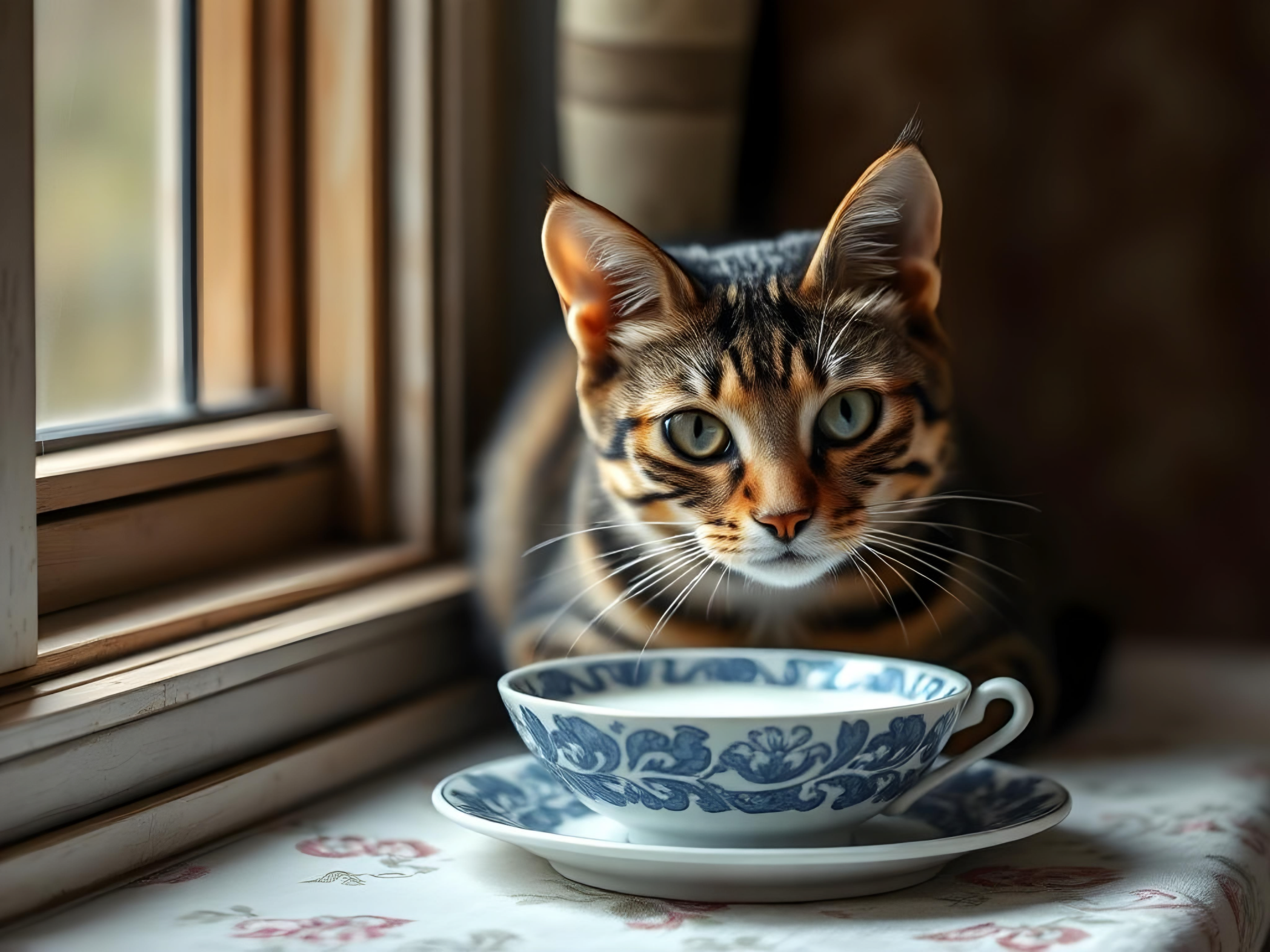
For weeks, she hibernated. Tea gone cold, blinds drawn, scrolling through photos of people living lives that felt like science fiction. Then, the cat appeared—a scarred tabby with eyes like tarnished coins. Lena began leaving milk in a chipped saucer, the same blue pattern as her grandmother’s teacups. The cat never approached, but it stayed, watching her through the window. One rainy afternoon, she sketched it: the slope of its spine, the defiant tilt of its head. *“You’re like me,”* she murmured. *“All edges and silence.”*
On a whim, she posted the drawing online. *“For the quiet ones,”* she typed, then hid her phone under a pillow. When she checked, a message glowed: *“You drew my soul. Thank you.”* A teenager in Mumbai sent a sketch of a stray dog curled in a doorway. *“His name’s Brio,”* she wrote. *“He’s my only friend.”* A man in Lisbon shared a song—a lone cello, aching and beautiful. Lena replied, her fingers clumsy but sure. *“I hear you,”* she wrote. And they heard her back.
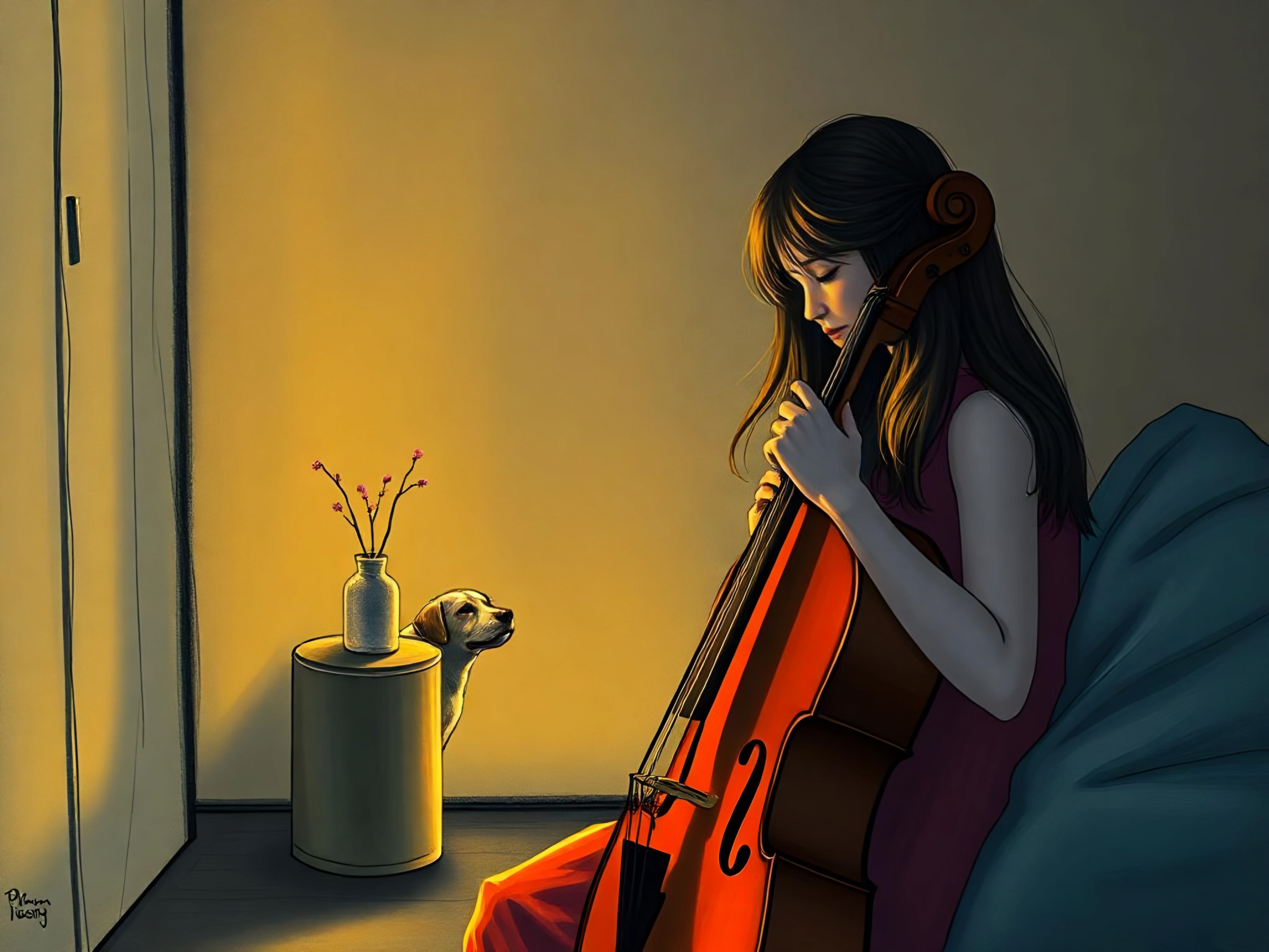
Months later, *The Unspoken Symphony* bloomed. A digital tapestry of poets, artists, and dreamers who spoke in pauses and pigments. A woman in Reykjavik submitted a photo series: empty libraries, fogged windows, hands cradling coffee mugs. *“Silence is my mother tongue,”* her caption read. Lena hosted virtual gatherings where people wrote or painted together, the only sound the scratch of pens. *“No performance,”* she reminded them. *“Just presence.”*

At 31, Lena stood in a bookstore, her palms damp on a podium. The crowd was small, but their eyes were oceans. *“They told me my quiet was a cage,”* she said, voice quivering. *“But it was a bridge. To you.”* Afterward, a girl with blue hair and chewed nails hugged her. *“Your book…”* She pressed a folded poem into Lena’s hand. *“It’s like you gave me a language I lost.”*

Now, Lena’s apartment thrums with life. Maestro—once feral, now sprawling on her desk—leaves hair on her keyboard. Postcards from Norway, Mumbai, Lisbon plaster the walls. Her mother’s latest note sits framed: *“You were always singing. I just forgot how to listen.”*

Lena still freezes at parties. Still forgets words mid-sentence. But she’s learned that belonging isn’t about bending yourself to fit. It’s about finding the others who speak your quiet.

Her symphony isn’t loud. But if you lean in close, you’ll feel it—in the rustle of pages, the hum of a cat’s purr, the space between heartbeats where everything unsaid blooms.
Note to the reader:
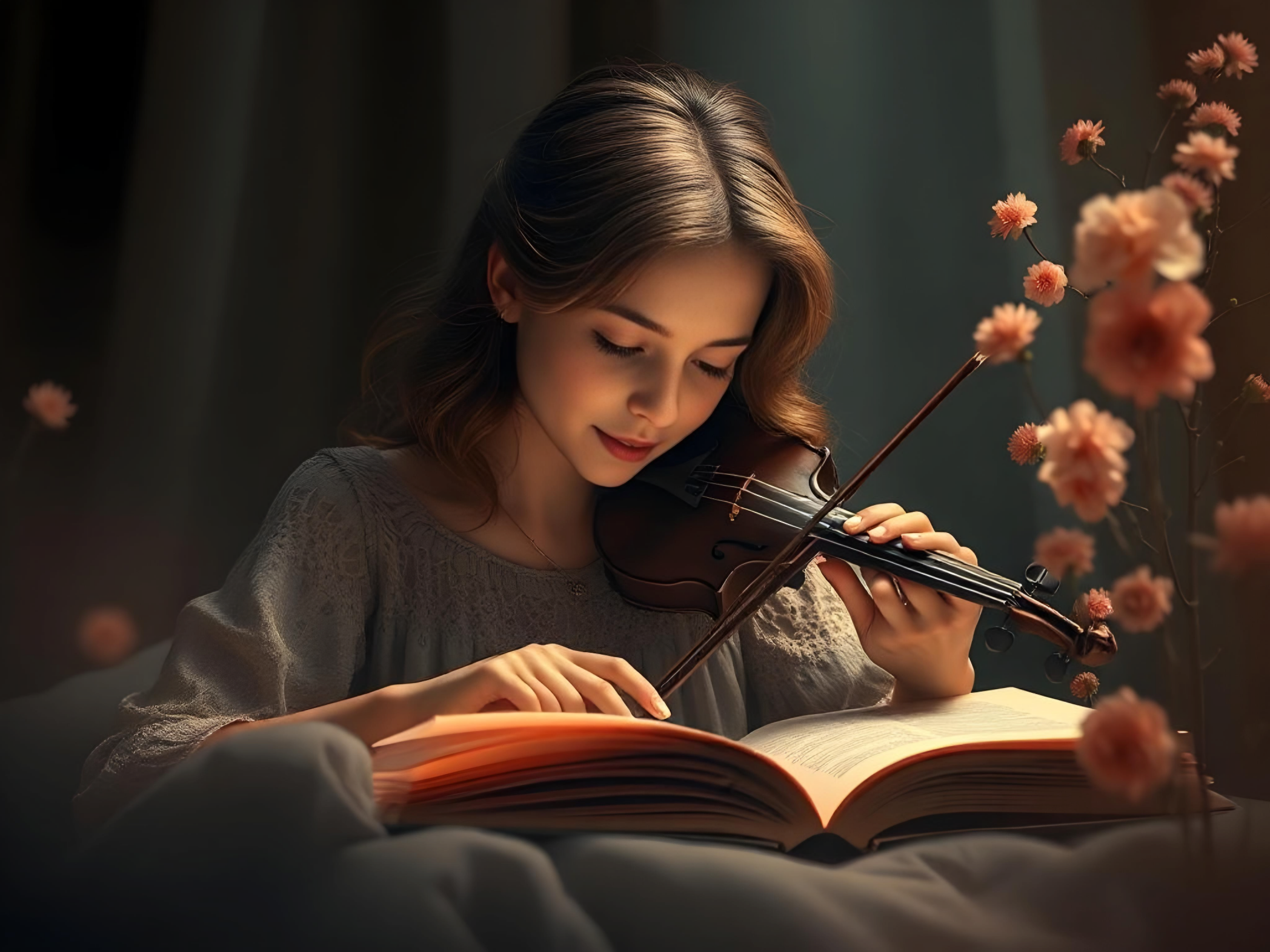
To the quiet ones: Your silence is not a void. It’s a sanctuary. A compass. A language that needs no volume to be felt. Keep speaking it.
About the Creator
Mir Shafiul Hasan
I write raw, heartfelt stories about my journey—triumphs, stumbles, and quiet moments—to inspire connection and courage. Blending vulnerability with empowerment, my words remind readers: “You are not alone, and your story matters”.
Enjoyed the story? Support the Creator.
Subscribe for free to receive all their stories in your feed.
Comments
There are no comments for this story
Be the first to respond and start the conversation.