
Are You Too Dependent on Others?
10 Signs to Watch For

Introduction
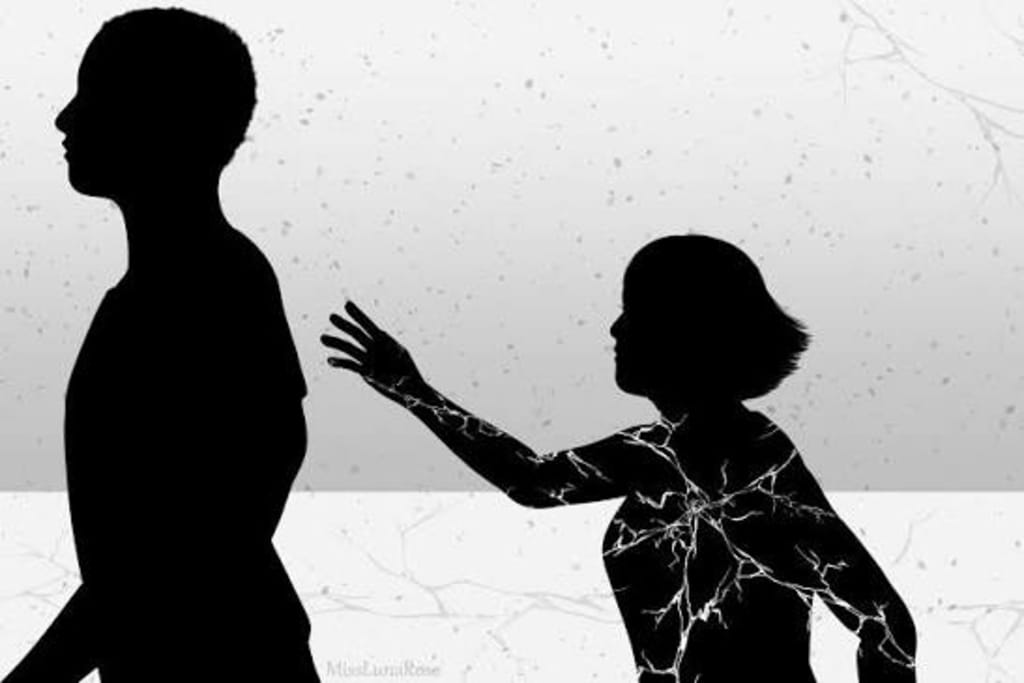
Human connections are essential for emotional well-being. However, relying too much on others can create challenges that affect confidence, decision-making, and personal growth. While support from family and friends is valuable, excessive dependence can prevent you from developing independence and resilience.
Moreover, dependency often develops gradually. As a result, many people fail to recognize it until it begins affecting their relationships and happiness. If you frequently look to others for validation, guidance, or emotional stability, it may be time to evaluate your behavior.
Here are ten signs that may indicate you are becoming too dependent on others.
1. You Struggle to Make Decisions Alone
Making decisions can feel overwhelming when you constantly seek approval from others. Even simple choices may seem difficult without someone else's opinion.
Furthermore, you may fear making mistakes and prefer others to decide for you. Over time, this habit weakens your confidence and limits your ability to trust your judgment.
Independent thinking is essential for personal growth. Therefore, learning to make choices on your own can strengthen your self-esteem.
2. You Constantly Seek Validation
Everyone appreciates encouragement. However, constantly needing reassurance can signal emotional dependence.
You may feel good only when others praise your actions, appearance, or achievements. Consequently, criticism can feel devastating, even when it is constructive.
People who rely heavily on external validation often struggle with self-worth. Instead, building internal confidence creates a stronger foundation for long-term happiness.
3. You Fear Being Alone
Enjoying company is natural. Nevertheless, feeling uncomfortable whenever you are alone may indicate dependency.
Some people constantly seek social interaction because solitude makes them anxious. As a result, they may jump from one relationship to another without taking time for self-reflection.
Being comfortable alone allows you to understand yourself better. Additionally, it helps you develop emotional strength and independence.
4. You Let Others Control Your Choices
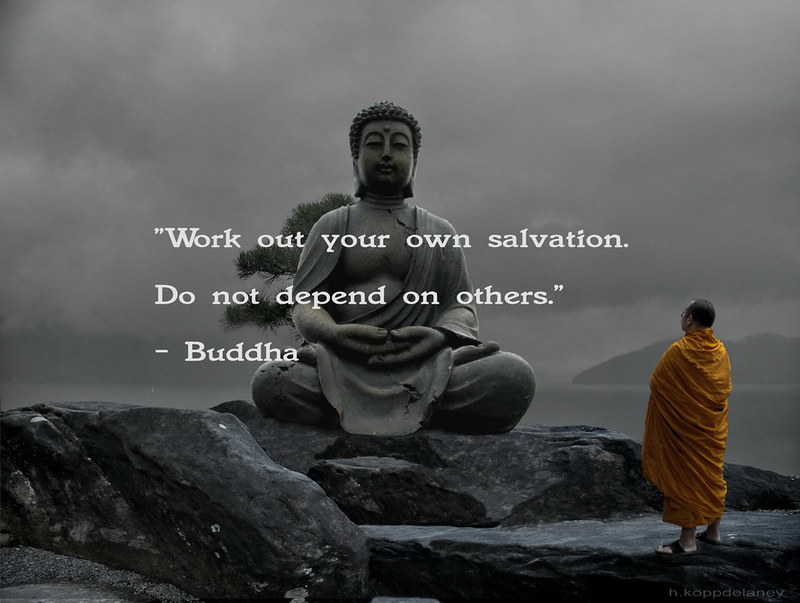
Dependent individuals often allow others to influence important decisions. This can include career plans, relationships, finances, or personal goals.
Instead of following your own desires, you may prioritize what others want. Consequently, you may feel frustrated or unfulfilled later.
Healthy relationships involve advice and support. However, your life choices should ultimately reflect your own values and aspirations.
5. You Avoid Taking Responsibility
Taking responsibility can feel intimidating. Therefore, dependent individuals often rely on others to solve problems or handle difficult situations.
When challenges arise, you may immediately seek someone to rescue you. As a result, you miss opportunities to develop problem-solving skills.
Personal responsibility builds confidence. Moreover, it teaches valuable lessons that contribute to long-term success.
6. You Need Constant Emotional Support
Emotional support is important during difficult times. However, depending on someone to regulate your emotions every day can create unhealthy patterns.
You may feel unable to cope with stress, sadness, or disappointment without immediate reassurance. Consequently, your emotional stability becomes tied to another person's presence.
Developing healthy coping mechanisms helps create emotional balance. In addition, it reduces pressure on your relationships.
7. You Have Trouble Setting Boundaries
People who depend heavily on others often struggle to establish personal boundaries. They fear rejection or conflict if they say no.
As a result, they may agree to things they dislike simply to maintain approval. Eventually, this behavior can lead to resentment and emotional exhaustion.
Strong boundaries protect your well-being. Therefore, learning to communicate your needs is essential for healthy relationships.
8. You Feel Lost Without Guidance
Seeking advice can be helpful. However, constantly waiting for someone to tell you what to do may indicate excessive dependence.
You might hesitate to take action without consulting others first. Consequently, opportunities may pass while you wait for reassurance.
Trusting your instincts allows you to become more confident. Furthermore, it encourages personal growth and self-reliance.
9. You Sacrifice Your Identity for Others
Healthy relationships should support individuality. Nevertheless, dependent individuals often change their preferences, opinions, or goals to please others.
Over time, they may lose touch with who they truly are. As a result, they begin living according to other people's expectations rather than their own values.
Maintaining your identity is crucial for self-respect. Therefore, it is important to honor your beliefs and personal interests.
10. Your Happiness Depends on Someone Else
One of the strongest signs of dependency is relying on others for happiness.
You may feel joyful only when someone gives attention, approval, or affection. Conversely, their absence can leave you feeling empty or anxious.
True happiness comes from within. While relationships contribute to a fulfilling life, they should not become the sole source of emotional satisfaction.
Why Excessive Dependence Can Be Harmful
Excessive dependence often creates imbalance in relationships. Eventually, one person may feel overwhelmed by constant emotional demands.
Moreover, dependency can reduce confidence and limit personal development. Instead of learning new skills, dependent individuals may rely on others to navigate life challenges.
This pattern can also increase anxiety. Since emotional stability depends on another person, any change in the relationship may trigger fear and insecurity.
Therefore, developing independence is essential for maintaining healthy relationships and emotional well-being.
How to Become More Independent
Building independence takes time and consistent effort. However, small changes can create significant results.
Start by making minor decisions without seeking advice. Additionally, spend time alone to become comfortable with your own company.
Set personal goals and work toward them independently. Furthermore, practice positive self-talk to strengthen self-confidence.
Learning new skills can also increase self-reliance. As a result, you become more capable of handling challenges without excessive support.
Most importantly, recognize your strengths and trust your abilities. The more you rely on yourself, the stronger your confidence becomes.
Conclusion
Depending on others occasionally is a normal part of life. However, excessive dependence can limit personal growth and create unhealthy relationship dynamics.
If you recognize several of these signs, consider taking steps toward greater independence. Although change may feel uncomfortable at first, it leads to stronger self-confidence and healthier connections.
Ultimately, the goal is not to avoid support from others. Instead, it is to develop the ability to stand on your own while maintaining meaningful relationships. When you balance independence with connection, you create a more fulfilling and empowered life.
About the Creator
Dark Insight
Passionate writer focused on psychology, dark psychology, relationships, and personal development. I uncover the hidden patterns behind human thoughts, emotions, and actions.
Enjoyed the story? Support the Creator.
Subscribe for free to receive all their stories in your feed.
Comments
There are no comments for this story
Be the first to respond and start the conversation.