health
Keeping your mind and body in check - popular topics in health and medicine to maintain a long and healthy life.
Nourishing Body and Mind: Exploring the Multifaceted Benefits of Healthy Eating
Introduction: The adage "you are what you eat" holds significant truth when it comes to the impact of our dietary choices on overall health and well-being. A balanced and nutritious diet plays a vital role in maintaining optimal physical and mental functioning. This essay aims to delve into the numerous advantages of eating healthy, highlighting how wholesome food choices can promote vitality, prevent chronic diseases, boost cognitive function, and foster a harmonious relationship with our bodies.
By Kerim Çolak3 years ago in Longevity
The Healing Touch: Exploring the Profound Benefits of Massage Therapy
Introduction: Massage therapy, an ancient practice with roots in various cultures, has emerged as a popular and widely recognized form of holistic healing. Beyond the luxurious indulgence it often portrays, massage offers a myriad of benefits for both the body and mind. This essay delves into the profound advantages of massage therapy, shedding light on how this therapeutic touch can promote relaxation, alleviate pain, improve physical well-being, and enhance mental health.
By Kerim Çolak3 years ago in Longevity
The Hamam Experience: Exploring the Immense Benefits of Traditional Turkish Bath
Introduction: In the bustling world we live in, finding moments of relaxation and rejuvenation is essential for maintaining a healthy body and mind. Amidst various wellness practices, the Hamam, or traditional Turkish bath, has emerged as a timeless oasis of tranquility and restoration. Steeped in rich cultural history, the Hamam offers a unique and holistic bathing experience that not only cleanses the body but also nourishes the spirit. This essay delves into the multitude of benefits that can be derived from the timeless ritual of visiting a Hamam, revealing its profound impact on physical health, mental well-being, and cultural connection.
By Kerim Çolak3 years ago in Longevity
The Sun's Kiss: Exploring the Advantages and Disadvantages of Tanning
Introduction: The pursuit of a sun-kissed glow has long been associated with notions of beauty and vitality. Whether achieved through sun exposure or artificial means, tanning holds a certain allure for many individuals. However, it is crucial to understand both the advantages and disadvantages that come with acquiring a tan. This essay aims to shed light on the various aspects of tanning, delving into its potential benefits as well as the risks associated with excessive or unprotected exposure to ultraviolet (UV) radiation.
By Kerim Çolak3 years ago in Longevity
The Invigorating Chill: Exploring the Benefits of Cold Showers
Introduction: In the pursuit of optimal well-being, individuals often seek out various practices to improve their physical and mental health. While hot showers have long been favored for their soothing properties, a lesser-known alternative has emerged as a powerful tool for invigoration and rejuvenation - the cold shower. Although initially met with hesitation due to its perceived discomfort, cold showers have garnered attention for their numerous benefits to both body and mind. This essay delves into the advantages of taking cold showers, shedding light on why this seemingly chilling experience can be an energizing and transformative addition to one's daily routine.
By Kerim Çolak3 years ago in Longevity
The Joyful Stride: Exploring the Profound Benefits of Running
Introduction: Running, a timeless activity that humans have engaged in for centuries, goes far beyond a mere physical exercise. It is a powerful gateway to holistic well-being, offering a multitude of benefits for the mind, body, and soul. Whether one chooses to sprint on the track, jog through serene nature trails, or pound the pavement in a bustling city, running has the remarkable ability to transform lives. In this essay, we will delve into the numerous benefits that running brings, ranging from improved physical fitness to enhanced mental clarity and emotional well-being.
By Kerim Çolak3 years ago in Longevity
Blood Pressure
Blood pressure is a critical aspect of our cardiovascular health and plays a significant role in maintaining overall well-being. Here's a detailed note on blood pressure, including its definition, measurement, factors affecting it, and ways to manage and maintain healthy levels: 1. Understanding Blood Pressure: Blood pressure refers to the force exerted by blood against the walls of the arteries as the heart pumps it throughout the body. It is typically measured in millimeters of mercury (mmHg) and is represented by two numbers: systolic pressure (the top number) and diastolic pressure (the bottom number). Systolic pressure represents the force when the heart contracts, while diastolic pressure represents the force when the heart is at rest between beats. 2. Normal Blood Pressure Range: The ideal blood pressure range for adults is typically around 120/80 mmHg. However, it's important to note that blood pressure can vary depending on factors such as age, gender, and overall health. 3. Factors Affecting Blood Pressure: Several factors can influence blood pressure, including: - Age: Blood pressure tends to increase with age as the arteries become less flexible. - Lifestyle choices: Unhealthy lifestyle habits such as a poor diet, lack of exercise, excessive alcohol consumption, and smoking can contribute to high blood pressure. - Family history: Genetics can play a role in determining blood pressure levels. If you have a family history of hypertension, you may be at a higher risk. - Obesity: Being overweight or obese increases the risk of developing high blood pressure. - Stress: Chronic stress and an overly stressful lifestyle can contribute to elevated blood pressure levels. 4. Consequences of High Blood Pressure: Consistently high blood pressure, also known as hypertension, can have serious implications for your health. It puts extra strain on the arteries, heart, and other organs, increasing the risk of: - Heart disease and heart attacks - Stroke - Kidney disease - Vision loss - Peripheral artery disease - Cognitive decline 5. Managing and Maintaining Healthy Blood Pressure: To manage and maintain healthy blood pressure levels, consider the following steps: - Adopt a balanced diet: Focus on consuming a diet rich in fruits, vegetables, whole grains, lean proteins, and low-fat dairy products. Limit sodium (salt) intake and reduce processed and high-sodium foods. - Engage in regular exercise: Aim for at least 150 minutes of moderate-intensity aerobic exercise or 75 minutes of vigorous-intensity exercise per week. Regular physical activity helps lower blood pressure and improve overall cardiovascular health. - Maintain a healthy weight: If you are overweight or obese, losing even a small amount of weight can have a positive impact on blood pressure. - Limit alcohol consumption: Excessive alcohol consumption can raise blood pressure. Limit your intake to moderate levels (up to one drink per day for women and up to two drinks per day for men). - Quit smoking: Smoking and tobacco use significantly contribute to high blood pressure and cardiovascular disease. Seek support and resources to quit smoking. - Reduce stress: Practice stress management techniques such as deep breathing, meditation, yoga, or engaging in activities you enjoy. Find healthy outlets to cope with stress and prioritize self-care. - Monitor blood pressure: Regularly check your blood pressure at home or through medical appointments. If you have hypertension, follow your healthcare provider's recommendations for monitoring and managing your blood pressure. 6. Medical Intervention: In some cases, lifestyle changes alone may not be sufficient to control blood pressure. In such instances, healthcare professionals may prescribe medications to help lower blood pressure. It's essential to follow their guidance and take medications as prescribed. 7. Regular Health Check-ups: Maintaining regular visits to your healthcare provider for check-ups and screenings is crucial for monitoring your blood pressure and overall cardiovascular health. They can provide personalized recommendations based on your specific health status. Remember, it's important to consult a healthcare professional for personalized advice and guidance, especially if you have existing medical conditions or concerns about your blood pressure. They can provide you with the most appropriate recommendations and interventions based on your individual circumstances.
By tolha adetunji3 years ago in Longevity
Healthy Kidney
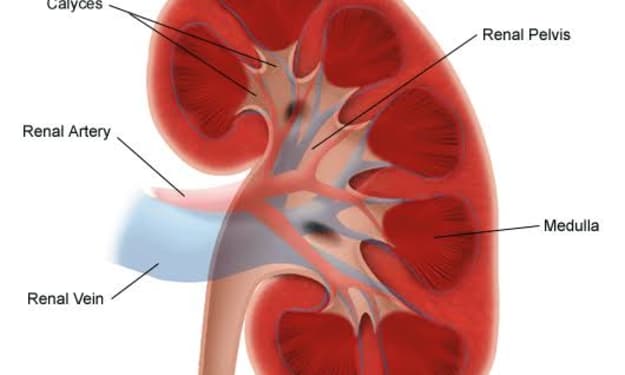
Introduction: The kidneys, a pair of small, bean-shaped organs located on either side of the spine, are truly remarkable in their functionality and importance to overall health. These vital organs perform numerous essential tasks, including filtering waste products, regulating electrolyte balance, controlling blood pressure, and maintaining fluid balance. In this note, we will delve deeper into the intricate workings of the kidneys, their importance, and how to maintain their health for optimal well-being. Filtration and Waste Removal: The primary function of the kidneys is to filter waste products, excess water, and toxins from the bloodstream. Every day, they process around 180 liters of blood, extracting waste substances and sending them to the bladder for elimination as urine. The kidneys use millions of tiny filtering units called nephrons to perform this crucial filtration process. Electrolyte Balance and Fluid Regulation: Alongside waste removal, the kidneys play a pivotal role in maintaining electrolyte balance and regulating fluid levels in the body. Electrolytes, such as sodium, potassium, calcium, and phosphate, are essential for nerve function, muscle contraction, and maintaining cellular integrity. The kidneys finely tune the levels of these electrolytes, ensuring they remain within a narrow range for optimal physiological function. Blood Pressure Control: The kidneys contribute significantly to blood pressure regulation. They help maintain blood pressure by controlling the volume of blood circulating in the body and adjusting the constriction or dilation of blood vessels. When blood pressure drops, the kidneys activate a cascade of hormonal responses to retain fluid and increase blood volume, thereby raising blood pressure. Conversely, if blood pressure is too high, the kidneys facilitate the elimination of excess fluid, thus reducing blood volume and lowering blood pressure. Acid-Base Balance: The kidneys are key players in maintaining the body's acid-base balance, also known as pH balance. They regulate the levels of acids and bases in the blood, ensuring a stable pH that is essential for proper cellular function, enzyme activity, and overall metabolic processes. By excreting hydrogen ions and reabsorbing bicarbonate ions, the kidneys help maintain this delicate balance. Red Blood Cell Production: Erythropoietin, a hormone produced by the kidneys, stimulates the production of red blood cells in the bone marrow. Red blood cells are responsible for transporting oxygen from the lungs to tissues throughout the body. Adequate levels of erythropoietin are vital for ensuring sufficient red blood cell production, preventing anemia, and maintaining optimal oxygenation. Vitamin D Activation: The kidneys play a critical role in activating vitamin D, a hormone essential for bone health and calcium absorption. They convert inactive vitamin D into its active form, which enables it to promote calcium absorption from the intestines. This process ensures adequate calcium levels for bone mineralization and helps prevent conditions like osteoporosis. Maintaining Kidney Health: Given the kidneys' vital functions, it is crucial to take proactive steps to maintain their health: a) Hydration: Staying adequately hydrated is essential for kidney health. It promotes optimal blood flow, aids in the elimination of waste products, and prevents the formation of kidney stones. Aim to drink enough water throughout the day, and adjust your intake based on factors like climate, physical activity, and overall health. b) Balanced Diet: A healthy diet plays a significant role in kidney health. Include a variety of fruits, vegetables, whole grains, and lean proteins while minimizing the consumption of sodium, saturated fats, processed foods, and added sugars. This balanced approach helps maintain proper electrolyte balance, controls blood pressure, and reduces the risk of kidney disease. c) Regular Physical Activity: Engaging in regular physical activity not only helps maintain a healthy weight but also promotes cardiovascular health and optimal blood flow to the kidneys. Aim for at least 150 minutes of moderate-intensity exercise or 75 minutes of vigorous exercise per week, along with strength training exercises. d) Avoid Smoking and Limit Alcohol Consumption: Smoking damages blood vessels and impairs kidney function, while excessive alcohol consumption can lead to kidney disease and hypertension. Quitting smoking and moderating alcohol intake can significantly reduce the risk of kidney problems. e) Manage Chronic Conditions: Chronic conditions like diabetes and hypertension can have a detrimental impact on kidney health. It is essential to manage these conditions effectively through regular check-ups, medication adherence, blood sugar control, and blood pressure management. Follow your healthcare provider's recommendations and seek their guidance for optimal kidney care. f) Medication and Supplement Awareness: Some medications, including certain painkillers and antibiotics, can cause kidney damage if used excessively or improperly. Additionally, certain herbal supplements can be harmful to the kidneys. Always follow the prescribed dosage and consult your healthcare provider before taking any medications or supplements. Conclusion: The kidneys are truly remarkable organs that perform a myriad of vital functions essential for overall health and well-being. From waste removal and fluid regulation to blood pressure control, acid-base balance, and hormone production, their roles are irreplaceable. By understanding the importance of kidney health and adopting healthy lifestyle choices, we can safeguard these incredible organs and enjoy a life of optimal well-being. Remember, your kidneys deserve the utmost care and attention for a healthier and happier futureSartriti
By tolha adetunji3 years ago in Longevity
The Path to a Healthy Lifestyle: A Comprehensive Guide
Introduction: In today's fast-paced world, maintaining a healthy lifestyle has become more important than ever. Living a healthy life not only boosts our physical well-being but also enhances our mental and emotional states. By adopting a few simple yet effective strategies, we can embark on a transformative journey towards overall wellness. This article presents a comprehensive guide to living a healthy life, encompassing key aspects such as nutrition, physical activity, sleep, stress management, and social connections.
By Chidubem Ugwu3 years ago in Longevity
Walk Gradually So You Don't Outing
Walk Gradually So You Don't Outing The additional time you give yourself to finish an objective, the more probable you'll accomplish it. With any objective under 1-2 years, you're likely misjudging the sum you can achieve. By attempted new objectives with purposeful gradualness, you increment the opportunity you can make enduring progress.
By News Bucks3 years ago in Longevity
Study: Night Shifts Linked Prostate Cancer In Men
Night shifts are common for certain occupations like miners, phone agents, doctors, etc. Night shift work may lead to addiction, as workers may take drugs or alcohol to cope with the stress. If you know someone struggling with addiction, seek professional help from the best addiction treatment center in Karachi that provides support and guidance to overcome the challenging situation. Certain industrial enterprises worldwide usually have a non-stop manufacturing routine, which requires workers to work shifts both in the daytime and at night. It is estimated that in the modern industrial sector of the United States of America, about 3.6 million male workers (or about 14 percent of the country's working population) have to work shifts, meaning getting involved in regular work at night. Plenty of dangers and risks are linked to using this kind of working routine and regularly working night shifts. In particular, according to the findings of a scientific group from Harvard Medical School and the Department of Medicine, Brigham and Women's Hospital, those workers who work at night are exposed to higher risks of diabetes and higher chances of obesity. Explore the hidden dangers of LSD addiction and how it can impact individuals. Another study published this summer in the British Medical Journal has shown that working shifts can increase the risks of strokes and heart attacks by almost 40%.
By Willing Ways3 years ago in Longevity